Small Science, Big Dreams
Turkey's Nanotech Revolution Unfolds
How Turkish universities are harnessing the invisible to build a visible future
Article Navigation
Introduction: The Power of the Invisible
Imagine a cancer drug that navigates directly to diseased cells, solar panels thinner than paper, or water filters that remove contaminants atom by atom. This isn't science fiction—it's the daily work inside Turkey's nanotechnology hubs, where scientists manipulate matter at scales 80,000 times smaller than a human hair.
Positioned uniquely between Europe and Asia, Turkey has invested strategically in nanoscience, transforming its universities into global players. With over 185,000 international students drawn by affordable excellence and state-funded mega-labs, the country is rewriting the rules of materials, medicine, and energy 1 6 .
Nanoscale Perspective
- 1 nanometer = 1 billionth of a meter
- Human hair: ~80,000 nm wide
- DNA strand: ~2.5 nm diameter
- Carbon nanotube: ~1 nm diameter
Turkey's Nanotech Powerhouses: Where Innovation Lives

UNAM - Bilkent University
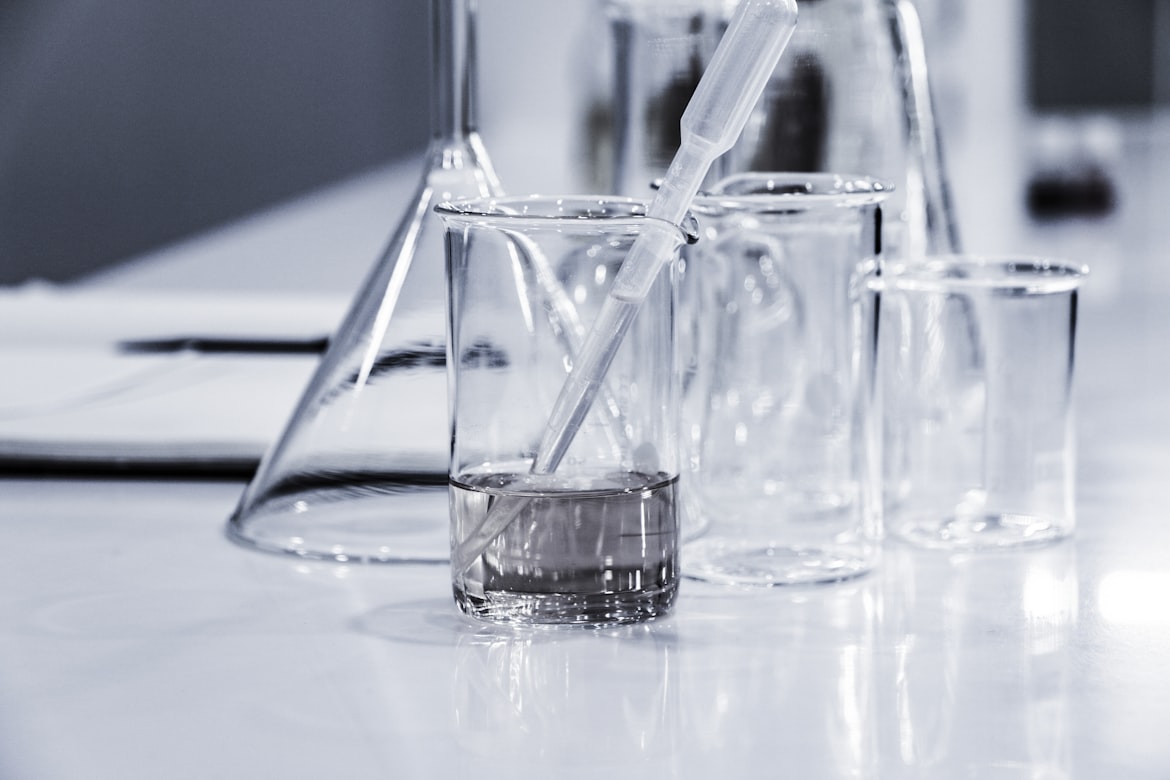
Turkey's crown jewel in nanotechnology, UNAM resembles a sci-fi film set. This ₺1 billion facility houses 10,000 m² of ultra-clean labs buzzing with 432 R&D projects.
SUNUM - Sabancı University
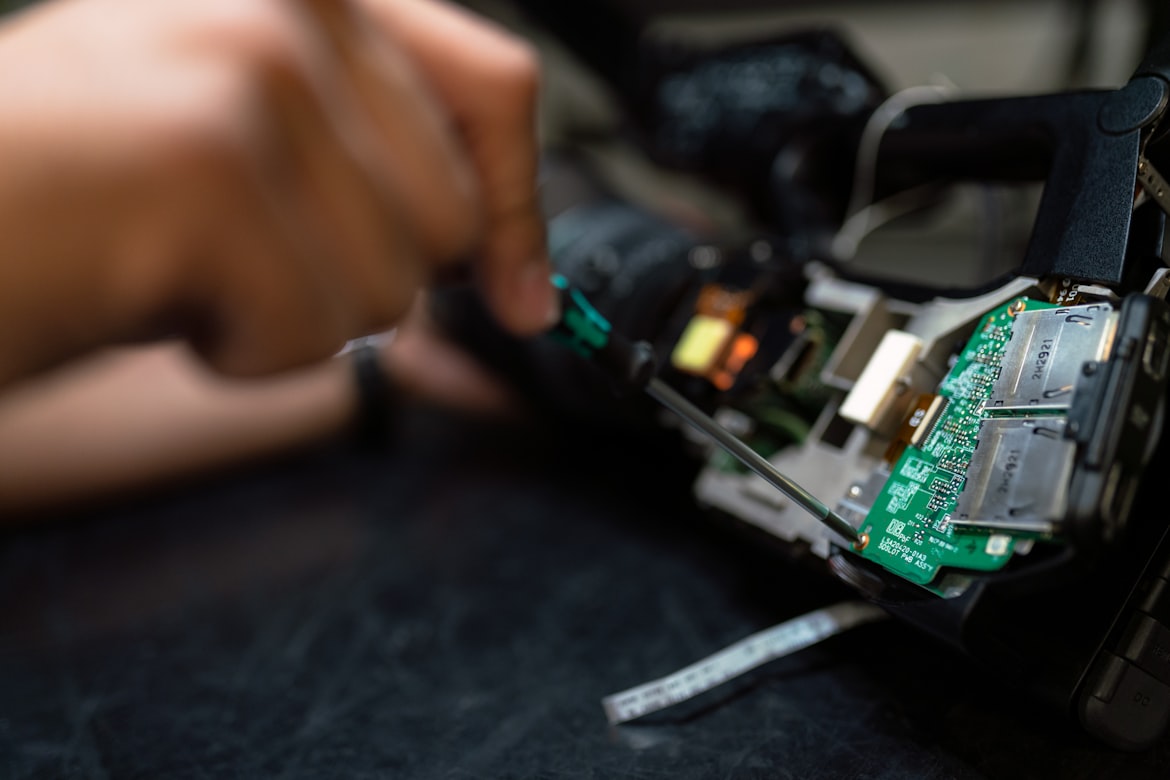
Operating on a "no departments, no walls" philosophy, SUNUM thrives on industry partnerships as one of Turkey's four National Research Infrastructures.
- MXene-based batteries
- Platinum-free fuel cells
- CO2-philic nanofilters
METU & ITU
Ranked #2 and #3 nationally in nanotech output, these public giants excel in materials engineering with 1,720,000 citations from 79,000 academic papers.
| University | Asia Rank | Global Rank | Specialization |
|---|---|---|---|
| Bilkent University | #171 | #431 | Quantum dots, Nano-optics |
| METU | #179 | #455 | Energy materials |
| ITU | #180 | #457 | Nanoengineering |
| Hacettepe University | #217 | #560 | Biomedical nano-applications |
| Ege University | #279 | #696 | Environmental nanotechnology |
Source: 3
Academic Pathways: From Classroom to Cleanroom
Turkey offers 6 English-taught master's programs and a dedicated PhD portal in nanoscience. Programs blend theory with hands-on fabrication:
Core Curriculum Highlights:
Program Comparison
Affordability is key: Annual tuition starts at $3,000 (Ostim Technical University) vs. $21,500 at private leaders like Sabancı. Scholarships cover 60+ options, including living costs 6 .
Experiment Spotlight: Battling Pandemics with Nanosensors
UNAM's COVID-19 Diagnostic Chip
Objective
Step-by-Step Methodology:
1. Functionalization
Attach SARS-CoV-2 antibody probes to gold nanoparticles.
2. Sample Exposure
Apply nasal swab fluid to a graphene-coated chip.
3. Binding Event
If viral proteins exist, they bind to antibodies, shifting electrons.
4. Signal Amplification
Gold nanoparticles enhance the electrical "shift".
5. AI Analysis
Machine learning algorithms convert signals into positive/negative results.
Results
| Parameter | Nanosensor | PCR Test | Rapid Antigen |
|---|---|---|---|
| Detection time | 4 minutes | 24+ hours | 15 minutes |
| Accuracy | 98.7% | >99% | 72% |
| Cost per test | $0.80 | $25 | $5 |
| Equipment needed | Portable reader | Lab-based | None |
Source: 2
The Nanotechnologist's Toolkit
| Tool/Reagent | Function | Example Use |
|---|---|---|
| Atomic Force Microscope | Maps surfaces at atomic resolution | Visualizing cancer cell membranes |
| Electrospinner | Creates nanofibers from polymers | SUNUM's fuel cell electrodes |
| MXene Nanosheets | Ultra-conductive 2D materials | High-capacity batteries |
| Quantum Dots | Nano-sized semiconductors that emit light | TV screens, tumor imaging tags |
| CRISPR-Cas9 Nanocarriers | Gene-editing delivery vehicles | Correcting genetic disorders |
Careers: Where Nanograds Shape Tomorrow
Career Opportunities
Turkey's tech boom fuels demand for nanotechnology professionals:
Career Growth Projections
The nanotechnology sector in Turkey is projected to grow by 22% annually through 2030, creating thousands of high-skilled jobs 6 .
Future Horizons: What's Next for Turkish Nanotech?
Upcoming Events
International Conference on Nanoscience (IC2N) hits Istanbul in July 2025, featuring Scopus-indexed research on nano-robotics 8 .
Research Roadmap
UNAM's 2025 roadmap targets nanoscale water harvesting—pulling H₂O from air in arid regions .
Workforce Development
SUNUM's TEAM-NANO project aims to train 500 experts in flexible electronics by 2026 9 .
Conclusion: A Giant in the Making
From Bilkent's glittering cleanrooms to SUNUM's industry-collaborative hubs, Turkey proves that size doesn't define impact. As one UNAM researcher muses, "We work where a meter is a billion nanometers—but our ambitions are larger still." For students worldwide, this blend of affordability, innovation, and cross-continental vision offers a front-row seat to science's next revolution—one atom at a time.
"The next big thing will be very, very small."