Research Articles
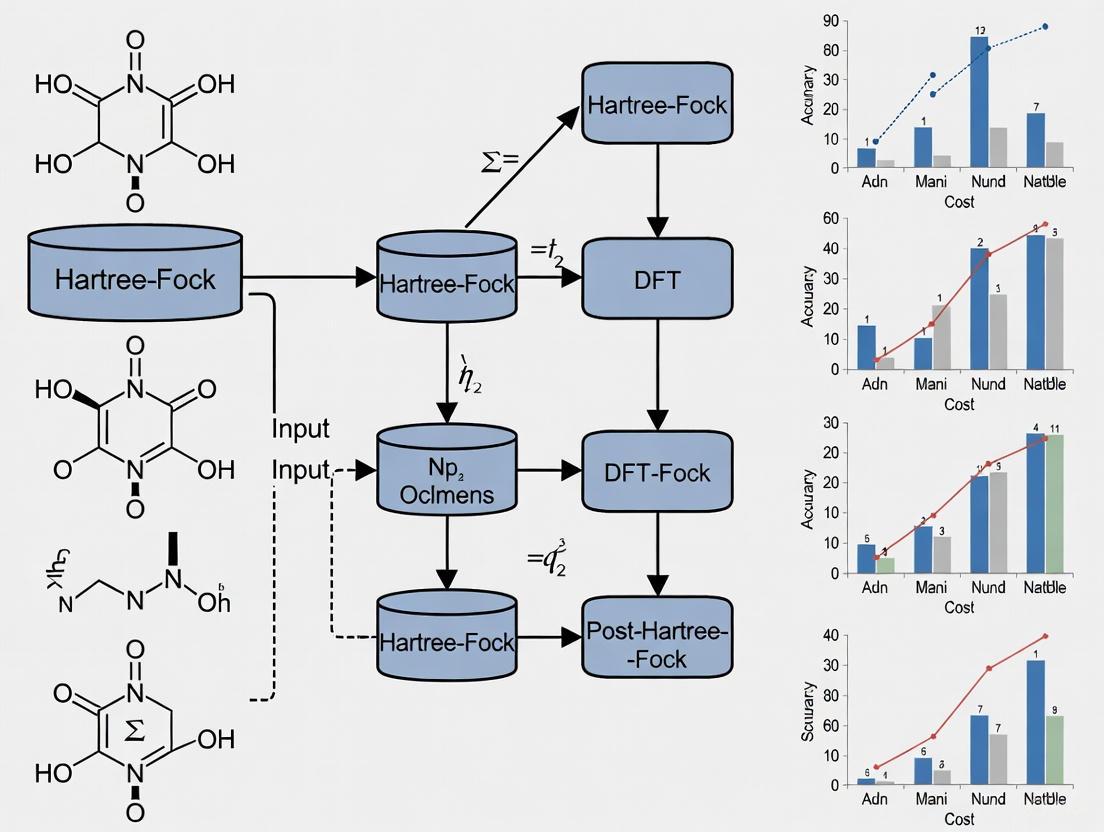
Computational NMR Methods: A Quantum Chemical Comparison for Drug Discovery and Biomolecular Research
This article provides a comprehensive comparison of quantum chemical methods for calculating NMR parameters, tailored for researchers and professionals in drug development.
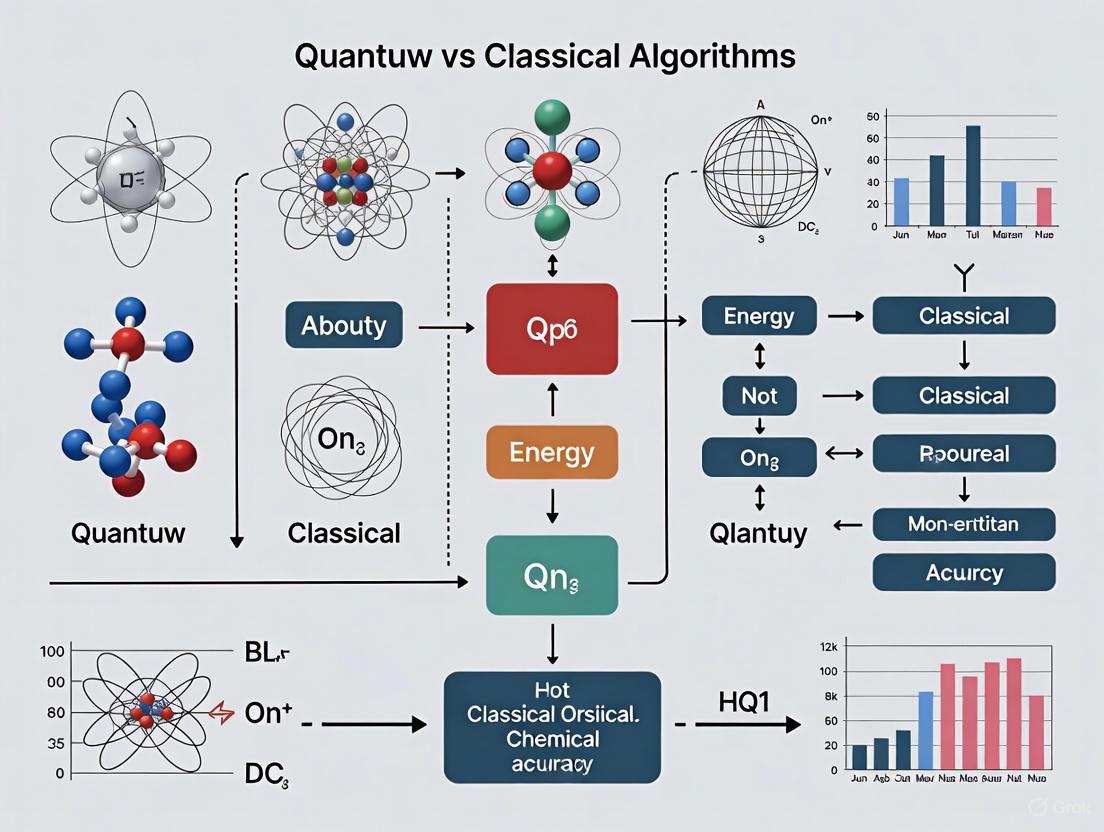
Quantum vs Classical Algorithms: The Race for Chemical Accuracy in Drug Discovery and Materials Science
This article explores the rapidly evolving competition between quantum and classical computational algorithms in achieving chemical accuracy—the precision required for predictive molecular modeling in drug discovery and materials science.
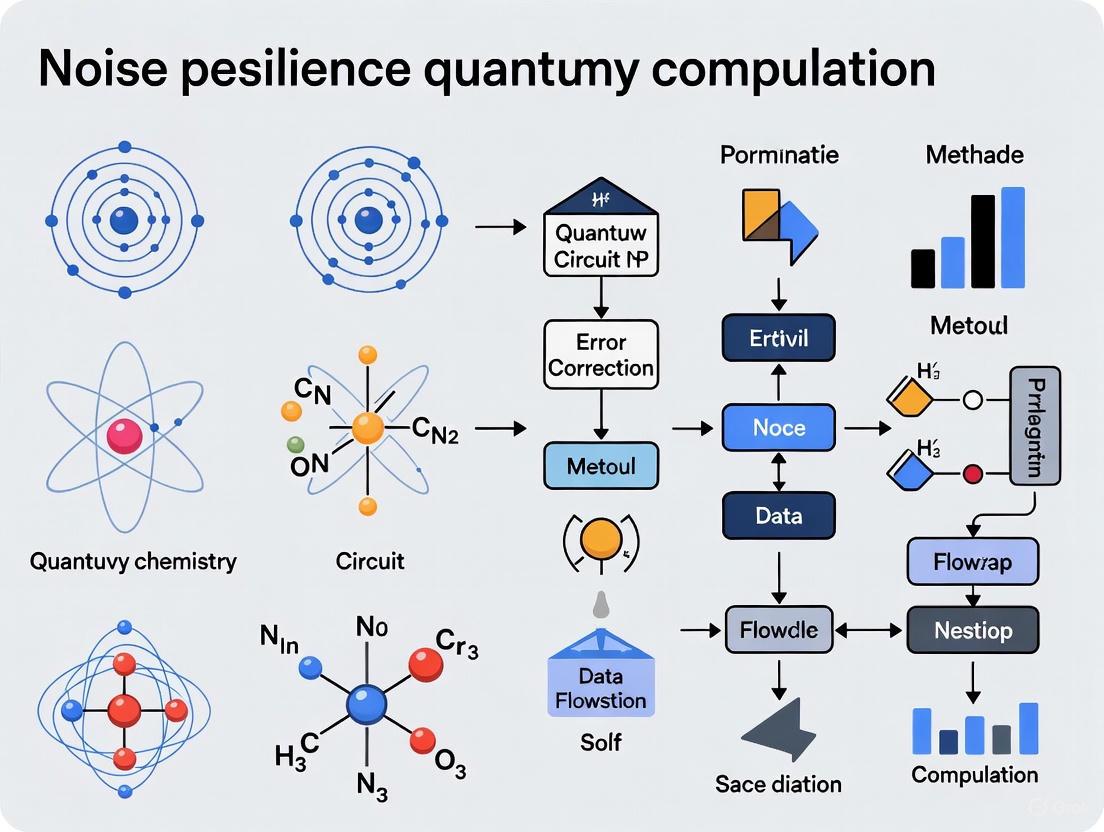
Noise-Resilient Quantum Chemistry: Overcoming NISQ Limitations for Drug Discovery and Materials Design
This article explores the critical challenge of noise resilience in quantum computational chemistry, a fundamental barrier to achieving practical quantum advantage on Noisy Intermediate-Scale Quantum (NISQ) devices.
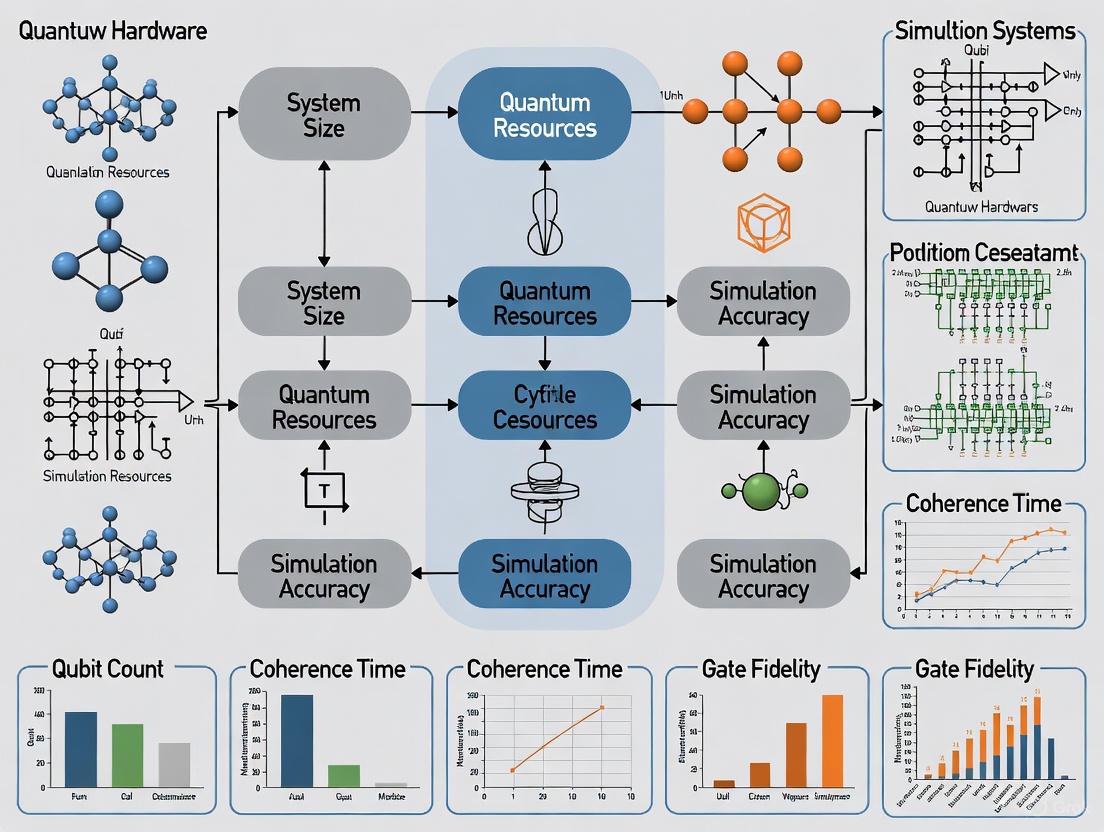
Navigating Quantum Hardware Constraints for Chemical Simulation: A 2025 Guide for Researchers
This article provides a comprehensive analysis of the current landscape of quantum computing for simulating chemical systems, tailored for researchers and drug development professionals.
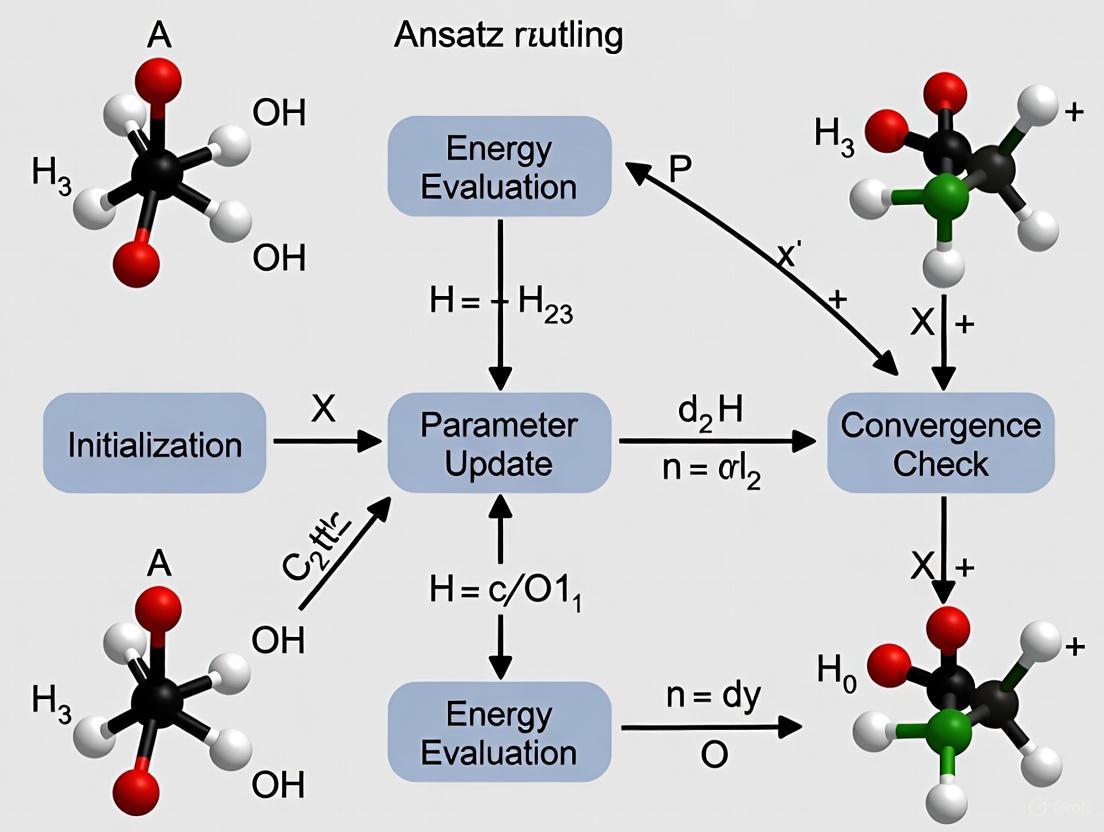
Advanced Ansatz Optimization Strategies for Variational Quantum Algorithms in Biomedical Research
This article provides a comprehensive guide to ansatz optimization strategies for Variational Quantum Algorithms (VQAs), tailored for researchers and drug development professionals.
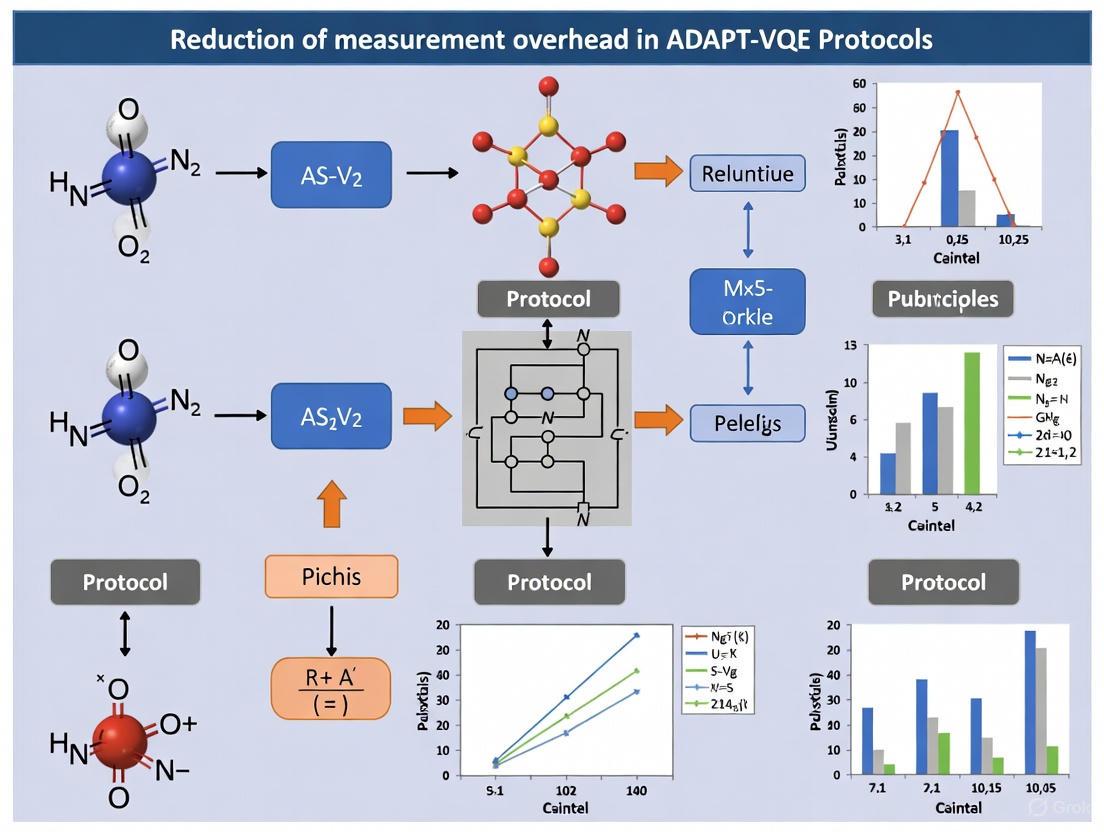
Strategies for Reducing Measurement Overhead in ADAPT-VQE: A Guide for Quantum Chemistry and Drug Discovery
This article provides a comprehensive analysis of the latest strategies for mitigating the significant measurement overhead that hinders the practical application of ADAPT-VQE protocols on near-term quantum hardware.
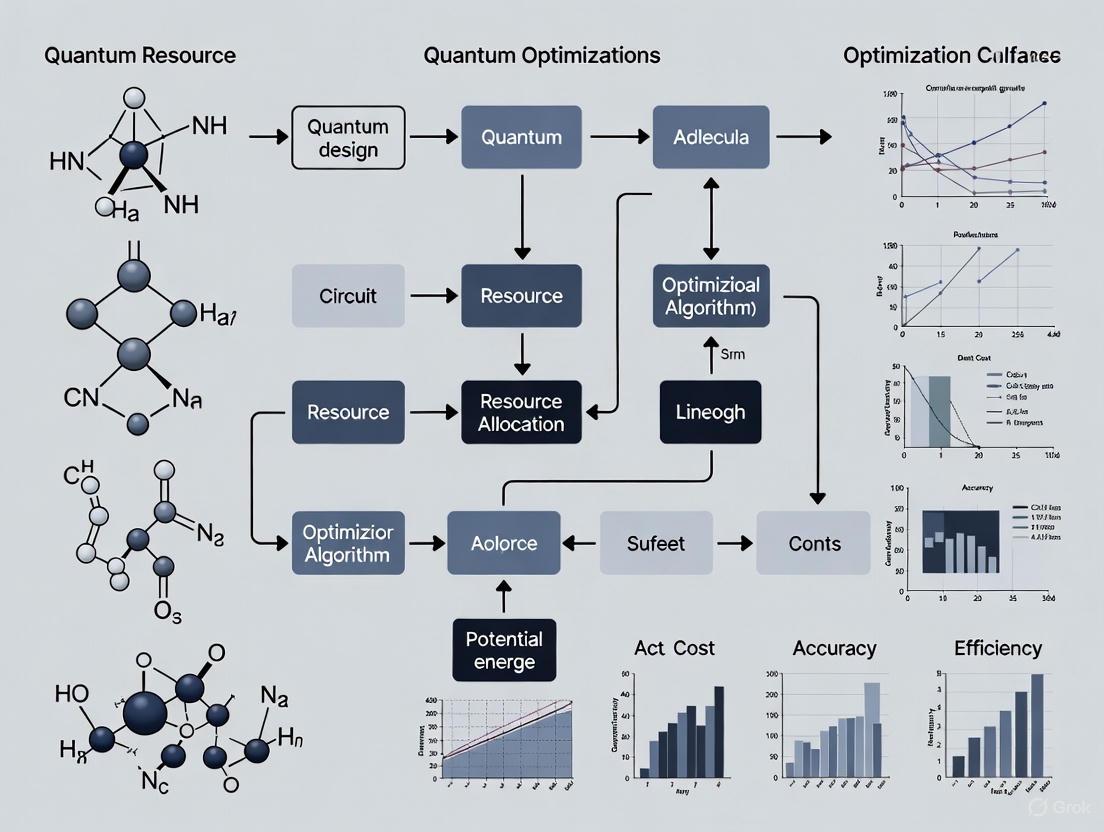
Optimizing Quantum Resources for Molecular Calculations: Strategies for Near-Term Applications in Drug Discovery
This article explores the cutting-edge methodologies and algorithmic advances that are making quantum simulations of molecules a tangible reality for researchers and drug development professionals.
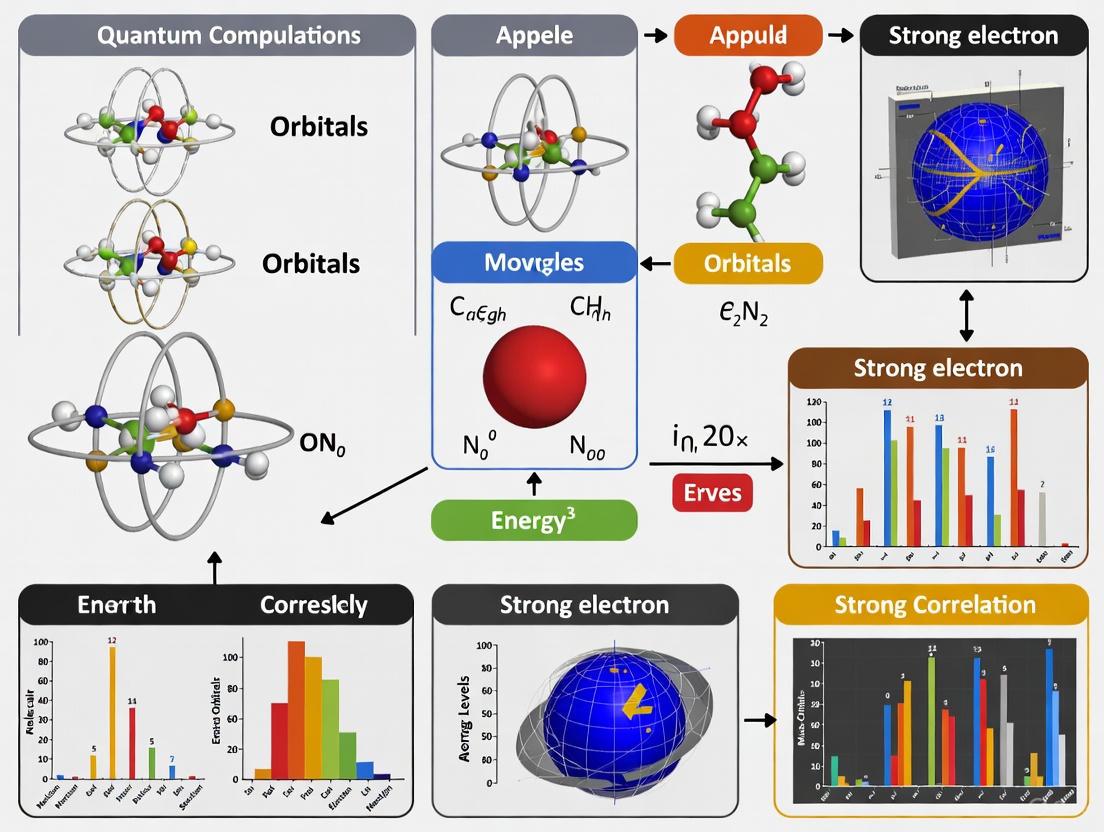
Quantum Solutions for Strong Electron Correlation: From Quantum Algorithms to Biomedical Applications
Strong electron correlation presents a fundamental challenge in quantum chemistry, limiting the accuracy of classical computational methods for simulating complex molecules and materials.
Optimizing Quantum Circuit Depth for Chemical Simulations: Strategies for the NISQ Era and Beyond
This article provides a comprehensive guide for researchers and drug development professionals on optimizing quantum circuit depth to enhance the accuracy and feasibility of chemical simulations on near-term quantum hardware.
Density Functional Theory in Modern Drug Discovery: A Comprehensive Guide for Molecular Modeling
This article provides a comprehensive overview of Density Functional Theory (DFT) and its powerful applications in molecular modeling for drug discovery.