Electromagnetic Field Quantization: From Quantum Theory to Biomedical Applications
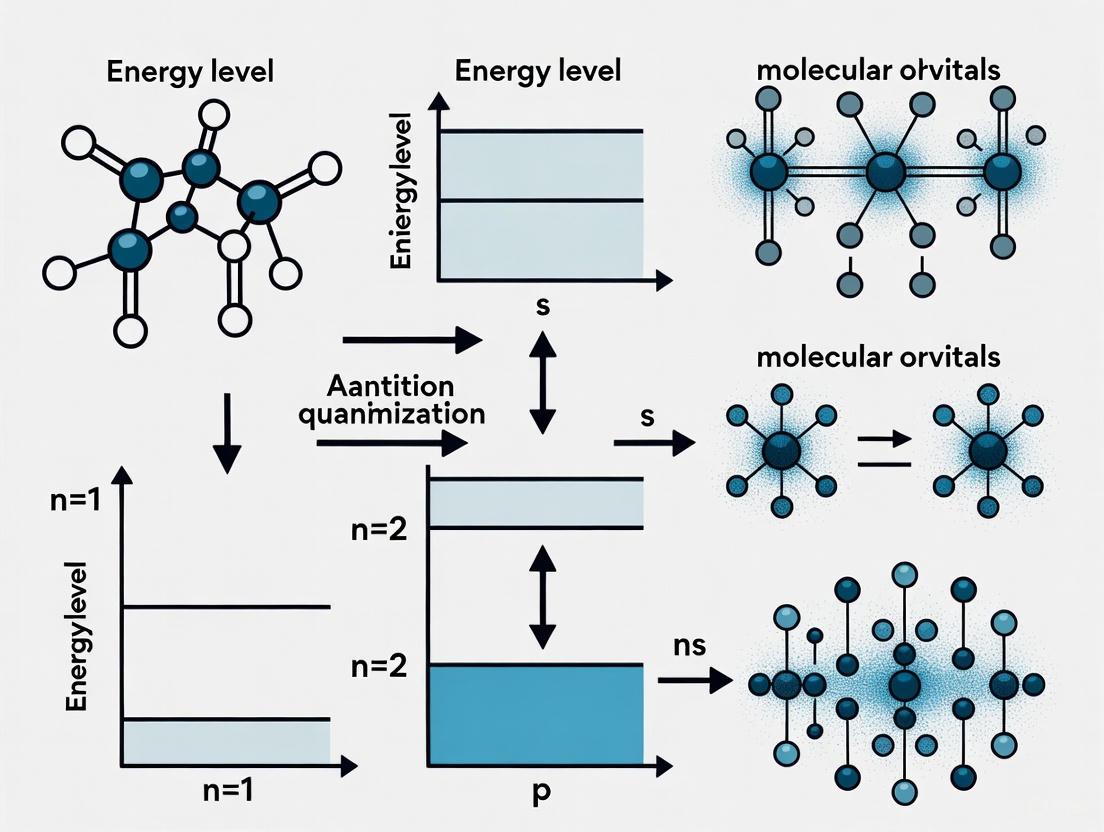
This article provides a comprehensive exploration of electromagnetic field quantization, bridging fundamental quantum theory with practical applications in biomedical research and drug development.
Electromagnetic Field Quantization: From Quantum Theory to Biomedical Applications
Abstract
This article provides a comprehensive exploration of electromagnetic field quantization, bridging fundamental quantum theory with practical applications in biomedical research and drug development. It covers foundational concepts from Planck's quantum hypothesis to modern first and second quantization frameworks. The article details methodological advances for complex media like photonic gratings and single-molecule emitters, addresses key challenges in translating quantum optical phenomena into clinical tools, and offers comparative analysis of different quantization approaches. Aimed at researchers and drug development professionals, this guide synthesizes theoretical physics with the practical needs of translational science, highlighting how quantum light control can innovate diagnostics and therapeutic monitoring.
Quantum Foundations: From Light Quanta to Modern Photon Concepts
This whitepaper delineates the historical trajectory and technical foundations of Planck's quantum hypothesis and its profound role in establishing the principle of particle-wave duality. Framed within a broader thesis on understanding electromagnetic radiation quantization research, this document elucidates the fundamental break from classical physics that occurred at the dawn of the 20th century. The subsequent paradigm shift not only redefined our comprehension of light and matter but also laid the essential groundwork for modern technologies, including advanced methods in drug discovery and development where accurate molecular-level modeling is paramount [1] [2]. We provide an in-depth analysis of the core concepts, quantitative frameworks, and pivotal experiments, supplemented with structured data and visual workflows to aid researchers and scientists in navigating this critical field.
Historical Foundation: From Blackbody Radiation to Energy Quanta
The Ultraviolet Catastrophe and Planck's Radical Solution
At the end of the 19th century, physicists were unable to explain the observed spectrum of radiation emitted by a black body—an idealized object that absorbs and emits all radiation frequencies [3]. Classical physics, based on Maxwell's equations and thermodynamics, predicted that a hot object should emit radiation with intensity increasing without bound as the wavelength decreases, leading to the nonsensical prediction of infinite energy in the ultraviolet region of the spectrum. This theoretical failure was termed the "ultraviolet catastrophe" [4].
In 1900, Max Planck heuristically derived a formula that perfectly matched the experimental data across all wavelengths [3] [4]. His mathematical solution, however, required a physically radical assumption: that the energy of the electromagnetic oscillators in the blackbody walls could not vary continuously, but could only change in discrete increments, or quanta. The energy (E) of each quantum was proportional to the frequency (f) of the radiation: [ E = h f ] where (h) is the fundamental constant of nature now known as Planck's constant ((6.626 \times 10^{-34} \text{J·s})) [4]. Planck himself regarded this quantum hypothesis as a mathematical artifice initially, but it marked the birth of quantum theory [3].
Einstein and the Photoelectric Effect: Extending the Quantum Hypothesis
In 1905, Albert Einstein extended Planck's concept far beyond its original context [4]. He proposed that light itself consists of discrete energy packets, later called photons. This bold extension explained the photoelectric effect, where light striking a metal surface ejects electrons. Classical wave theory could not explain why electron energy depended on the light's frequency, not its intensity. Einstein showed that this was a natural consequence if light consisted of quanta with energy (E = h f), for which he received the Nobel Prize in 1921 [4].
The Core Principle: Particle-Wave Duality
The Double-Slit Experiment and Quantum Reality
The concept of duality is most famously demonstrated by the double-slit experiment. First performed by Thomas Young in 1801 to show light's wave nature, it took on a deeper meaning with the advent of quantum mechanics [5]. When a beam of light passes through two slits, it produces an interference pattern on a detection screen, characteristic of waves. Even when the light intensity is reduced so that only one photon is present at a time, the interference pattern gradually emerges, suggesting each photon interferes with itself [6].
Stranger still, any attempt to determine which slit a photon passes through causes the interference pattern to disappear, and the light behaves as a stream of particles [5] [6]. This demonstrates the core tenet of quantum mechanics: physical objects exhibit both particle and wave nature, but these two aspects are complementary; they cannot be observed simultaneously [5]. The act of measurement disturbs the system, collapsing the wave function and determining the state in which the object is observed [6].
An Idealized Modern Test
A 2025 study from MIT performed an idealized version of this experiment using atoms as slits and weak light beams to ensure each atom scattered at most one photon [5]. The researchers confirmed that the more information was obtained about the photon's path (its particle nature), the lower the visibility of the interference pattern (its wave nature). This result, achieved with atomic-level precision, validates the quantum description over classical intuition [5].
Quantitative Frameworks and Data Presentation
Planck's Law Formulations
Planck's radiation law describes the spectral density of electromagnetic radiation emitted by a black body in thermal equilibrium. The following table summarizes its various forms [3].
Table 1: Different Formulations of Planck's Law
| Variable | Distribution Form | Primary Domain |
|---|---|---|
| Frequency (ν) | ( B{\nu}(\nu,T) = \dfrac{2h\nu^3}{c^2} \dfrac{1}{e^{h\nu/(k{\mathrm{B}}T)} - 1} ) | Experimental |
| Wavelength (λ) | ( B{\lambda}(\lambda,T) = \dfrac{2hc^2}{\lambda^5} \dfrac{1}{e^{hc/(\lambda k{\mathrm{B}}T)} - 1} ) | Experimental |
| Angular Frequency (ω) | ( B{\omega}(\omega,T) = \dfrac{\hbar \omega^3}{4\pi^3 c^2} \dfrac{1}{e^{\hbar \omega/(k{\mathrm{B}}T)} - 1} ) | Theoretical |
| Wavenumber (ν̃) | ( B{\tilde{\nu}}({\tilde{\nu}},T) = 2hc^2{\tilde{\nu}}^3 \dfrac{1}{e^{hc{\tilde{\nu}}/(k{\mathrm{B}}T)} - 1} ) | Theoretical |
Where (k_{\mathrm{B}}) is the Boltzmann constant, (h) is the Planck constant, and (c) is the speed of light.
Key Findings from Double-Slit Experimentation
The following table synthesizes the relationship between path information and interference, a cornerstone of duality, as demonstrated in modern experiments.
Table 2: Summary of Double-Slit Experiment Findings on Wave-Particle Duality
| Experimental Condition | Particle-like Behavior | Wave-like Behavior | Simultaneous Observation |
|---|---|---|---|
| No which-path measurement | Not observed | High-visibility interference pattern | Not possible |
| Which-path measurement active | Observed (photon takes a definite path) | Interference pattern disappears | Not possible |
| Tuned "fuzziness" of slits [5] | Anti-correlated with wave behavior | Anti-correlated with particle behavior | Remains impossible |
Experimental Protocols and Methodologies
Methodology: Modern Double-Slit with Atomic Slits
The following workflow details the methodology used in the 2025 MIT experiment that confirmed quantum principles with high precision [5].
Methodology: Probing Blackbody Radiation
This workflow outlines the core logical process for investigating blackbody radiation that led to Planck's hypothesis.
The Scientist's Toolkit: Research Reagent Solutions
The following table details key conceptual and material components essential for research in quantum mechanics and electromagnetic radiation.
Table 3: Essential Research Components for Quantum Radiation Studies
| Item/Concept | Function/Description | Relevance to Field |
|---|---|---|
| Planck's Constant (h) | Fundamental constant setting the scale of quantum effects. | Quantizes energy, links frequency and energy (E = hf). |
| Blackbody Radiator | An idealized perfect absorber and emitter of radiation. | Standardized source for studying emission spectra. |
| Ultracold Atom Lattice | A crystal-like structure of atoms cooled to near absolute zero. | Serves as precise, quantum-controlled "slits" in modern experiments. |
| Single-Photon Source | A device that emits light one photon at a time. | Enables the study of quantum behavior at the single-particle level. |
| Quantum State Preparation | The ability to initialize a quantum system in a specific state. | Allows control over variables like atomic "fuzziness" to probe duality. |
Implications for Modern Science and Drug Discovery
The principles born from Planck's hypothesis and particle-wave duality directly enable modern computational chemistry and drug discovery. A drug's action often depends on its interaction with a biological target at the quantum level, where electrons and nuclei are governed by the Schrödinger equation [1] [2]. Accurate modeling of these interactions is crucial for predicting drug efficacy and safety.
Classical computational methods face fundamental limitations in simulating large quantum systems, as the required computational resources grow exponentially [2]. This has spurred the integration of quantum computing into the drug development pipeline. Quantum computers, which use qubits to represent superposition and entanglement, natively handle quantum states, offering a potential exponential advantage for tasks like molecular simulation and the prediction of drug-target interactions [2]. This convergence of quantum physics and pharmaceutical science holds the promise of significantly reducing the time and cost of bringing new therapeutics to market [1] [2].
The photon, the fundamental quantum of light and the force carrier for the electromagnetic interaction, has been a cornerstone of physics for over a century. Despite its central role in forming the quantum backbone of technologies from lasers to quantum computers, its exact nature remains surprisingly elusive. Albert Einstein himself admitted that decades of thought had not brought him closer to fully understanding "light quanta" [7]. This whitepaper details the core principles of quantized energy and photons, framing them within contemporary research contexts that are reshaping quantum photonics and communication technologies. The quantization of electromagnetic radiation into discrete energy packets—photons—represents a foundational shift from classical descriptions, enabling the manipulation of light at the single-particle level for advanced scientific and technological applications.
Theoretical Foundations: From Classical Waves to Quantum Particles
The Photon as a Quantum Entity
In quantum optics, the photon is often treated as a single excitation of a field mode, fully delocalized in time. Conversely, in experimental practice, a photon is often considered an energy packet emitted by an atom, molecule, or quantum dot, localized in both time and space [7]. This duality necessitates a robust theoretical framework to connect mathematical formalism with physical reality.
Mathematical Frameworks: First vs. Second Quantization
A significant recent theoretical advance involves applying "first quantization"—a method traditionally used for massive particles like electrons—directly to the photon. Unlike the standard "second quantization" approach, which describes light as quantized fields with varying numbers of particles, first quantization fixes the number of photons and treats them as individual quantum objects [7].
This approach yields Schrödinger-like and Dirac-like equations for photons, providing a direct link between quantum states and familiar classical light forms such as Gaussian beams, Bessel beams, and polarized wavepackets [7]. The framework reveals a direct correspondence between classical electromagnetism and quantum photon behavior, highlighting what has been termed the "quantum diversity" of photons—showing how their many classical optical forms can be understood as specific quantum states [7].
Table 1: Key Theoretical Frameworks for Photon Quantization
| Framework | Core Principle | Mathematical Description | Primary Application |
|---|---|---|---|
| First Quantization | Treats photons as individual quantum objects with fixed numbers | Vector wave functions leading to Maxwell's equations; Schrödinger-like and Dirac-like equations | Connecting quantum states directly to classical light forms (Gaussian beams, Bessel beams) |
| Second Quantization | Describes light as quantized fields with varying particle numbers | Fock space, creation and annihilation operators | Quantum field theory, quantum optics with variable photon numbers |
| Macroscopic Quantization | Quantum phenomena observable in macroscopic electrical circuits | Quantum mechanical tunnelling and energy quantisation in electric circuits | Superconducting qubits, quantum computing processors |
Contemporary Research Contexts
Macroscopic Quantum Systems
The 2025 Nobel Prize in Physics recognized groundbreaking work on macroscopic quantum mechanical tunnelling and energy quantization in electric circuits, demonstrating that quantum phenomena are not confined to the microscopic realm [8]. This research showed that electrical circuits could exhibit fundamental quantum mechanical phenomena such as tunnelling and quantized energy levels, paving the way for superconducting quantum bits (qubits) that now form the basis of several quantum computing platforms [8].
Quantum Networking and Communication
Recent advances in quantum networking rely critically on manipulating single photons and entangled photon pairs. Quantum networks have the potential to unlock new applications by allowing quantum computers to communicate using qubits rather than classical bits [9]. These qubits often take the form of photonic states that are so closely correlated, or entangled, that measuring the property of one partner automatically determines the property of the other, even at great distances [9] [10].
A critical challenge in preserving entanglement involves maintaining a well-defined, stable phase—the position of peaks within the light wave must remain fixed relative to the peaks of a standard light source. For some entangled states, changing the travel path by a mere 700 nanometers—approximately the wavelength of red light—will destroy the entanglement [10].
Phase Stabilization with Faint Light
The National Institute of Standards and Technology (NIST) has developed an innovative method that stabilizes the phase of light in optical fibers using extremely faint signals. This technique works with fewer than a million photons per second, nearly 10,000 times fainter than standard techniques require [10]. This advance removes a critical obstacle for long-distance quantum communication, where bright reference signals would disturb delicate quantum states.
The method relies on the interplay between a source of highly stable laser light and the faint light traveling through the quantum network. The stable laser acts as a reference to measure the phase of the network light using the principle of interference. If the interference is not completely destructive, the number of photons detected reveals the phase difference, which can then be adjusted to create destructive interference, effectively locking the phase of the photonic states in the network to the phase of the reference laser [10].
Diagram 1: NIST Phase Stabilization Technique
Experimental Protocols and Methodologies
Protocol: Entanglement Generation with Squeezed Light
Researchers at Fermilab and Caltech have demonstrated a protocol using "squeezed light"—a special state of light with reduced noise and enhanced sensitivity—to dramatically increase the rate at which quantum networks can generate entangled particle pairs over long distances [9].
Methodology:
- Light Preparation: Generate squeezed light at two distant locations (Node A and Node B)
- Beam Transmission: Both light sources are sent to a central site equidistant between them
- Beam Splitting: Route the light through a beam splitter that separates them into two beams (transmitted and reflected)
- Beam Recombination: The light beams return to the central location where they recombine
- Quantum Measurement: Measure the recombined light at the central station
- Entanglement Creation: The measurement destroys the light but leaves multiple pairs of long-distance entangled qubits between the original nodes due to quantum non-locality
The method's effectiveness depends on the strength of the squeezing, with current technology allowing up to 15 decibels of squeezing, potentially producing 3-4 entangled qubit pairs per operation [9].
Diagram 2: Squeezed Light Entanglement Protocol
Protocol: Phase Stabilization of Quantum Networks
The NIST protocol for phase stabilization of faint light signals enables long-distance quantum communication by maintaining phase coherence across kilometer-scale distances [10].
Methodology:
- Reference Laser: Generate a highly stable laser light source with fixed phase
- Signal Transmission: Send faint light signals (<1 million photons/second) through optical fiber network
- Interference Setup: Combine the reference laser light with the network light at a beam splitter
- Photon Counting: Use displaced photon counting to measure interference patterns
- Phase Difference Calculation: Calculate phase difference from photon detection statistics
- Feedback Loop: Apply corrective phase adjustments to create destructive interference
- Phase Lock: Maintain locked phase relationship between reference and network light
The technique demonstrated stabilization over 120 kilometers (75 miles) of optical fiber connecting NIST and the University of Maryland, with phase uncertainty comparable to pinpointing the Earth-moon distance to within a human hair's width [10].
Table 2: Quantitative Performance Metrics for Quantum Photon Experiments
| Experimental Parameter | NIST Phase Stabilization | Fermilab Squeezed Light Entanglement | Traditional Methods |
|---|---|---|---|
| Photon Flux | <1 million photons/second | Varies with squeezing strength | Trillions of photons/second |
| Distance Demonstrated | 120 km (75 miles) | Metropolitan-scale distances | Laboratory scale only |
| Entanglement Generation Rate | N/A | Significantly increased vs. standard methods | Single pair per operation |
| Phase Stability | Sub-wavelength precision over 120 km | N/A | Limited by environmental noise |
| Squeezing Level | N/A | Up to 15 decibels with current technology | Not applicable |
The Scientist's Toolkit: Essential Research Reagents and Materials
Table 3: Key Research Reagent Solutions for Quantum Photonics Experiments
| Material/Component | Function | Experimental Relevance |
|---|---|---|
| Superconducting Qubits | Artificial atoms for quantum information processing | Basis for quantum processors; enabled by macroscopic quantum phenomena recognized by 2025 Nobel Prize [8] |
| Josephson Junctions | Nonlinear circuit elements exhibiting quantum effects | Enable superconducting qubits; fundamental to macroscopic quantum tunnelling experiments [8] |
| Squeezed Light Sources | Generate light states with noise below standard quantum limit | Increase entanglement generation rates in quantum networks [9] |
| Single-Photon Detectors | Detect individual photon arrivals with precise timing | Essential for quantum key distribution and measuring faint light signals in phase stabilization [10] |
| High-Coherence Lasers | Provide stable phase reference for interference experiments | Critical for phase stabilization protocols in quantum networks [10] |
| Optical Beam Splitters | Divide and recombine light beams with precise ratios | Enable interference experiments and entanglement generation [9] [10] |
| Low-Loss Optical Fibers | Transmit photon signals over long distances with minimal loss | Infrastructure for quantum networks connecting distant nodes [9] [10] |
| Phase Modulators | Adjust optical phase of light signals with high precision | Implement feedback in phase stabilization systems [10] |
The core principles of quantized energy and photons continue to evolve through both theoretical refinements and experimental advances. The recent development of first quantization approaches for photons provides a more intuitive mathematical foundation connecting classical electromagnetism with quantum behavior [7]. Simultaneously, advances in controlling macroscopic quantum systems [8] and developing practical quantum networking technologies [9] [10] demonstrate the increasingly sophisticated manipulation of quantum light states for next-generation technologies. These interconnected developments across theoretical, experimental, and applied domains highlight the vibrant progress in understanding and utilizing the quantum nature of light, with profound implications for computation, communication, and fundamental physics.
The photon, a cornerstone of modern physics for over a century, remains surprisingly elusive. Despite its fundamental role in quantum science and technology, Albert Einstein himself admitted that decades of thought had not brought him closer to fully understanding "light quanta" [7]. This enigma manifests in the starkly different conceptions of photons across theoretical and experimental domains. In quantum optics, the photon is often treated as a single excitation of a field mode—fully delocalized in time. Conversely, experimental practice defines it as a localized energy packet emitted by atoms, molecules, or quantum dots, possessing specific temporal and spatial boundaries [7] [11]. This conceptual divide presents significant challenges for advancing quantum technologies, particularly in the rapidly developing field of quantum photonics. As 2025 marks the International Year of Quantum Science and Technology, celebrating a century of quantum science, resolving this dichotomy becomes increasingly urgent for harnessing the full potential of photons in applications ranging from quantum computing to deep-space communication [7] [11].
Theoretical Frameworks: From First Principles to Quantum Diversity
The First Quantization Approach
Traditional quantum optics predominantly employs second quantization, which describes light as quantized fields with variable particle numbers. A revolutionary framework proposed by Boris Chichkov applies "first quantization"—a method traditionally reserved for massive particles like electrons—directly to photons [7] [11]. This approach treats photons as individual quantum objects with a fixed number of particles, deriving photon wave and field equations that directly bridge quantum mechanics with classical electromagnetism [7].
The foundation of this method lies in the photon energy-momentum relation in a dielectric medium with refractive index n:
where E = ℏω represents photon energy and p = ℏk represents photon momentum (Minkowski expression) [11]. By converting this relation to quantum operators (Ê = iℏ∂/∂t for energy and p̂ = -iℏ∇ for momentum), the framework yields Schrödinger-like and Dirac-like equations for photons [11]. This operator-based approach naturally leads to Maxwell's equations, demonstrating that photon electric and magnetic fields obey the same fundamental relationships as classical electromagnetic fields [11].
Table 1: Comparison of Quantization Approaches for Photons
| Aspect | First Quantization | Second Quantization |
|---|---|---|
| Particle Number | Fixed number of photons | Variable number of photons |
| Mathematical Foundation | Wave functions, differential operators | Creation/annihilation operators, Fock states |
| Connection to Classical Theory | Direct derivation of Maxwell's equations | Quantum field operators |
| Photon Description | Individual quantum objects | Field excitations |
| Practical Applications | Single-photon technologies, photon wave packets | Cavity QED, quantum electrodynamics |
Quantum Diversity of Photons
The first quantization formalism reveals what Chichkov terms "quantum diversity" of photons—demonstrating that various classical optical forms represent specific quantum states [7]. Gaussian beams, Bessel beams, polarized wavepackets, and other structured light manifestations emerge as natural solutions to the photon wave equations [7]. This framework elegantly unifies classical optics with quantum mechanics by showing that classical light behaviors are manifestations of underlying quantum states.
The approach extends to complex scenarios including photon propagation in dispersive media, where speed depends on frequency. By incorporating the refractive index into the equations, the theory provides new expressions for photon energy density and intensity that align with established models while offering novel insights for single-photon technologies [7] [11].
Experimental Signatures: From Antibunching to Entanglement
Photon Statistics and Antibunching
Experimental photon physics relies heavily on statistical measurements to distinguish quantum light from classical light. The second-order correlation function, g²(τ), serves as a crucial experimental signature [12]. For classical light sources, g²(0) ≥ 1, indicating photon bunching. In contrast, quantum emitters exhibit antibunching with g²(0) < 1, with the ultimate quantum signature being g²(0) = 0 [12].
The pioneering 1977 experiment by Kimble et al. investigating photon statistics of light emitted from single atoms demonstrated this antibunching effect [12]. As illustrated in Figure 13.1a-b of the research, immediately after a photon emission event, the atom resides in its ground state, causing the probability for emitting another photon to drop to nearly zero before gradually recovering to the average emission probability [12]. This antibunching dip represents a purely quantum-mechanical phenomenon impossible to replicate with classical light sources.
Subsequent experiments with single trapped ions in Paul traps revealed even deeper antibunching dips with g²(0) = 0, approaching the ideal single-photon emitter characteristics [12]. When driven by intense lasers, these systems exhibit Rabi oscillations manifesting as modulations in the correlation function, providing additional insights into light-matter interactions at the quantum level [12].
Controlled Photon Emission and Entanglement
To overcome the limitations of continuous excitation—namely, the inability to control exact emission times and successive photon emissions—researchers developed pulsed excitation schemes using three-level atomic systems [12]. For instance, with a π-pulse exciting |e⟩ → |x⟩ and emission occurring from |x⟩ → |g⟩, researchers can precisely control emission timing while preventing additional emissions until the system is actively reset to its initial state |e⟩ [12].
This controlled approach enabled groundbreaking experiments in photon-matter entanglement. Researchers Monroe and Weinfurter successfully entangled photon polarization with atomic spins, creating entangled atom-photon states [12]:
Projective measurements on pairs of photons emitted from distant atoms facilitated entanglement swapping, enabling quantum state teleportation and establishing matter-light quantum interfaces that combine memory capabilities with quantum communication [12].
Table 2: Key Experimental Techniques in Quantum Photonics
| Experimental Technique | Physical Principle | Key Measurement/Outcome |
|---|---|---|
| Hanbury Brown-Twiss Interferometry | Second-order correlation function g²(τ) | Antibunching (g²(0) < 1) for quantum emitters |
| Pulsed Excitation of Three-Level Systems | Controlled population transfer | Precise emission timing, prevented multiple emissions |
| Photon-Matter Entanglement | Entanglement between photon polarization and atomic spin | Quantum state teleportation, entanglement swapping |
| Stellar Intensity Interferometry | Timing correlations between distant telescopes | High-resolution astronomical imaging |
| Single-Photon Lidar | Direct time-of-flight with single-photon detection | Enhanced range and resolution in 3D imaging |
Advanced Experimental Methodologies
Photon Detection Technologies
Cutting-edge photon detection technologies have dramatically advanced experimental capabilities. Several key detector types have emerged for specific applications:
Single-Photon Avalanche Diodes (SPADs) represent workhorse detectors across numerous applications from quantum key distribution to light detection and ranging (LiDAR) [13]. Recent innovations include perimeter-gated SPADs that mitigate edge breakdown issues and improve noise performance for low-light imaging [13]. Advanced detection strategies based on inter-arrival times of photons enhance long-distance LiDAR capabilities, with simulations showing up to 46% increase in maximum measurement range under challenging background illumination of approximately 100 kiloLux [13].
Superconducting Nanowire Single-Photon Detectors (SNSPDs) offer exceptional performance metrics with high detection efficiency and low timing jitter, making them ideal for quantum key distribution and deep-space optical communication [13]. Recent enhancements through localized helium ion irradiation have boosted the system detection efficiency of NbTiN SNSPDs from below 2% to saturating efficiency levels [13].
Novel Detection Systems continue to emerge, such as high-throughput photon counting systems based on microchannel plate photomultiplier tubes capable of nearly dead-time-free acquisition at rates up to 97MHz with temporal resolution better than 50ps FWHM [13]. These systems enable significant advancements in stellar intensity interferometry, allowing observations of dimmer stars with higher significance [13].
Quantum Photonics Experimental Workflow
The experimental workflow in quantum photonics integrates these advanced detection technologies with precise quantum state engineering and control systems.
The Scientist's Toolkit: Essential Research Reagents and Materials
Table 3: Key Research Reagent Solutions in Experimental Quantum Photonics
| Item | Function | Specific Examples & Performance Metrics |
|---|---|---|
| Single-Photon Emitters | Source of quantum light | Single atoms/ions, quantum dots, color centers in diamonds |
| Single-Photon Detectors | Detection of individual photons | SPADs (GeSi SPADs operating at room temperature), SNSPDs (NbTiN with >80% efficiency) [13] |
| High NA Collection Optics | Efficient photon collection from emitters | Aspheric lenses, microscope objectives (up to 25% collection efficiency from atoms) [12] |
| Time-Correlated Counting Electronics | Precise timing of photon arrival events | Time-to-digital converters, timing electronics (<40ps FWHM resolution at 10MHz rates) [13] |
| Cryogenic Systems | Temperature control for detectors and emitters | Closed-cycle cryostats, liquid helium systems (for SNSPD operation at 2-4K) |
| Optical Cavities | Enhancement of light-matter interaction | Fabry-Pérot resonators, photonic crystal cavities (increased collection efficiency into single mode) |
Emerging Applications and Future Directions
Quantum-Enabled Technologies
The reconciliation of theoretical and experimental photon perspectives enables transformative technologies across multiple domains:
Deep Space Optical Communication: NASA's Deep Space Optical Communication (DSOC) experiment employs single-photon detectors at both ground receiver and spacecraft terminals, utilizing pulse-position modulation to maximize efficiency for each signal photon across Earth-Mars separations (~0.5-2.5 AU) [13]. The Photon Counting Camera aboard the Psyche spacecraft represents cutting-edge implementation of these principles [13].
Quantum Entanglement in Space: The Space Entanglement and Annealing QUantum Experiment (SEAQUE) mission incorporates a four-channel single-photon detector module engineered to autonomously detect entangled photon pairs and register coincident detection events [13]. The compact unit (126 mm × 94 mm × 63 mm, 0.3 kg, <10W power) exemplifies the miniaturization and robustness required for space-based quantum experiments [13].
Advanced Imaging and Sensing: Single-photon LiDAR systems achieve unprecedented range and resolution through time-of-flight measurements with SPAD arrays [13]. Perimeter-gated SPADs specifically improve noise performance for low-light imaging applications in security surveillance, gesture recognition, and automotive sectors [13].
Theoretical Frontiers
The first quantization framework continues to evolve, particularly in addressing photon behavior in complex media. The derivation of novel equations for photon propagation in dispersive media provides a more robust foundation for understanding and engineering single-photon wave packets in realistic environments [7] [11]. This theoretical advancement directly supports the development of single-photon technologies for quantum communication and computation.
The conceptual clarification offered by the first quantization approach—demonstrating direct connections between classical electromagnetism and quantum photon behavior—promises to make photon physics more intuitive for students and more effective for researchers modeling next-generation quantum photonic devices [7]. As quantum photonics continues its rapid development, this theoretical coherence between classical and quantum descriptions will be essential for harnessing the full potential of photons as quantum information carriers.
The photon enigma—the longstanding divide between theoretical descriptions and experimental manifestations of light quanta—finds reconciliation through innovative theoretical frameworks like first quantization and sophisticated experimental methodologies leveraging quantum statistics and advanced detection technologies. The "quantum diversity" of photons revealed through these approaches demonstrates that varied classical optical forms represent specific quantum states, bridging the conceptual gap between wave and particle descriptions. As quantum photonics advances into its second century, this unified understanding enables transformative technologies from deep-space communication to quantum networking, fulfilling the potential of photons as versatile carriers of quantum information across increasingly sophisticated applications.
The quantization of electromagnetic radiation is a cornerstone of modern physics, yet the photon's nature continues to present conceptual challenges. Traditional quantum electrodynamics (QED) employs second quantization, describing light as quantized fields with variable particle numbers. However, an alternative approach using first quantization—treating photons as individual quantum objects with fixed particle numbers—has recently gained renewed attention [7]. This framework directly connects the mathematics of quantum mechanics with classical electromagnetic theory, allowing photons to be described using wave functions in analogy with massive particles.
The fundamental challenge in developing Schrödinger-like and Dirac-like equations for photons stems from their massless, spin-1 character. Unlike electrons, which are massive spin-1/2 particles described by the Dirac equation, photons require a mathematical formalism that respects both their gauge invariance and their transverse nature [14] [15]. Recent research by Chichkov (2025) demonstrates that photons can indeed be described using vector wave functions that naturally lead to Maxwell's equations, providing a direct link between quantum states and familiar classical light forms such as Gaussian beams and polarized wavepackets [16] [7].
This technical guide examines the mathematical foundations of Schrödinger-like and Dirac-like equations for photons, their relationship to classical electrodynamics, and their implications for understanding the quantum-classical correspondence of light.
Theoretical Foundations: First Quantization Approach
The First Quantization Framework for Photons
First quantization for photons represents a significant departure from the standard second quantization methods of quantum field theory. While second quantization describes light as quantized fields with varying particle numbers, first quantization fixes the number of photons and treats them as individual quantum objects [7]. This approach enables the description of photon states using wave functions that satisfy modified Schrödinger-like equations, bridging classical electromagnetism and quantum mechanics.
In this framework, photons are described using vector wave functions rather than the scalar wave functions used for massive particles. This vector nature is essential because photons are massless particles intrinsically tied to electromagnetic fields [7]. The resulting formalism yields Schrödinger-like and Dirac-like equations for photons that provide a direct connection between quantum states and classical optical phenomena.
The Photon Wave Function Controversy
The concept of a photon wave function in coordinate representation has been highly controversial in quantum physics. As highlighted in recent research, "The photon wavefunction notion is highly controversial, especially in the coordinate representation, due to the absence of rigorous spatial localization" [15]. This controversy dates back to 1930 with early attempts to introduce a photon wave function in coordinate representation using local electric fields, which resulted in nonlocal functions that failed Lorentz invariance [15].
The core difficulty lies in defining a proper position operator for massless particles—a problem that affects all relativistic quantum particles, even those with mass [15]. This has led to ongoing debates about the validity and interpretation of photon wave functions, though recent advances have provided more consistent mathematical frameworks.
Mathematical Formalisms
Schrödinger-like Equations for Photons
Schrödinger-like equations for photons can be derived through multiple approaches. One method introduces a photon wave function in momentum space based on Einstein's relativistic energy-momentum relationship for a massless particle (E = cp) [15]. This leads to a momentum-space wave function Φ(𝐩) that satisfies:
[i\hbar\partialt\Phi{\pm}(\mathbf{p}) = H\Phi_{\pm}(\mathbf{p}})]
with a Hermitian Hamiltonian:
[H = \pm ic(\mathbf{p} \times) = \pm c(\mathbf{s} \cdot \mathbf{p}})]
where (\mathbf{s} = (sx, sy, s_z)) represents the vector of spin-1 matrices, and the ± signs correspond to the two possible photon helicities [15].
The coordinate-space wave function can then be defined as a weighted Fourier transform:
[\Psi{\pm}(\mathbf{r},t) = (2\pi\hbar)^{-3} \int \frac{\exp\left[\frac{i(\mathbf{p} \cdot \mathbf{x} - cpt)}{\hbar}\right]}{\sqrt{cp}} \Phi{\pm}(\mathbf{p}) d\mathbf{p}}]
which satisfies a similar Schrödinger-like equation:
[i\hbar\partialt\Psi{\pm}(\mathbf{r},t) = \pm c\left(\mathbf{s} \cdot \frac{\hbar}{i}\nabla\right)\Psi_{\pm}(\mathbf{r},t})]
This formulation maintains consistency with the quantum uncertainty principle and provides a proper foundation for probability densities that satisfy continuity equations [15] [17].
Dirac-like Equations for Photons
Dirac-like equations for photons emerge from the factorization of the second-order wave equations governing electromagnetic propagation. For massive particles, Dirac famously factorized the Klein-Gordon operator to obtain his first-order equation for electrons. Similarly, for photons in confined environments like optical fibers, exact solutions of Laguerre-Gauss and Hermite-Gauss modes reveal a massive energy spectrum where the effective mass depends on confinement and orbital angular momentum [18].
The propagation in such systems is described by a one-dimensional Schrödinger equation equivalent to a 2D space-time Klein-Gordon equation via unitary transformation. The probabilistic interpretation and conservation law require factorizing this Klein-Gordon equation, leading to a 2D Dirac equation with spin [18]. The spin expectation values in this formulation correspond directly to polarization states on the Poincaré sphere, providing a fundamental connection between the Dirac equation formalism and photon polarization phenomena.
Kobe (1999) demonstrated that Maxwell's equations can be formulated as a relativistic Schrödinger-like equation for a single photon of given helicity, with the energy eigenvalue problem revealing both positive and negative energy states [19] [17]. Applying the Feynman concept of antiparticles shows that negative-energy states moving backward in time correspond to antiphoton states with opposite helicity [17].
Table 1: Comparison of Photon Wave Equations in Different Representations
| Formalism | Mathematical Structure | Helicity Treatment | Key Properties |
|---|---|---|---|
| Momentum-space Schrödinger-like | (i\hbar\partialt\Phi{\pm}(\mathbf{p}) = \pm ic(\mathbf{p} \times)\Phi_{\pm}(\mathbf{p}})) | Separate equations for each helicity | Well-defined probability interpretation in p-space |
| Coordinate-space Schrödinger-like | (i\hbar\partialt\Psi{\pm}(\mathbf{r},t) = \pm c(\mathbf{s} \cdot \frac{\hbar}{i}\nabla)\Psi_{\pm}(\mathbf{r},t})) | Separate equations for each helicity | Non-local relationship to EM fields |
| Six-component Dirac-like | Combines both helicities in single equation | Unified treatment of both helicities | Direct connection to Maxwell's equations |
Connection to Maxwell's Equations
The fundamental relationship between these quantum equations and classical electrodynamics is captured through the electromagnetic field associations. The photon wave function directly relates to the Riemann-Silberstein vector (\mathbf{F} = \mathbf{E} + ic\mathbf{B}), which combines the electric and magnetic fields into a single complex quantity [15]. This connection ensures that all knowledge about classical optical fields can be directly transferred to photons, demonstrating their "quantum diversity" [16].
Chichkov (2025) has shown that using first quantization techniques allows derivation of the Maxwell equations for photons in magneto-dielectric media, creating a direct bridge between the quantum description of individual photons and the classical behavior of electromagnetic waves [16]. This approach has been extended to describe photon propagation in dispersive media through novel equations that modify the standard expressions for photon energy density and intensity to align with established models [7].
Experimental Validation and Applications
Quantum Oscillations in Insulators
Recent experimental work at the National Magnetic Field Laboratory has revealed surprising quantum phenomena that challenge traditional distinctions between materials. Researchers discovered quantum oscillations inside insulating materials, overturning long-held assumptions about electronic behavior [20]. These oscillations, which occur when electrons behave like tiny springs vibrating in response to magnetic fields, were found to originate in the material's bulk rather than its surface.
The experiments used ytterbium boride (YbB12) subjected to magnetic fields reaching 35 Tesla—approximately 35 times stronger than a hospital MRI machine [20]. The discovery reveals what researchers term a "new duality" in materials science, where compounds may behave as both metals and insulators, presenting a fascinating puzzle for future research that may connect to fundamental photon behavior.
Quantum Networking with Squzzzed Light
Advanced applications of photon quantum states are emerging in quantum networking research. Scientists at Fermilab and Caltech have demonstrated methods using squeezed light—a special state of light with reduced noise and enhanced sensitivity—to dramatically increase the rate at which quantum networks can generate entangled particle pairs over long distances [9].
This protocol uses two optical encoding types whose combination helps overcome individual weaknesses and significantly increases the entangled pair generation rate. The method's effectiveness depends on squeezing strength, with current technology allowing up to 15 decibels of squeezing, potentially producing 3-4 entangled qubit pairs [9]. This research addresses critical bottlenecks in building large-scale quantum networks and demonstrates practical applications of advanced photon states.
Table 2: Experimental Methods in Quantum Photonics Research
| Experimental Method | Key Components | Physical Principle | Application Domain |
|---|---|---|---|
| High-field magnetic oscillation | 35 Tesla magnets, YbB12 samples, cryogenic systems | Quantum oscillations in insulator bulk | Fundamental material studies, new duality exploration |
| Squeezed light entanglement | Beam splitters, single-photon detectors, low-loss fibers | Quantum interference of squeezed states | Quantum networks, entanglement distribution |
| Photon emission mapping | Atomic/molecular emitters, dipole radiation patterns | Transition dipole moments | Quantum memory, single-photon sources |
Diagram: First Quantization Framework for Photons
Research Reagents and Materials
The experimental validation of these theoretical frameworks requires specialized materials and instrumentation. Key research components include:
Ytterbium Boride (YbB12) Crystals: Kondo insulator material showing unexpected quantum oscillations in strong magnetic fields, used to study the new conductor-insulator duality [20].
High-Field Magnet Systems: Capable of generating fields up to 35 Tesla, approximately 35 times stronger than clinical MRI systems, essential for observing quantum oscillations in insulating materials [20].
Quantum Optical Components: Including beam splitters, single-photon detectors, and phase stabilizers for manipulating squeezed light states and generating entangled photon pairs [9].
Low-Loss Optical Fibers: Specialized fiber optic cables with minimal signal attenuation, critical for distributing entanglement over long distances in quantum networks [9].
Single-Photon Emitters: Atomic, molecular, or quantum dot systems that can emit individual photons on demand for studying fundamental photon properties [7] [21].
The development of Schrödinger-like and Dirac-like equations for photons through first quantization represents a significant advancement in our understanding of electromagnetic radiation quantization. By providing a direct connection between classical electromagnetic theory and quantum photon behavior, these frameworks reveal the essential quantum diversity of photons—showing how their many classical optical forms can be understood as specific quantum states [16] [7].
This approach offers potential benefits for making photon physics more intuitive for students and researchers while providing practical tools for modeling in single-photon technologies—a rapidly growing area in quantum science [7]. The experimental discoveries of quantum oscillations in insulators and the development of squeezed light protocols for quantum networking demonstrate the continuing relevance of fundamental photon research to both basic science and emerging technologies.
Future research will likely focus on extending these first quantization methods to more complex media, exploring the implications of the conductor-insulator duality in materials, and developing practical applications in quantum computing and networking. The mathematical frameworks described here provide a solid foundation for these continued investigations into the quantum nature of light.
The conceptual divide between classical descriptions of light and its particle-like behavior as photons has long presented a challenge in quantum optics. This whitepaper introduces a paradigm of "quantum diversity" that systematically connects familiar classical light forms to their corresponding quantum states through the framework of first quantization. By treating photons as individual quantum objects with vector wave functions, we establish a direct mathematical bridge between classical electromagnetism and quantum mechanics, enabling researchers to conceptualize photon behavior through more intuitive classical analogs. We present experimental methodologies for generating and characterizing diverse quantum states, along with visualization tools and essential research resources to support practical implementation in quantum photonics research and development.
The photon, first conceptualized by Albert Einstein in 1905 to explain the photoelectric effect, remains surprisingly elusive more than a century later, with even Einstein himself admitting decades of thought had not brought him closer to fully understanding "light quanta" [7]. In quantum optics, photons are typically treated as single excitations of a field mode, fully delocalized in time, while experimental practice often treats them as energy packets emitted by atoms, molecules, or quantum dots that are localized in both time and space [7]. This dichotomy between theoretical description and experimental operation highlights the need for a more unified framework.
The concept of "quantum diversity" emerges from recognizing that the many classical optical forms of light correspond to specific quantum states when viewed through the proper mathematical framework. A recent study has demonstrated that first quantization—a method traditionally applied to particles like electrons—can bridge classical optics and quantum mechanics when applied to photons [7]. This approach provides a fresh foundation for quantum photonics by yielding Schrödinger-like and Dirac-like equations for photons, establishing a direct link between quantum states and familiar classical light forms such as Gaussian beams, Bessel beams, and polarized wavepackets.
Theoretical Foundation: Quantization Approaches
First vs. Second Quantization
The standard approach to describing photons in quantum electrodynamics employs second quantization, which treats electromagnetic fields as operators and photons as excitations of these fields. In this framework, the vector potential for the electromagnetic field is expressed as:
[ \mathbf{A}(\mathbf{r},t) = \sum{\mathbf{k}}\sum{\mu=\pm 1}\left(\mathbf{e}^{(\mu)}(\mathbf{k})a{\mathbf{k}}^{(\mu)}(t)e^{i\mathbf{k}\cdot\mathbf{r}} + \overline{\mathbf{e}}^{(\mu)}(\mathbf{k})\bar{a}{\mathbf{k}}^{(\mu)}(t)e^{-i\mathbf{k}\cdot\mathbf{r}}\right) ]
where (a{\mathbf{k}}^{(\mu)}) and (\bar{a}{\mathbf{k}}^{(\mu)}) become annihilation and creation operators acting on Fock states [22]. This method quantizes the field itself, leading to particle-like excitations we recognize as photons.
In contrast, first quantization fixes the number of photons and treats them as individual quantum objects described by vector wave functions [7]. This approach naturally connects to Maxwell's equations and allows photons to be described using wave functions analogous to those used for massive particles, making the connection to classical light forms more direct and intuitive.
Mathematical Framework of First Quantization
When applying first quantization to photons, we obtain photon wave equations that directly connect to classical electromagnetic theory. The key insight is that photons, being massless particles with spin 1, require vector wave functions rather than the scalar wave functions used for massive spin-0 particles. These vector wave functions satisfy equations that reduce to Maxwell's equations under appropriate conditions [7].
For a single photon, the state can be described by a wave function (\psi(\mathbf{r}, t)) that obeys a Schrödinger-like equation:
[ i\hbar\frac{\partial}{\partial t}\psi(\mathbf{r}, t) = \hat{H}\psi(\mathbf{r}, t) ]
where the Hamiltonian operator (\hat{H}) for the photon reflects its massless nature and connection to the electromagnetic field. The solutions to these equations directly correspond to familiar classical light forms, demonstrating the "quantum diversity" of photons—how a single quantum entity can manifest in classically distinct forms depending on its state preparation and boundary conditions.
Quantum Diversity: Classical-Quantum Correspondence
The principle of quantum diversity establishes that various forms of classical light represent specific quantum states of photons. The table below summarizes key classical-quantum correspondences:
Table 1: Correspondence Between Classical Light Forms and Quantum States
| Classical Light Form | Quantum State Description | Key Applications | Mathematical Representation | ||||
|---|---|---|---|---|---|---|---|
| Gaussian beams | Minimum uncertainty wavepackets | Optical trapping, laser optics | (\psi(\mathbf{r}) = \psi_0 e^{-\frac{r^2}{w^2}}e^{i\mathbf{k}\cdot\mathbf{r}}) | ||||
| Bessel beams | Non-diffracting eigenstates | Optical manipulation, microscopy | (Jm(kr r)e^{im\phi}e^{ik_z z}) | ||||
| Polarized wavepackets | Qubit states | Quantum communication, sensing | (\alpha | R\rangle + \beta | L\rangle) | ||
| Squeezed light [9] | Non-classical states with reduced noise | Quantum metrology, sensing | (\hat{S}(\zeta) | 0\rangle) where (\hat{S}(\zeta) = \exp\left[\frac{1}{2}(\zeta^*\hat{a}^2 - \zeta\hat{a}^{\dagger 2})\right]) | |||
| Entangled photon pairs [9] | Bell states | Quantum networking, computing | (\frac{1}{\sqrt{2}}( | H\rangle | V\rangle + | V\rangle | H\rangle)) |
This correspondence enables researchers to leverage their existing knowledge of classical optics when designing quantum experiments and devices. For instance, the well-known propagation characteristics of Bessel beams in classical optics directly inform their quantum behavior as non-diffracting states, while polarization states familiar from Jones calculus map directly to qubit representations for quantum information applications.
Energy Quantization and Quantum States
The foundation of quantum states lies in energy quantization, first proposed by Max Planck in 1900 to explain blackbody radiation [23]. Planck postulated that energy is quantized in discrete units:
[ E = h\nu ]
where (h = 6.626 \times 10^{-34} \text{J·s}) is Planck's constant and (\nu) is the frequency [23]. This fundamental quantization leads directly to the concept of quantum states—discrete energy levels accessible to a system. In atomic systems, this manifests as distinct electron orbitals; in superconducting circuits, as discrete energy levels in macroscopic quantum systems [24].
A quantum state represents a mathematical entity that contains all information about a quantum system [25]. Pure quantum states are described by vectors in Hilbert space (|\psi\rangle), while mixed states require density matrix representations. Measurements on quantum states yield probability distributions rather than deterministic outcomes, fundamentally distinguishing quantum behavior from classical physics.
Experimental Methodologies
Protocol: Quantum Secret Sharing with Qutrits
Quantum secret sharing enables secure distribution of cryptographic keys among multiple parties, with applications in secure multiparty computation and key management [26]. The following protocol demonstrates implementation using three-level quantum systems (qutrits):
Table 2: Experimental Components for Qutrit Secret Sharing
| Component | Specification | Function |
|---|---|---|
| Photon source | Entangled photon pair source | Generates initial quantum states |
| Phase modulators | Three-channel fiber-integrated | Applies unitary operations U and V |
| Single-photon detectors | Superconducting nanowire (SNSPD) | Detects qutrit states with high efficiency |
| Interferometric setup | Stable fiber-based Mach-Zehnder | Maintains phase stability for qutrit manipulation |
| Control system | FPGA-based timing system | Synchronizes operations with nanosecond precision |
Procedure:
State Preparation: Alice prepares the initial qutrit state (|\psi\rangle = \frac{1}{\sqrt{3}}(|0\rangle + |1\rangle + |2\rangle)) using a non-linear optical source.
Encoding Operation: Alice applies the operator (U^{a0}V^{a1}) to the state based on her secret input data ((a0, a1)), where: [ U = |0\rangle\langle 0| + e^{\frac{2\pi i}{3}}|1\rangle\langle 1| + e^{-\frac{2\pi i}{3}}|2\rangle\langle 2| ] [ V = |0\rangle\langle 0| + e^{\frac{2\pi i}{3}}|1\rangle\langle 1| + e^{\frac{2\pi i}{3}}|2\rangle\langle 2| ]
Sequential Processing:
- Alice sends the qutrit to Bob, who applies (U^{b0}V^{b1}) based on his input data ((b0, b1)).
- Bob forwards the qutrit to Charlie, who applies (U^{c0}V^{c1}) using his data ((c0, c1)).
Measurement: Charlie performs measurement in the Fourier basis: [ \left{ \frac{1}{\sqrt{3}}(1,1,1), \frac{1}{\sqrt{3}}(1,e^{\frac{2\pi i}{3}},e^{-\frac{2\pi i}{3}}), \frac{1}{\sqrt{3}}(1,e^{-\frac{2\pi i}{3}},e^{\frac{2\pi i}{3}}) \right} ] obtaining trit outcome (m).
Validation: Parties announce (a1, b1, c1). If (a1 + b1 + c1 = 0 \mod 3), the round is valid and the shared secret is (a0 + b0 + c_0 = 0 \mod 3). Otherwise, the round is discarded.
Error Estimation: For a sample of runs, all users publicly announce (a0, b0, c_0) to estimate the Quantum Trit Error Rate (QTER) as incorrect outcomes divided by total outcomes [26].
This protocol demonstrates how single-qudit communication enables multiparty quantum protocols with advantages in scalability over entanglement-based approaches, as it requires only a single detection event regardless of the number of parties involved.
Protocol: Entanglement Generation with Squeezed Light
Squeezed light provides a powerful resource for quantum networking applications by enabling generation of multiple entangled pairs per swapping operation [9]. The following methodology details entanglement generation using squeezed light:
Procedure:
Source Preparation: Prepare squeezed light at two distant locations (Node A and Node B) using parametric down-conversion in non-linear crystals.
Beam Combination: Both light sources are sent to a central site equidistant between them and routed through a 50:50 beam splitter that separates them into transmitted and reflected beams.
Interferometric Routing: The light beams return to the central location where they recombine interferometrically.
Measurement: Perform measurement on the recombined light, which destroys the light states but leaves multiple pairs of long-distance entangled qubits between the original nodes.
Verification: Confirm entanglement using quantum state tomography with precise timing synchronization (White Rabbit systems capable of picosecond timestamping) [27].
The effectiveness of this protocol depends on squeezing strength, with current technology allowing up to 15 decibels of squeezing, producing 3-4 entangled qubit pairs per operation [9]. This approach significantly increases the entanglement generation rate compared to conventional methods, addressing a critical bottleneck in building large-scale quantum networks.
Visualization of Quantum Protocols
The following diagrams illustrate key concepts and workflows in quantum photonics experiments, providing visual representations of the protocols and relationships discussed in this whitepaper.
Diagram 1: Qutrit Secret Sharing Protocol
Diagram 2: Quantum Diversity Framework
Diagram 3: Entanglement Swapping with Squeezed Light
Implementation of quantum photonics experiments requires specialized equipment and materials. The following table details essential research reagent solutions for establishing quantum photonics capabilities:
Table 3: Essential Research Reagents and Equipment for Quantum Photonics
| Category | Specific Solution/Device | Technical Function | Research Application |
|---|---|---|---|
| Quantum Light Sources | Entangled photon pair source | Generates correlated photon pairs | Quantum state preparation, QKD |
| Single-photon emitters (quantum dots) | Provides on-demand single photons | Quantum networking, sensing | |
| Squeezed light sources [9] | Produces light with reduced quantum noise | Enhanced precision measurements | |
| Quantum State Manipulation | Phase/amplitude modulators | Applies unitary operations to qubits | Quantum gate implementation |
| Optical circulators | Routes optical signals directionally | Quantum network configuration | |
| Polarization controllers | Manipulates photon polarization states | Qubit encoding and measurement | |
| Quantum Detection | Superconducting nanowire single-photon detectors (SNSPD) | High-efficiency single-photon detection | Quantum state measurement |
| Homodyne/heterodyne detection systems | Measures quadrature amplitudes | Continuous-variable quantum information | |
| Quantum Networking | White Rabbit timing systems [27] | Provides picosecond timing synchronization | Entanglement verification across nodes |
| Flex-grid wavelength division multiplexers [27] | Dynamically routes quantum channels | Scalable quantum network architecture | |
| Quantum memory systems | Stores and retrieves quantum states | Quantum repeater functionality | |
| Computational Tools | PyTheus digital discovery framework [28] | AI-assisted design of quantum experiments | Automated protocol optimization |
| Quantum simulation software | Models complex quantum systems | Protocol design and verification |
The framework of quantum diversity, connecting classical light forms to specific quantum states through first quantization, provides a powerful conceptual bridge between classical electromagnetism and quantum photonics. This approach enables researchers to leverage their existing knowledge of classical optics while designing and implementing quantum protocols, accelerating development in quantum technologies.
The experimental methodologies presented—from qutrit-based secret sharing to squeezed light entanglement generation—demonstrate practical implementations of these principles, with direct applications in secure communications, distributed quantum computing, and precision sensing. The essential research tools and visualization approaches provide a foundation for laboratories seeking to establish or expand quantum photonics capabilities.
Future research directions include extending the first quantization approach to more complex quantum states, developing hybrid quantum-classical networking architectures, and refining the quantum diversity framework to encompass a broader range of classical-quantum correspondences. As quantum networking technologies mature [27], the principles of quantum diversity will play an increasingly important role in designing efficient, scalable quantum systems that leverage the full spectrum of photonic quantum states.
Quantization Methods and Biomedical Implementation Strategies
Second quantization, also referred to as occupation number representation, is a fundamental formalism used to describe and analyze quantum many-body systems, with profound implications for understanding electromagnetic radiation quantization. In quantum field theory, this approach is known as canonical quantization, where fields (typically as the wave functions of matter) are treated as field operators, analogous to how physical quantities like position and momentum are treated as operators in first quantization [29]. The key ideas of this method were introduced in 1927 by Paul Dirac and were later developed notably by Pascual Jordan and Vladimir Fock [29]. This framework provides the mathematical foundation for contemporary research in quantum electromagnetism, including recent advances in quantum networking and macroscopic quantum phenomena.
The fundamental limitation of first quantization lies in its redundancy for indistinguishable particles. First quantized wave functions involve complicated symmetrization procedures to describe physically realizable many-body states because the language inherently asks "Which particle is in which state?" – questions that are not physically meaningful for identical particles [29]. Second quantization resolves this by instead asking "How many particles are there in each state?", eliminating redundant information and providing a more powerful formalism for describing quantum fields [29]. This approach becomes particularly crucial when analyzing electromagnetic fields in structured media, where the spatial properties of the medium dictate the modal structure of the quantized electromagnetic field.
Table: Core Concepts in Second Quantization Framework
| Concept | Mathematical Description | Physical Significance |
|---|---|---|
| Fock States | |[n₁, n₂, ..., n_α, ...]⟩ | Many-body quantum states specified by occupation numbers |
| Creation/Annihilation Operators | aα^†, aα | Operators that add/remove particles from single-particle state α |
| Field Operators | ψ̂(r) = ∑α ψα(r) a_α | Field operators defined via single-particle wavefunctions and creation/annihilation operators |
| Antisymmetry Principle (Fermions) | ΨF(⋯,ri,⋯,rj,⋯) = -ΨF(⋯,rj,⋯,ri,⋯) | Pauli exclusion principle, critical for electronic systems |
| Symmetry Principle (Bosons) | ΨB(⋯,ri,⋯,rj,⋯) = +ΨB(⋯,rj,⋯,ri,⋯) | Bose-Einstein statistics, applicable to photons |
Second Quantization Formalism
Fock Space and Occupation Number Representation
The mathematical framework of second quantization is built upon Fock space, which is defined as the direct sum of all n-particle Hilbert spaces, including a one-dimensional zero-particle space ℂ [29]. In this formalism, the many-body state is represented in the occupation number basis, labeled by a set of occupation numbers:
\|[nα]⟩ ≡ \|n₁, n₂, ⋯, nα, ⋯⟩
where nα represents the number of particles in the single-particle state \|α⟩ [29]. For fermions, the occupation numbers are restricted to nα = 0,1 due to the Pauli exclusion principle, while for bosons, nα can be 0,1,2,3,... with no upper bound [29]. The Fock state with all occupation numbers equal to zero is called the vacuum state, denoted \|0⟩ ≡ \|⋯,0α,⋯⟩ [29].
The construction of Fock states differs significantly between bosons and fermions. For bosons, the N-particle Fock state is given by:
\|[nα]⟩B = (1/N!∏α nα!)^{1/2} 𝒮 ⨂α ψα^{⊗n_α}
where 𝒮 represents the symmetrization operator. For fermions, the corresponding expression incorporates antisymmetrization:
\|[nα]⟩F = 1/√(N!) 𝒜 ⨂α ψα^{⊗n_α}
where 𝒜 represents the antisymmetrization operator [29]. This fundamental mathematical distinction governs the dramatically different behavior of bosonic and fermionic quantum fields in homogeneous and periodic media.
Creation and Annihilation Operators
The creation (aα^†) and annihilation (aα) operators are the fundamental mathematical tools of second quantization that facilitate the construction and manipulation of Fock states. These operators are defined by their action on the occupation number states:
For bosons: aα \|n₁, ..., nα, ...⟩ = √(nα) \|n₁, ..., nα - 1, ...⟩ aα^† \|n₁, ..., nα, ...⟩ = √(nα + 1) \|n₁, ..., nα + 1, ...⟩
For fermions: aα \|n₁, ..., nα, ...⟩ = (-1)^{∑{β<α} nβ} nα \|n₁, ..., 1 - nα, ...⟩ aα^† \|n₁, ..., nα, ...⟩ = (-1)^{∑{β<α} nβ} (1 - nα) \|n₁, ..., 1 + nα, ...⟩
The fermionic operators include a phase factor (-1)^{∑{β<α} nβ} that ensures the antisymmetry of the states [29]. These operators satisfy fundamental (anti)commutation relations that distinguish the two particle statistics:
For bosons: [aα, aβ^†] = δ{αβ}, [aα, aβ] = 0, [aα^†, aβ^†] = 0 For fermions: {aα, aβ^†} = δ{αβ}, {aα, aβ} = 0, {aα^†, aβ^†} = 0
These algebraic structures provide the mathematical foundation for quantizing fields in both homogeneous and periodic media, with profound implications for the behavior of quantum electromagnetic fields in structured environments.
Field Quantization in Homogeneous Media
Electromagnetic Field Quantization
The quantization of the electromagnetic field in homogeneous media begins with the mode expansion of the vector potential in a finite volume V:
Â(r, t) = ∑k ∑{λ=1,2} (ℏ/2ωk ε0 εr V)^{1/2} [â{kλ} ε{kλ} e^{i(k·r - ωkt)} + â{kλ}^† ε{kλ}^* e^{-i(k·r - ω_kt)}]
Here, â{kλ} and â{kλ}^† are the annihilation and creation operators for photons with wavevector k and polarization λ, ε{kλ} represents the polarization vector, ωk is the angular frequency, ε0 is the vacuum permittivity, and εr is the relative permittivity of the homogeneous medium [29]. The dispersion relation in homogeneous media is given by ωk = c|k|/√εr, where c is the speed of light in vacuum.
The Hamiltonian of the free electromagnetic field takes the form:
Ĥ = ∑k ∑{λ=1,2} ℏωk (â{kλ}^† â_{kλ} + 1/2)
This expression reveals the particle-like interpretation of the electromagnetic field, with each term ℏωk (â{kλ}^† â_{kλ} + 1/2) representing the energy of a mode plus the zero-point energy [29]. The quantization procedure ensures that the fundamental commutation relations are satisfied:
[â{kλ}, â{k'λ'}^†] = δ{kk'} δ{λλ'} [â{kλ}, â{k'λ'}] = 0 [â{kλ}^†, â{k'λ'}^†] = 0
Quantum States of Light
The Fock state formalism enables the description of various quantum states of light with distinct statistical properties. Number states \|n⟩ represent states with exactly n photons in a given mode, with â^†â \|n⟩ = n \|n⟩. Coherent states \|α⟩ are eigenstates of the annihilation operator: â \|α⟩ = α \|α⟩, and can be expressed as:
\|α⟩ = e^{-|α|²/2} ∑_{n=0}^∞ (α^n/√(n!)) \|n⟩
These states minimize the uncertainty relation and exhibit Poissonian statistics, making them the quantum states that most closely resemble classical electromagnetic waves [9]. Squeezed states represent another class of nonclassical states where the uncertainty in one quadrature is reduced below the standard quantum limit at the expense of increased uncertainty in the conjugate quadrature. Recent research has demonstrated the application of squeezed light to dramatically increase the rate at which quantum networks can generate entangled particle pairs over long distances [9].
Diagram 1: Field quantization workflow in homogeneous media, showing the sequential process from mode expansion to applications
Field Quantization in Periodic Media
Bloch Mode Expansion
In periodic media, the spatial periodicity fundamentally alters the quantization procedure. The electromagnetic field operator expansion utilizes Bloch modes rather than plane waves:
Â(r, t) = ∑n ∫{BZ} dk (ℏ/2ω{n,k} ε0 εr V)^{1/2} [â{n,k} u{n,k}(r) e^{i(k·r - ω{n,k}t)} + â{n,k}^† u{n,k}^*(r) e^{-i(k·r - ω_{n,k}t)}]
Here, n is the band index, k is the wavevector restricted to the first Brillouin zone, u{n,k}(r) are the Bloch functions with the periodicity of the crystal lattice, and ω{n,k} is the dispersion relation for the nth photonic band [29]. The periodicity leads to the formation of photonic band gaps – frequency ranges where no propagating states exist – which profoundly influences light-matter interactions and quantum optical phenomena.
The creation and annihilation operators for Bloch modes satisfy similar commutation relations:
[â{n,k}, â{n',k'}^†] = δ{nn'} δ(k - k') [â{n,k}, â{n',k'}] = 0 [â{n,k}^†, â_{n',k'}^†] = 0
The Hamiltonian in periodic media takes the form:
Ĥ = ∑n ∫{BZ} dk ℏω{n,k} (â{n,k}^† â_{n,k} + 1/2)
This expression highlights how the photonic density of states is dramatically modified in periodic structures, enabling enhanced light-matter interaction strengths and novel quantum phenomena not accessible in homogeneous media.
Table: Comparative Analysis of Field Quantization Approaches
| Quantization Aspect | Homogeneous Media | Periodic Media |
|---|---|---|
| Mode Functions | Plane waves: e^{ik·r} | Bloch functions: u_{n,k}(r)e^{ik·r} |
| Wavevector Space | Unrestricted k-space | First Brillouin zone (reduced zone scheme) |
| Dispersion Relation | ω = c|k|/√ε_r | Band structure ω_{n,k} with photonic band gaps |
| Density of States | Parabolic ~ ω² | Modified with Van Hove singularities |
| Symmetry | Continuous translation | Discrete translation symmetry |
| Quantum State Engineering | Standard approaches | Enhanced by modified density of states |
Quantum Phenomena in Periodic Media
Periodic media enable extraordinary control over quantum optical processes through engineered density of states. The spontaneous emission rate of quantum emitters, given by Fermi's golden rule as γ ∝ |d·E|² ρ(ω), can be enhanced or suppressed by positioning emitters in photonic crystals with high or low local density of states at the emission frequency. Similarly, nonlinear optical processes can be enhanced through phase-matching techniques exploiting the band structure.
Recent experimental advances have demonstrated macroscopic quantum phenomena in engineered periodic structures. The 2025 Nobel Prize in Physics recognized groundbreaking work on macroscopic quantum tunneling and energy quantization in electrical circuits, where superconducting circuits with Josephson junctions exhibited both quantum tunneling and discrete energy levels in systems large enough to be held in the hand [24] [30]. These experiments, conducted in the 1980s by John Clarke, Michel H. Devoret, and John M. Martinis, revealed that when the superconducting circuit was illuminated with microwave electromagnetic radiation, it absorbed only well-defined amounts of energy, corresponding to the differences between discrete energy levels accessible to the macroscopic current [24].
Experimental Protocols and Methodologies
Macroscopic Quantum Phenomena Detection
The experimental detection of macroscopic quantum phenomena involves sophisticated measurement techniques. The Nobel-winning experiments employed the following methodology [24] [30]:
Device Fabrication: Creation of superconducting circuits approximately one centimeter in size with Josephson junctions formed by superconducting components separated by a thin, nanometer-wide layer of insulating material.
Circuit Design and Control: Precise adjustment of circuit parameters to control the macroscopic Josephson current, which flows due to the coherent collective behavior of charged particles in the superconductor in the absence of applied voltage.
Quantum Tunneling Measurement: Detection of voltage appearance indicating transition to a new energy state via macroscopic quantum tunneling through the energy barrier.
Energy Quantization Verification: Illumination of the superconducting circuit with microwave electromagnetic radiation and observation of discrete energy absorption corresponding to differences between quantized energy levels.
This methodology gave rise to the extremely prolific field of circuit quantum electrodynamics (circuit QED), which represents a fundamental part of experimental platforms capable of manipulating information encoded in quantum systems, including the construction of quantum computers based on superconducting qubits [24].
Squeezed Light Generation Protocol
Recent advances in quantum networking employ squeezed light to enhance entanglement generation rates. The experimental protocol involves [9]:
Squeezed State Preparation: Generation of special states of light with reduced noise and enhanced sensitivity using nonlinear optical processes.
Dual-Source Configuration: Preparation of light at two distant locations with both sources sent to a central site equidistant between them.
Beam Splitting and Recombination: Routing of light beams through a beam splitter that separates them into transmitted and reflected components, which subsequently return to the central location for recombination and measurement.
Entangled Pair Generation: Quantum measurement that destroys the light but leaves multiple pairs of long-distance entangled qubits according to quantum mechanical principles.
The effectiveness of this method depends on the strength of the squeezing, with current technology limiting squeezing to approximately 15 decibels, allowing production of up to three or four entangled qubit pairs [9].
Diagram 2: Squeezed light entanglement generation protocol showing the dual-source configuration for quantum networking
Research Reagent Solutions and Materials
Table: Essential Materials for Quantum Electrodynamics Experiments
| Material/Component | Function | Research Application |
|---|---|---|
| Superconducting Qubits | Macroscopic quantum state implementation | Quantum computing, circuit QED studies [24] |
| Josephson Junctions | Nonlinear circuit element for qubits | Macroscopic quantum tunneling experiments [24] [30] |
| Zeolite Structures | Electromagnetic wave absorption | EM radiation mitigation, radar-absorbing materials [31] |
| Nonlinear Optical Crystals | Squeezed light generation | Quantum networking, entanglement distribution [9] |
| Ion-Exchanged Zeolites | Dielectric property tuning | Frequency-selective EM absorption (500MHz-50GHz) [31] |
| Single-Photon Detectors | Quantum state measurement | Verification of field quantization, quantum state tomography |
The selection of specific materials depends on the frequency range and application requirements. For instance, zeolite structures including Faujasite, Mordenite, Mordenite Framework Inverted, and Linde Type A zeolites can be fine-tuned by adding different metals (Ni, Ce, Cu) to modify their dielectric properties across a wide frequency range from 500MHz to 50GHz [31]. These materials exhibit promising applications in lightweight radar-absorbing materials for aircraft and naval vessels, in addition to potential health protection from electromagnetic wave radiation [31].
Current Research Directions and Applications
Quantum Networking and Communication
The second quantization formalism provides the theoretical foundation for emerging quantum technologies, particularly in quantum networking. Recent research demonstrates the use of squeezed light to dramatically increase the rate at which quantum networks can generate entangled particle pairs over long distances [9]. This addresses a critical bottleneck in building large-scale quantum networks, which face challenges such as signal loss, memory decoherence, and delays inherent to current communication technologies [9].
The Advanced Quantum Network (AQNET) project represents a cutting-edge application of these principles, aiming to connect local quantum networks at Fermilab with quantum nodes at Argonne National Laboratory, Northwestern University, and the University of Illinois at Urbana-Champaign using optical fiber, with the ultimate goal of building a nationwide quantum network [9]. These developments build directly on the macroscopic quantum phenomena discovered in the Nobel Prize-winning work on superconducting circuits [24] [30].
Electromagnetic Radiation Control
Research in electromagnetic radiation quantization has led to innovative approaches for controlling EM wave interactions with matter. Studies on ion-exchanged zeolites as electromagnetic wave absorbents aim to understand and mitigate potential health effects of long-term or high-level exposure to EM radiation from electronic devices and wireless technologies [31]. This research employs an integrated computational and experimental approach, measuring dielectric properties in a wide frequency range from 500MHz to 50GHz to identify the effect of various structural characteristics like surface area, pore size, pore distribution, water content, and aluminum content on the dielectric properties of zeolites [31].
The second quantization formalism enables the theoretical description of these material interactions with quantized electromagnetic fields, particularly through the framework of macroscopic quantum electrodynamics, which extends the quantization approach to arbitrary media with complex spatial structures and material properties.
The quantization of the electromagnetic field is a cornerstone of modern physics, traditionally approached through the formalism of second quantization. This method, which describes light as a system of quantized fields with a variable number of particles, has dominated quantum optics and quantum electrodynamics for decades. However, a paradigm shift is emerging, championed by recent research that applies first quantization—a technique traditionally reserved for massive particles like electrons—directly to photons [7]. This approach treats photons as individual quantum objects from the outset, fixing their number and describing their behavior through wave functions that satisfy Schrödinger-like equations.
This fresh perspective, detailed in a 2025 study by Boris Chichkov, bridges the conceptual gap between classical electromagnetism and quantum photon behavior [7] [16]. It demonstrates that photons can be described using vector wave functions that naturally lead to Maxwell's equations, providing a more intuitive mathematical foundation for quantum photonics. The framework reveals what Chichkov terms "quantum diversity"—showing how various classical optical forms (Gaussian beams, Bessel beams, polarized wavepackets) correspond to specific quantum states of photons [7]. This technical guide explores the core principles, mathematical foundations, and experimental implications of this emerging first-quantization approach to photon physics.
Theoretical Foundations: First vs. Second Quantization
Historical Context and Conceptual Distinctions
The distinction between first and second quantization originates in their different starting points and applications:
First Quantization traditionally applies to particles with mass, such as electrons. It describes how classical particle variables are replaced by quantum operators acting on wave functions, resulting in equations like the Schrödinger equation that determine the probability amplitudes for a fixed number of particles [7] [32].
Second Quantization emerged as the preferred method for describing electromagnetic fields and systems with variable particle numbers. It elevates classical fields to operator status and introduces creation and annihilation operators that change particle number [32]. This approach naturally accommodates photon emission and absorption processes but obscures the direct connection to single-particle quantum mechanics.
The historical preference for second quantization in photon physics stemmed from the perception that first quantization was inadequate for massless particles and processes involving particle creation/destruction [32]. However, recent work challenges this assumption, showing that first quantization can provide a consistent description of photon behavior when properly formulated.
Mathematical Framework of Photon First Quantization
The first quantization approach to photons develops Schrödinger-like and Dirac-like equations specifically for massless particles. Unlike massive particles described by scalar wave functions, photons require vector wave functions due to their intrinsic connection to electromagnetic fields and their massless nature [7] [16].
The core insight is that these photon wave functions directly satisfy Maxwell's equations when properly defined. This creates a seamless bridge between quantum mechanics and classical electromagnetism. The approach naturally incorporates photon polarization through the vector nature of the wave function and provides a direct quantum interpretation of classical beam propagation modes [7].
For dispersive media where the speed of light depends on frequency, the framework can be extended by modifying the fundamental equations to include the refractive index. This yields new expressions for photon energy density and intensity that remain consistent with established models while maintaining the first-quantized description [7] [16].
Table: Comparison of Quantization Approaches for Photons
| Feature | First Quantization Approach | Second Quantization Approach |
|---|---|---|
| Particle Number | Fixed | Variable |
| Mathematical Foundation | Wave functions, Schrödinger-like equations | Field operators, Fock space |
| Description of Photons | Individual quantum objects | Field excitations |
| Connection to Classical Theory | Direct (leads to Maxwell's equations) | Indirect (emerges in classical limit) |
| Polarization Description | Through vector wave functions | Through field operator components |
| Applicability to Dispersive Media | Modified wave equations | Modified field commutation relations |
Core Mathematical Formalisms
Wave Equations for Photons
The first quantization formalism derives several fundamental equations for photon wave functions. The Schrödinger-like equation for photons mirrors the familiar equation from non-relativistic quantum mechanics but incorporates necessary modifications for massless particles:
[ i\hbar\frac{\partial}{\partial t}\psi = H\psi ]
where the Hamiltonian (H) must be appropriately defined for massless particles with spin-1 characteristics [16]. This equation governs the temporal evolution of the photon wave function.
Additionally, the framework derives a Dirac-like equation for photons, drawing inspiration from the relativistic electron equation but adapting it for massless vector particles. This formulation naturally incorporates the photon polarization degrees of freedom and maintains manifest covariance [16].
The connection to classical electrodynamics emerges when these quantum equations are shown to imply Maxwell's equations for the expected values of the photon field operators. This establishes a direct correspondence between the quantum description and classical electromagnetic phenomena [7] [16].
Light-Front Quantization
An alternative formulation that shares conceptual ground with first quantization is light-front quantization, originally introduced by Paul Dirac in 1949 [33]. This approach defines quantization on a light-like surface ((x^+ = x^0 + x^3 = 0)) rather than the conventional equal-time surface.
Light-front quantization offers several advantages for photon physics:
- Lorentz boosts become kinematic rather than dynamic transformations
- The vacuum structure is simplified compared to equal-time quantization
- Wave functions are frame-independent and independent of total momentum
- Provides rigorous foundation for the parton model [33]
In light-front quantization, the electromagnetic field is decomposed into dynamical and constrained components, with only the physical degrees of freedom requiring quantization. This eliminates the need for Gupta-Bleuler indefinite metric quantization and provides a direct description of transverse photons [33].
Diagram: Logical structure of light-front quantization approach showing the kinematic and interacting generators, and their applications in particle physics.
Experimental Validation and Protocols
Heralded Photon-to-Atom Quantum State Transfer
Experimental validation of photon state manipulation comes from quantum networking research, particularly heralded photon-to-atom quantum state transfer protocols. A landmark 2014 experiment demonstrated transfer of polarization states from photons to single atoms with >95% fidelity [34].
Experimental Setup and Protocol:
System: A single (^{40}\text{Ca}^+) ion trapped in a linear radio-frequency (Paul) trap with Doppler cooling by frequency-stabilized diode lasers [34]
State Preparation: A superposition state in the (D_{5/2}) manifold is prepared as the initial state for heralded absorption
Photon Absorption: Photons at 854 nm wavelength excite the (D{5/2}) to (P{3/2}) transition, with polarization determining the superposition of (\sigma^+) and (\sigma^-) transitions driven
Heralding Mechanism: Upon absorption, the ion returns to the (S_{1/2}) ground state with 93.5% probability, emitting a single photon at 393 nm wavelength
State Mapping Completion: Detection of a (\pi)-polarized 393 nm photon heralds successful absorption while creating a superposition of (S_{1/2}) sublevels corresponding to the absorbed photon's polarization [34]
Table: Experimental Parameters for Heralded State Transfer
| Parameter | Value | Significance |
|---|---|---|
| Fidelity | >95% | Quantum state transfer accuracy |
| Success Rate | >80 s(^{-1}) | Practical implementation efficiency |
| Repetition Rate | 18,000 s(^{-1}) | Protocol cycling frequency |
| Ion Species | (^{40}\text{Ca}^+) | Quantum memory platform |
| Absorption Wavelength | 854 nm | Photon input channel |
| Herald Wavelength | 393 nm | Success verification channel |
"Squeezed Light" for Quantum Networking
Recent advances in quantum networking utilize "squeezed light" - special states of light with reduced noise and enhanced sensitivity - to dramatically increase entanglement generation rates [9]. The protocol implemented at Fermilab's Advanced Quantum Network (AQNET) uses:
- Entanglement Generation: Preparing squeezed light at two distant locations
- Beam Splitting: Both light sources are sent to a central site and routed through a beam splitter
- Measurement: Recombined light is measured, destroying the light but leaving multiple pairs of long-distance entangled qubits
- Key Advantage: Unlike traditional methods producing one entangled pair per swap, squeezed light allows many qubits to become entangled simultaneously [9]
The effectiveness depends on squeezing strength, with current technology (up to 15 decibels) allowing 3-4 entangled qubit pairs per operation. This approach addresses critical bottlenecks in building large-scale quantum networks by increasing entanglement distribution efficiency [9].
Diagram: Workflow for squeezed light entanglement generation showing the parallel creation of multiple entangled qubit pairs through measurement-induced entanglement.
Research Reagents and Experimental Toolkit
Table: Essential Research Components for Photon First Quantization Experiments
| Component | Function | Experimental Example |
|---|---|---|
| Single Ions ((^{40}\text{Ca}^+)) | Quantum memory platform; absorbs and re-emits photons while preserving quantum state | Trapped ion as quantum memory [34] |
| High-NA Laser Objectives (HALOs) | Collect emitted photons with high efficiency from single atoms | Photon collection from single (^{40}\text{Ca}^+) ion [34] |
| Squeezed Light Sources | Generate non-classical light states with reduced noise for enhanced entanglement | Entanglement generation in quantum networks [9] |
| Superconducting Qubits | Macroscopic quantum systems for observing quantum effects in circuits | Josephson junction circuits for macroscopic quantum tunneling [24] |
| Quantum Dots | Artificial atoms as single-photon sources | Single-photon sources for quantum photonics [7] |
| Dispersive Media | Control photon propagation speed dependent on frequency | Testing photon equations in dispersive environments [7] |
Applications and Future Directions
Quantum Technologies
The first quantization approach to photons has significant implications for emerging quantum technologies:
- Single-Photon Sources: Provides improved theoretical foundation for quantum dot sources and other single-photon emitters [7]
- Quantum Networks: Enhances understanding of photon-atom interfaces crucial for quantum memories and repeaters [34] [9]
- Quantum Computing: Offers fresh perspectives on photonic qubits and their manipulation in quantum circuits
- Quantum Metrology: Improved models of photon propagation through dispersive media benefit precision measurement applications [7]
Fundamental Physics
Beyond immediate applications, the first quantization framework advances fundamental physics:
- Photon Structure: Provides new insights into the century-old question "What is a photon?" by connecting classical and quantum descriptions [7] [35]
- Mathematical Physics: Offers alternative formulation of quantum electrodynamics with potential computational advantages
- Education: Makes photon physics more intuitive for students by connecting familiar classical optics with quantum behavior [7]
The approach continues to evolve, with recent work extending to quantization of electromagnetic fields from single atomic or molecular radiators, potentially resolving discrepancies between classical dipole radiation patterns and quantum descriptions [21].
The first quantization approach to treating photons as individual quantum objects represents a significant shift in how we conceptualize light quanta. By providing a direct link between classical electromagnetism and quantum photon behavior through wave functions satisfying Schrödinger-like equations, this framework offers fresh insights into both fundamental physics and applied quantum technologies.
The mathematical consistency of this approach, combined with experimental validation from quantum state transfer protocols and quantum networking research, establishes first quantization as a valuable alternative perspective in photon physics. As quantum technologies continue to advance, this refined understanding of photons as quantum objects with diverse classical manifestations will likely play an increasingly important role in both theoretical development and practical implementation.
The "quantum diversity" of photons—their ability to manifest in various classical forms while maintaining their quantum nature—underscores the richness of quantum optics and points toward exciting future research directions at the intersection of classical electromagnetism and quantum theory.
The quantization of the electromagnetic (EM) field is a foundational step in merging classical electrodynamics with quantum mechanics. While the procedure is well-established for free space and simple dielectrics, mastering it in complex media—those exhibiting dispersion, absorption, and periodic structure—is crucial for advancing modern quantum technologies. These technologies include quantum light sources, integrated quantum photonic circuits, and quantum sensors, all of which rely on the precise control of light-matter interactions in engineered environments. This guide provides an in-depth technical examination of the theoretical frameworks and methodological approaches required to quantize the EM field in such complex media, framing this specialized topic within the broader research objective of achieving ultimate control over quantum light for scientific and technological applications.
Theoretical Foundations and Key Formulations
Quantizing the EM field in media that are dispersive and absorptive requires careful consideration of energy conservation and the role of noise. The Kramers-Kronig relations are a prerequisite, as they mathematically link dispersion and absorption, ensuring causality. The central challenge is that absorption implies energy loss, which at a quantum level must be compensated by the introduction of Langevin noise operators to preserve the canonical commutation relations of the field [36] [37].
Two primary theoretical approaches have been developed to address this challenge:
- The Hamiltonian (Canonical) Approach: This method models the dielectric medium as a reservoir of harmonic oscillators coupled to the EM field. The absorption is represented by this coupling, and the noise arises naturally from the reservoir's degrees of freedom. This formulation provides a clear physical picture and a direct link to the quantum mechanics of open systems [37].
- The Green's Function (Macroscopic) Approach: This method is a powerful alternative that generalizes the mode expansion technique. It expresses the quantized EM field operators directly in terms of the classical dyadic Green's function of the medium. The noise is introduced through assumed bosonic noise operators. This approach is particularly well-suited for handling complex, inhomogeneous media [36].
When the medium is also periodic, as in photonic crystals or gratings, the Bloch theorem must be incorporated. The plane-wave expansion (PWE) method, a cornerstone of classical photonic crystal theory, can be merged with the Green's function approach to quantize the field in these structures. The field operators are expanded in a basis of Bloch modes, and the corresponding quantum Maxwell equations are solved to obtain the modal structure and the associated creation and annihilation operators for these photonic crystal modes [36].
Table 1: Comparison of Quantization Formulations for Complex Media
| Feature | Hamiltonian Approach | Green's Function Approach |
|---|---|---|
| Theoretical Basis | Canonical quantization with coupled oscillators [37] | Macroscopic QED and fluctuation-dissipation theorem [36] |
| Treatment of Noise | Intrinsic from reservoir coupling | Introduced via macroscopic noise currents |
| Handling Inhomogeneity | Can be complex | Directly through the classical Green's function |
| Key Strength | Clear physical picture of loss and noise | Computational practicality for arbitrary geometries |
A Practical Workflow for 1D Periodic Structures
The following diagram and workflow outline the specific methodology for quantizing the EM field in a one-dimensional (1D) dispersive, absorptive, and periodic dielectric, synthesizing the Green's function and PWE methods [36].
Diagram 1: EM Quantization Workflow for 1D Periodic Media.
The detailed methodological steps are as follows:
System Definition and Expansion: Consider a 1D periodic structure (a grating) with a relative permittivity ε(x, ω) that is periodic along x, uniform in y and z, and complex-valued to account for absorption. The transverse electric (TE) polarized operator fields (Ĥₓ, Êᵧ, Ĥ₂) are expanded using the PWE method. For example, the electric field operator is expanded as: Êᵧ(x, z, ω) = Σⱼ Êⱼᵧ(z, ω) e^{i k_{jx} x} where k{jx} = kx + Gj is the wavevector in the x-direction with reciprocal lattice vector Gj = jb, and j runs over a truncated set of plane-wave orders from -N to N [36].
Matrix Formulation: Substituting the expanded operators into the quantum Maxwell equations yields a partial differential equation for the column vector of electric field expansion coefficients, Êᵧ(z, ω): [ -∂²/∂z² + P(ω) ] Êᵧ(z, ω) = iωμ₀ Ĵᵧ(z, ω) Here, P(ω) is an M×M matrix (M=2N+1) whose elements are derived from the PWE, and Ĵᵧ(z, ω) is the column vector of expanded noise current density operators [36].
Green's Function Solution: The equation is solved using the Green's function method. The Fourier-transformed Green's function G(κ, κ', ω) is a matrix that satisfies: (κ² I + P(ω)) G(κ, κ', ω) = I δ(κ - κ') By diagonalizing the matrix P(ω), the Green's function in Fourier space is found to be: G_{mn}(κ, κ', ω) = Σ_{σ=0}^N [ S_{mσ} S_{nσ}^ δ(κ - κ') ] / [ (κ - κσ - iδ)(κ + κσ + iδ) ]* where κ_σ(ω) is the wavevector for the σ-th mode along z and S(ω) is the matrix of eigenvectors [36].
Field Operator Construction: Applying the residue theorem, the real-space Green's function is computed. This allows for the construction of the final quantized electric field operator, which can be expressed in terms of forward and backward propagating amplitude operators, ô{σy}^+(z, ω) and ô{σy}^-(z, ω): Ê_{my}(z, ω) = iμ₀ω Σ_σ S_{mσ} [ e^{iβ_σ z} ô_{σy}^+ + e^{-iβ_σ z} ô_{σy}^- ] These amplitude operators contain the bosonic noise operators and fully define the quantum statistical properties of the field [36].
The Scientist's Toolkit: Essential Research Reagents
Table 2: Key Computational Tools and Theoretical Constructs
| Item | Function in Quantization |
|---|---|
| Dyadic Green's Function | The core propagator that defines how field excitations and noise correlate at different points in the complex medium [36]. |
| Bosonic Noise Operators | Mathematical operators that ensure commutation relations are preserved in absorptive media; they represent the inevitable quantum fluctuations [36]. |
| Plane-Wave Expansion (PWE) | A numerical method that transforms the problem of a periodic medium into the diagonalization of a finite matrix, making it tractable [36]. |
| Kramers-Kronig Relations | A physical constraint used to ensure that any model of the complex permittivity ε(ω) is causal [37]. |
| Quantum Langevin Equation | A equation of motion for the system's operators that explicitly includes the influence of the dissipative reservoir and its associated noise [36]. |
Advanced Applications and Emerging Frontiers
The formalisms described herein are not merely theoretical but are vital for understanding and designing next-generation quantum devices. One direct application is analyzing the input-output relations of quantum light passing through a lossy grating. The formalism reveals that this transformation is non-unitary, and the degree of non-unitarity can be controlled by tuning the imaginary part of the permittivity, offering a pathway to manipulate quantum states of light [36].
Furthermore, these techniques are being extended into new frontiers. The concept of second quantization is being applied to model long-range electron correlations in molecular systems using the Many-Body Dispersion (MBD) framework. Here, atoms are treated as quantum Drude oscillators, and their coupled dipole interactions are described by a second-quantized Hamiltonian, enabling the calculation of van der Waals interaction energies in large biological systems [38].
Another frontier is the integration of quantum computing with materials science. Hybrid quantum-classical algorithms are now being explored to solve for electronic properties of periodic materials, such as band structures, by mapping the problem onto a lattice Hamiltonian and using quantum processors to find ground states [39]. This represents a practical convergence of the formal theory of quantization in periodic media with cutting-edge computational technology.
Table 3: Quantitative Parameters from a Model 1D Grating Study [36]
| Parameter | Symbol | Role in Quantization |
|---|---|---|
| Lattice Constant | a | Defines the periodicity and the reciprocal lattice vector b = 2π/a. |
| Truncation Order | N | Determines the number of plane waves (M=2N+1) and computational accuracy. |
| Complex Permittivity | ε(ω) = ε'(ω) + iε''(ω) | Encodes the dispersive (ε') and absorptive (ε'') response of the medium. |
| Mode Wavevector | κ_σ(ω) | The eigenvalue solution defining the propagation constant of the σ-th photonic mode. |
| Eigenvector Matrix | S(ω) | The matrix that transforms from the plane-wave basis to the photonic mode basis. |
The quantization of electromagnetic fields from individual quantum emitters represents a cornerstone of modern quantum optics and quantum information technologies. This process involves deriving a quantum mechanical description of the electromagnetic field generated by a single atomic or molecular system, typically modeled as an oscillating dipole. A robust framework for this quantization is vital for advancing technologies ranging from single-photon sources for quantum networks to precise molecular-scale sensing. Contemporary research continues to refine this framework, moving beyond simplifying assumptions to provide a more exact description that aligns with classical radiation patterns while preserving a probabilistic quantum mechanical interpretation [40].
This whitepaper delineates a contemporary framework for the quantization of electromagnetic fields emanating from single emitters, details the requisite experimental methodologies for its validation, and contextualizes its significance within the broader landscape of electromagnetic radiation quantization research. The intended audience comprises researchers and scientists engaged in quantum optics, nanophotonics, and the development of quantum-enabled technologies.
Theoretical Framework
Core Principles and Departures from Standard Approaches
The foundational framework for expressing electromagnetic (EM) potentials and fields from single atomic or molecular emitters models the emitter as an oscillating dipole. This approach leverages a general method for solving inhomogeneous wave equations for arbitrary, time-dependent charge distributions [40] [41].
A pivotal aspect of this framework is its critical evaluation of the physical implications of simplifying assumptions inherent in the standard quantization approach. The standard methodology often relies on approximations that can obscure the exact relationship between the oscillating dipole's properties and the resulting quantized fields. The present analysis employs exact expressions for the EM potentials and fields to restore agreement with the well-established classical dipole radiation pattern. This ensures that the far-field radiation characteristics of a dipole are accurately reproduced, while simultaneously maintaining a quantum mechanical description of electromagnetic radiation in terms of the probability distribution of quantum modes [40].
This refined framework enhances the understanding of photon emission processes, whether stimulated by an external light field or by vacuum field fluctuations. It provides a more physically intuitive and mathematically rigorous bridge between the classical and quantum descriptions of light emission from fundamental radiators [40].
Connection to Broader Quantization Research
The pursuit of accurate quantization methods extends beyond single emitters in free space to complex material environments. A significant body of research focuses on EM field quantization in structured media, such as periodic, dispersive, and absorbing dielectrics. For instance, one- dimensional photonic crystals (gratings) require advanced techniques like the plane-wave expansion (PWE) method combined with a Green's function approach to accomplish quantization [36].
Table: Key Concepts in Electromagnetic Field Quantization for Different Systems
| System | Quantization Challenge | Theoretical Approach | Key Outcome |
|---|---|---|---|
| Single Emitter (Oscillating Dipole) [40] | Deriving exact potentials and fields beyond standard approximations | Solving inhomogeneous wave equations from retarded sources | Agreement with classical dipole pattern; exact quantum modes |
| Periodic, Dispersive & Absorbing Media [36] | Handling periodicity and loss | Plane-wave expansion method; Green's function formalism | Non-unitary transformation of photon states; input-output relations |
| Emitter-Cavity Systems [42] | Achieving strong coupling at a single-emitter level | Waveguide-assisted energy quantum transfer (WEQT) | Enhanced effective coupling strength ( \tilde{g}/g > 10 ) |
Furthermore, the challenge of achieving strong coupling between a single emitter and an optical cavity is another active research frontier. Here, the goal is to reach a regime where the emitter-cavity coupling strength exceeds the dissipation rates. Conventional approaches rely on cavities with extremely high quality (Q) factors or ultrasmall mode volumes, which pose significant fabrication and operational challenges. Novel strategies, such as Waveguide-Assisted Energy Quantum Transfer (WEQT), have been proposed to enhance the effective coupling strength by extending the interaction cross-section through multiple ancillary emitters connected by a waveguide [42].
Experimental Protocols and Validation
The theoretical framework for single emitter quantization finds its validation and application in advanced experimental settings, particularly those involving highly-controllable solid-state quantum emitters.
Experimental System: A Quantum Dot Single-Photon Emitter
A quintessential experimental platform is a self-assembled InAs/GaAs quantum dot (QD) embedded within a p-i-n diode structure. This system is cooled to cryogenic temperatures (e.g., 4.2 K) [43]. The QD can be charged and discharged via electron tunneling from a nearby electron reservoir. A gate voltage ((V_g)) is used to precisely tune the energy of the QD's electron states relative to the Fermi level of the reservoir, thereby controlling its charge occupation probability [43].
Real-time charge state detection is achieved through resonance fluorescence (RF). The neutral exciton (X^0) transition of the QD is resonantly excited with a laser. A charged QD (occupied by a single electron) suppresses this transition, resulting in a low ("off") fluorescence signal. An uncharged QD yields a bright ("on") fluorescence. As electrons tunnel in and out of the QD near the charge transition boundary, the fluorescence switches randomly, creating a random telegraph signal that is detected using a single-photon detector like an avalanche photodiode (APD) [43].
Protocol for Observing Quantum Stochastic Resonance
Quantum stochastic resonance (QSR) is a phenomenon where the inherent randomness of quantum events, like electron tunneling, enhances the system's response to a weak periodic drive. The following protocol demonstrates QSR in a single-photon emitter [43]:
- System Tuning: Adjust the gate voltage (Vg) to the region where the tunneling rates into ((\gamma{In})) and out of ((\gamma{Out})) the QD are approximately equal (e.g., (Vg \approx 494) mV). This creates a bistable charge system where the QD randomly switches between empty and occupied states [43].
- Periodic Modulation: Apply a periodic modulation (e.g., a square wave) to the gate voltage. This modulation periodically alters the energetic difference between the two charge states, effectively "rocking" the bistable potential [43].
- Data Acquisition: Record the resonance fluorescence telegraph signal over a prolonged period under modulation. Identify the timing of individual tunneling-out events from the fluorescence data [43].
- Full Counting Statistics (FCS) Analysis:
- For a given time interval (\Delta t), determine the probability distribution (P_N(\Delta t)) that (N) tunneling-out events have occurred.
- Calculate the Fano factor, (F = (\langle N^2 \rangle - \langle N \rangle^2) / \langle N \rangle), which is the ratio of the variance to the mean of the counted events [43].
- A Fano factor that reaches a minimum at a specific modulation frequency indicates quantum stochastic resonance, as the switching becomes most regular and synchronized with the drive at this frequency [43].
- Advanced Statistical Analysis: Employ normalized factorial cumulants of the full counting statistics to gain a deeper, more quantitative understanding of the resonance conditions and the underlying quantum noise [43].
The diagram below illustrates this experimental workflow.
The Scientist's Toolkit: Research Reagent Solutions
The following table details the essential components and their functions in a typical single-emitter quantization experiment, as derived from the cited research.
Table: Essential Materials and Tools for Single-Emitter Experiments
| Item / Component | Function / Role in Experiment |
|---|---|
| Self-Assembled Quantum Dot (QD) [43] | Serves as the single quantum emitter; a nanostructure with discrete energy levels that can be occupied by a single electron. |
| Electron Reservoir [43] | A highly doped semiconductor layer that acts as a source and drain for electrons tunneling to and from the QD. |
| Gate Electrode [43] | Allows precise control of the QD's energy levels via an applied voltage ((V_g)), tuning the charge state. |
| Tunable Narrow-Linewidth Laser [43] | Provides resonant optical excitation for the emitter's transition (e.g., the neutral exciton) to probe its state. |
| Single-Photon Detector (APD) [43] [44] | Detects the resonance fluorescence from the emitter; key for real-time charge state readout. Characterized by detection efficiency, dark count rate, and jitter [44]. |
| Full Counting Statistics (FCS) [43] | A theoretical and data analysis framework for quantifying the statistical distribution of quantum tunneling events. |
| Fano Factor [43] | A specific metric from FCS, defined as variance/mean, used to quantify the regularity of switching and identify resonance. |
Implications and Future Directions
The refined framework for single emitter quantization, coupled with experimental demonstrations of phenomena like quantum stochastic resonance, has profound implications.
For quantum information technology, the ability to synchronize quantum tunneling events via external modulation is a step towards regulating photon streams from single-photon emitters. Since these emitters can act as spin-photon interfaces in quantum networks, controlling their charge dynamics directly influences the timing and statistics of the emitted photons, which is crucial for scalable quantum photonic technologies [43].
From a metrological perspective, the push for reliable characterization of single-photon sources and detectors is driving proposals to reformulate the candela, the SI base unit for luminous intensity, to include a definition based on photon number. This requires improved traceability and reliability of measurements at the few-photon level, directly connecting fundamental emitter quantization to international measurement standards [44].
Future research will likely focus on integrating these precise quantization models with more complex photonic environments, such as metasurfaces and gratings, to engineer novel quantum states of light and enhance light-matter interaction for applications in sensing, imaging, and quantum computation [42] [36]. The interplay between exact emitter models and structured photonic systems represents a fertile ground for discovering new quantum optical phenomena and developing next-generation quantum devices.
Quantum Input-Output Relations for Photonic Gratings and Metastructures
The quantization of the electromagnetic field in structured media is a cornerstone for advancing quantum photonic technologies. While classical optics has extensively explored the properties of metastructures and metasurfaces, a comprehensive quantum theory is essential to harness their full potential for controlling quantum light. This guide details the formalism of electromagnetic field quantization for one-dimensional periodic, dispersive, and absorbing dielectrics, and derives the consequent quantum optical input-output relations. This framework is pivotal for developing next-generation quantum devices, including those for quantum communication, distributed quantum computing, and quantum sensing [45] [46].
Theoretical Foundations of Quantization
Quantum Maxwell Equations in Periodic Media
The quantization scheme is developed for a one-dimensional photonic crystal grating. The medium is periodic along the x-direction, uniform along y and z, and considered for transverse electric (TE) modes. The relative permittivity is expanded as ( \varepsilon(x, \omega) = \sum{j} \varepsilon{j}(\omega) e^{i Gj x} ), where ( Gj = jb ) is the reciprocal lattice vector, ( b = 2\pi/a ), and ( a ) is the primitive lattice vector [45].
The operator electromagnetic fields are expressed as a superposition of plane waves, adhering to the Bloch theorem:
[ \hat{E}y(x, z, \omega) = \sumj \hat{E}{jy}(z, \omega) e^{i k{jx} x} ] [ \hat{H}\xi(x, z, \omega) = \sumj \hat{H}{j\xi}(z, \omega) e^{i k{jx} x} \quad (\xi = x, z) ]
Here, ( k{jx} = kx + G_j ) is the wave vector, and the integer ( j ) runs from ( -N ) to ( N ), making the total number of plane waves ( M = 2N + 1 ) [45].
Green's Function Formalism
Substituting the plane wave expansions into the quantum Maxwell equations yields a partial differential equation for the electric field component in matrix form:
[ \left( -\frac{\partial^2}{\partial z^2} + P(\omega) \right) \hat{\mathbf{E}}y(z, \omega) = i \omega \mu0 \hat{\mathbf{J}}_y(z, \omega) ]
where ( P(\omega) ) is an ( M \times M ) matrix with elements ( P{mn} = k{mx}k{nx}\delta{m,n} - \omega^2/c^2 \varepsilon{m-n} ), ( \hat{\mathbf{E}}y(z, \omega) ) is a one-column matrix of electric field coefficients, and ( \hat{\mathbf{J}}_y(z, \omega) ) is the noise current density [45].
The system is solved using the Green's function method. The Fourier transform of the Green's function ( G(\kappa, \kappa', \omega) ) satisfies:
[ (\kappa^2 I + P(\omega)) G(\kappa, \kappa', \omega) = I \delta(\kappa - \kappa') ]
By solving the eigenvalue problem for matrix ( P(\omega) ), whose ( \sigma )-th eigenvector is ( (S{0\sigma}, S{-1\sigma}, S{1\sigma}, \dots, S{N\sigma})^T ) with eigenvalue ( -\kappa_\sigma^2 ), the Green's function is found to be [45]:
[ G{mn}(\kappa, \kappa', \omega) = \sum{\sigma=0}^{N} \frac{S{m\sigma} S{n\sigma}^* \delta(\kappa - \kappa')}{\kappa^2 - \kappa_\sigma^2(\omega)} ]
Table 1: Key Matrix Definitions in the Quantization Formalism
| Matrix Symbol | Dimensions | Physical Significance |
|---|---|---|
| ( P(\omega) ) | ( M \times M ) | Determines the mode structure and dispersion. Elements involve wavevector components and Fourier components of permittivity. |
| ( S(\omega) ) | ( M \times M ) | Unitary matrix whose columns are the eigenvectors of ( P(\omega) ). |
| ( G(\kappa, \kappa', \omega) ) | ( M \times M ) | Green's function in Fourier space, dictating the field response to noise sources. |
Quantum Optical Input-Output Relations
The Green's function is fundamental for deriving the operator fields. The vector potential and subsequently the electric and magnetic field operators are constructed in terms of the bosonic vector field operators ( \hat{\mathbf{f}}_\lambda(\kappa, \omega) ) which satisfy the canonical commutation relations. The explicit expression for the electric field operator is [45]:
[ \hat{\mathbf{E}}(r, \omega) = i \omega \mu0 \sum{\lambda=1}^M \int d\kappa' G(\kappa, \kappa', \omega) \cdot \hat{\mathbf{J}}_\lambda(\kappa', \omega) ]
The input-output relation connects the output photon operators to the input operators and the noise operators resulting from the lossy medium. For a grating structure, this relation takes the general form:
[ \hat{a}{\text{out}}(\omega) = U(\omega) \hat{a}{\text{in}}(\omega) + V(\omega) \hat{f}(\omega) ]
Here, ( U(\omega) ) is the transformation matrix for the input photon operators, and ( V(\omega) ) couples the noise operators ( \hat{f}(\omega) ) associated with absorption in the grating. It is proven that this transformation is non-unitary, primarily due to the presence of loss (a non-zero imaginary part of the permittivity). The degree of non-unitary transformation can be controlled by tuning the imaginary part of the permittivity [45].
Experimental Protocols & Modern Implementations
The theoretical framework for 1D gratings finds its contemporary application in advanced quantum photonic experiments, particularly in quantum networking.
Protocol: Reconfigurable Multiplexed Quantum Networks
This protocol demonstrates a global quantum network where entanglement is routed and teleported between two local four-user networks using a programmable multi-port device [46].
- Objective: To achieve reconfigurable and multiplexed sharing of qubit entanglement between eight users across two local networks.
- Experimental Setup:
- Local Network Entanglement Sources: Two independent sources (S1, S2) generate bipartite entanglement, distributing it to four user pairs per network (e.g., {A1, A2, B1, B2} and {G1, G2, H1, H2}).
- Programmable Multi-Port Circuit: A key innovation is an 8x8-dimensional multi-port built using a 30-cm multi-mode fiber (MMF, Thorlabs GIF625) as a natural mode-mixer, placed between four programmable phase planes implemented on spatial light modulators (SLMs).
- Mode Basis: The input uses a macro-pixel basis, while the output targets focused Gaussian spots for compatibility with telecom fibers.
- Procedure:
- Circuit Characterization: Classically measure the transmission matrix ( U1 ) of the MMF.
- Inverse Design: Use wavefront-matching optimization to calculate phase patterns for the SLMs to implement a desired unitary operation ( \mathbb{T} ) on the two input photons.
- Network Operation:
- Entanglement Routing: Program ( \mathbb{T}I ) (identity) to maintain entanglement within local networks.
- Entanglement Swapping: Program a different ( \mathbb{T} ) to perform a Bell-state measurement, heralding entanglement between distant users from different local networks (e.g., A1 with H1).
Protocol: Entanglement Swapping via Sum-Frequency Generation
This protocol achieves a high-fidelity, heralded two-qubit gate, a fundamental building block for quantum information processing [47].
- Objective: To demonstrate entanglement swapping using sum-frequency generation (SFG) between single photons, preserving the resulting entangled pair.
- Experimental Setup:
- Entangled Photon Pair Sources: Two high-speed-clocked (1.0 GHz repetition rate) sources generate entangled photon pairs.
- Nonlinear Medium: A long (63 mm), high-efficiency periodically-poled LiNbO₃ waveguide (PPLN/W) is placed inside a Sagnac interferometer.
- Detection: Low-noise superconducting nanowire single-photon detectors (SNSPDs) with a dark count of only 0.15 Hz.
- Procedure:
- State Preparation: Generate two independent entangled photon pairs.
- Bell-State Measurement: Guide one photon from each pair into the PPLN/W. A successful SFG event, where a photon at the sum-frequency is detected by an SNSPD, heralds a successful entanglement swap.
- Verification: Measure the polarization correlations between the two remaining photons to verify the presence of strong entanglement, quantified by a fidelity to the maximally entangled state (( > 0.77 ) achieved).
Table 2: Key Parameters for Entanglement Swapping via SFG
| Parameter | Target Specification | Function in Protocol |
|---|---|---|
| PPLN/W Length | 63 mm | Maximizes the nonlinear interaction strength and SFG efficiency. |
| SNSPD Dark Count | 0.15 Hz | Minimizes noise, enabling high signal-to-noise ratio for SFG photon detection. |
| Source Clock Rate | 1.0 GHz | Increases the rate of entangled pair generation. |
| Fidelity Lower Bound | 0.770 ± 0.076 | Quantifies the quality of the generated entanglement after swapping. |
The Scientist's Toolkit: Research Reagent Solutions
Table 3: Essential Materials and Components for Quantum Optical Experiments with Metastructures
| Item | Specification / Example | Technical Function |
|---|---|---|
| Programmable Phase Planes | Spatial Light Modulators (SLMs) | Implements reconfigurable phase patterns (P1-P4) for inverse-designed optical circuits [46]. |
| Complex Mixing Medium | Multi-Mode Fiber (e.g., Thorlabs GIF625) | Acts as a high-dimensional, static unitary mixer (U) in top-down circuit design [46]. |
| High-Efficiency Nonlinear Waveguide | Periodically Poled LiNbO₃ (PPLN) Ridge Waveguide | Provides the χ⁽²⁾ nonlinearity for efficient sum-frequency generation at the single-photon level [47]. |
| Low-Noise Single-Photon Detector | Superconducting Nanowire Single-Photon Detector (SNSPD) | Enables high-efficiency, low-dark-count detection of single photons, crucial for heralding and correlation measurements [47]. |
| High-Speed-Clocked Photon Source | Entangled Photon Pair Source (50 GHz - 1.0 GHz) | Provides a high-rate, temporally synchronized stream of entangled photons for multiplexed operations [47]. |
Quantitative Data & Performance Metrics
The performance of quantum optical components is characterized by specific metrics derived from the search results.
Table 4: Performance Metrics for Advanced Quantum Optical Components
| Component / Protocol | Key Performance Metric | Reported Value / Theoretical Limit |
|---|---|---|
| Fusion Gate (Qubits) | Maximum Success Probability | 50% (Theoretical limit for linear optics) [48] |
| Fusion Gate (Qudits, d=4) | Maximum Success Probability | 75% (Theoretical, proposed method) [48] |
| Fusion Gate (Qudits, d=10) | Maximum Success Probability | 90% (Theoretical, proposed method) [48] |
| Entanglement Swapping (SFG) | Fidelity with Maximally Entangled State | 0.770 ± 0.076 (Experimental lower bound) [47] |
| Quantum Repeater Protocol (d=10) | Communication Capacity vs. Distance | Nearly an order-of-magnitude improvement over qubit-based protocols [48] |
Signaling Pathways and Logical Relations
The core quantum optical processes can be conceptualized as operational pathways.
High-Level Quantum Network Interconnect
This diagram illustrates the logical flow of information and entanglement in a reconfigurable, multiplexed quantum network [46].
Entanglement Swapping via SFG Workflow
This diagram details the operational workflow for achieving heralded entanglement swapping using sum-frequency generation [47].
The field of electromagnetic radiation quantization research, historically rooted in fundamental physics, is now catalyzing a revolution in biomedical science and therapeutic development. This whitepaper details the mechanistic pathways and experimental methodologies through which quantum-inspired phenomena and engineered electromagnetic fields are being translated into advanced biomedical applications. We provide a comprehensive technical guide covering the fundamental quantum-to-biological interface, detailed experimental protocols for investigating electromagnetic bioeffects, and the development of novel quantum-enabled diagnostic and therapeutic platforms. The integration of these principles is paving the way for transformative approaches in cancer treatment, neural modulation, and precision medicine.
The conceptual bridge between quantum physics and biomedicine is built upon a foundational understanding that energy quantization and coherent quantum phenomena are not confined to microscopic systems. Seminal work, recognized by the 2025 Nobel Prize in Physics, demonstrated that macroscopic quantum phenomena, such as quantum tunneling and energy quantization, can be observed and harnessed in electrical circuits at scales relevant to biomedical engineering [24]. These superconducting circuits, employing Josephson junctions, provided the first clear evidence that quantum effects could be controlled in engineered systems of macroscopic dimensions, establishing a critical principle for biomedical applications: the potential for quantum-inspired technologies to interface with biological systems at clinically relevant scales.
Biological systems inherently operate at the interface of quantum and classical realms, with processes ranging from enzyme catalysis to neuronal signaling exhibiting quantum characteristics. The translation of quantum principles into biomedical applications leverages two complementary approaches:
- Direct Application: Utilizing engineered quantum systems (e.g., superconducting qubits, quantum sensors) as external tools for diagnosis, computation, or therapy.
- Mechanistic Inspiration: Exploiting the quantum-like behavior of biological systems (e.g., ion channel gating, coherent energy transfer) through targeted electromagnetic stimulation for therapeutic benefit.
The following sections dissect this transition from theoretical principles to practical, translatable biomedical research tools and protocols.
Core Theoretical Frameworks and Quantified Bioeffects
Understanding the interaction between electromagnetic fields and biological tissue requires mapping theoretical quantum-electrodynamic concepts to measurable biological endpoints. The transition from theory to application is guided by well-defined physical mechanisms that explain how non-ionizing electromagnetic fields induce significant bioeffects.
Established Interaction Mechanisms
Table 1: Core Physical Mechanisms of Electromagnetic Bioeffects.
| Mechanism | Physical Principle | Primary Biological Target | Observed Bioeffect |
|---|---|---|---|
| Ion Forced Oscillation (IFO) | Polarized/coherent EMFs force mobile ions to oscillate within voltage-gated ion channels (VGICs) [49]. | Voltage sensors of VGICs in cell membranes. | Irregular gating of VGICs, disrupting intracellular ion concentrations [49]. |
| Macroscopic Quantum Tunneling | Quantum-mechanical phenomenon where a system traverses an energy barrier without classical energy requirement [24]. | Josephson junction-based superconducting circuits. | Macroscopic current flow through an insulating barrier, enabling ultra-sensitive detection [24]. |
| Energy Quantization | Confinement of a physical system leads to discrete, quantized energy states, absorbable only at specific frequencies [24]. | Superconducting circuits; potentially structured water or biomolecular complexes. | Absorption of microwave radiation only at specific frequencies corresponding to level differences [24]. |
| Induced Polarization | Applied EMF aligns or distorts charge distributions in polar molecules and cellular structures. | Cell membranes, proteins, and nucleic acids. | Changes in membrane potential, protein conformation, and electrochemical gradients [50] [51]. |
Quantified Biological Outcomes and Pathologies
Experimental data links the above mechanisms to specific, quantifiable pathological and therapeutic outcomes, primarily mediated through the induction of oxidative stress.
Table 2: Documented Biological Effects of Anthropogenic EMF Exposure.
| EMF Type & Source | Key Experimental Findings | Proposed Mechanistic Link |
|---|---|---|
| Wireless Communication (WC) EMFs (Mobile phones, Wi-Fi) | DNA damage in reproductive cells; Oxidative stress; Cell senescence; Decreased fertility in animal models [49]. | IFO-VGIC mechanism → Disrupted Ca²⁺/Na⁺ homeostasis → ROS overproduction from mitochondria/NOX [49]. |
| Extremely Low Frequency (ELF) EMFs | Oxidative stress; Genetic alterations (DNA strand breaks, chromosome damage); Links to cancer and depression in epidemiological studies [49] [51]. | Direct forcing of ion oscillations at ELF frequencies, disrupting inherent bioelectrical activity (e.g., neural, cardiac) [49]. |
| Pulsed Electromagnetic Fields (PEMFs) | Improved wound healing in human dermal fibroblasts; Stimulation of bone fracture repair; Modulation of cytokine production [52]. | Modulation of cell membrane potentials and signaling pathways, leading to pro-proliferative and anti-inflammatory outcomes [52]. |
| Modulated Electro-Hyperthermia (mEHT) | Selective heating of malignant tissues; Increased sensitivity to radio/chemotherapy [52]. | Resonant absorption of modulated RF energy by disordered tumor tissue, inducing localized apoptosis and OS [52]. |
The following diagram illustrates the primary signaling pathway by which anthropogenic EMFs, particularly from wireless communications, lead to adverse biological effects.
Diagram 1: EMF-Induced Oxidative Stress Pathway.
Experimental Protocols for Electromagnetic Bioeffects Research
Rigorous, reproducible experimental design is paramount for investigating EM-bio interactions. Below are detailed protocols for key methodologies.
In Vitro Protocol: Investigating EMF-Induced Oxidative Stress and DNA Damage
This protocol is adapted from methodologies summarized in recent reviews of EMF effects on biological systems [49] [51].
1. Cell Culture and Exposure System Setup:
- Cell Lines: Use primary human dermal fibroblasts (HDFs) or other relevant cell types (e.g., SH-SY5Y neuronal cells). Maintain cultures in standard conditions (37°C, 5% CO₂).
- Exposure Apparatus: Utilize a GTEM (Gigahertz Transverse Electromagnetic) cell or a set of Helmholtz coils placed inside the incubator. The system must generate defined EMF signals (e.g., 2G GSM-217 Hz pulsed RF at 1800 MHz, average SAR of 0.5-2.0 W/kg).
- Sham Control: An identical setup with power disabled is mandatory for all experiments. Use a double-blind design where possible.
2. EMF Exposure and Sample Collection:
- Plate cells at 80% confluency 24 hours before exposure.
- Expose cells to the EMF signal for a defined period (e.g., 1 hour for acute studies, 1 hour/day for 5 days for chronic studies).
- Collect cells immediately post-exposure for analysis:
- For ROS Assays: Trypsinize and wash with PBS.
- For RNA/DNA Analysis: Lyse cells directly in TRIzol or DNA lysis buffer.
- For Protein Analysis: Lyse cells in RIPA buffer with protease/phosphatase inhibitors.
3. Oxidative Stress Quantification:
- DCFDA Assay: Re-suspend 1x10⁶ cells in 1 mL PBS containing 10 µM DCFDA. Incubate for 30 minutes at 37°C in the dark. Analyze fluorescence intensity via flow cytometry (Ex/Em: 485/535 nm).
- Lipid Peroxidation Assay: Use a commercial TBARS (Thiobarbituric Acid Reactive Substances) assay kit to quantify malondialdehyde (MDA) levels according to the manufacturer's instructions.
4. DNA Damage Assessment:
- γ-H2AX Immunofluorescence: Seed cells on coverslips. Post-exposure, fix with 4% PFA, permeabilize with 0.2% Triton X-100, and block with 5% BSA. Incubate with anti-γ-H2AX primary antibody (1:500) overnight at 4°C, followed by a fluorescent secondary antibody (1:1000). Counterstain with DAPI and image using a fluorescence microscope. Quantify foci per nucleus (>10 foci/nucleus indicates significant damage).
- Comet Assay (Alkaline): Embed ~10,000 cells in low-melting-point agarose on a microscope slide. Lyse cells overnight in a high-salt, alkaline lysis buffer. Perform electrophoresis under alkaline conditions (pH >13), stain with SYBR Gold, and score tail moment using automated software.
In Silico Protocol: Dosimetry and Electric Field Modeling for Transcranial Magnetic Stimulation (TMS)
Computational modeling is critical for quantifying EMF exposure in complex biological structures [52].
1. Model Generation:
- Anatomical Model: Obtain a high-resolution (1 mm³) T1-weighted MRI dataset of a human head. Segment the data into distinct tissues (skin, skull, CSF, gray matter, white matter) using software like SPM or FSL, assigning appropriate dielectric properties (conductivity, permittivity) at the frequency of interest.
- Coil Model: Create a 3D model of the TMS coil (e.g., figure-of-8) in the simulation software, defining the current waveform (e.g., a biphasic cosine pulse).
2. Simulation Setup:
- Use a low-frequency electromagnetic solver within a platform like Sim4Life or SimNIBS.
- Mesh the entire model, ensuring a finer mesh (≤0.5 mm) in regions of high E-field gradient near the coil.
- Assign the coil as the source and define the external boundaries of the simulation space as absorbing or sufficiently distant.
3. Simulation Execution and Analysis:
- Solve for the induced electric field (E-field) distribution in the tissue.
- Key Metrics: Identify the peak E-field magnitude (V/m) in the cortical target (e.g., primary motor cortex). Calculate the volume of tissue where the E-field exceeds a threshold for neural activation (e.g., 100 V/m).
- Validation: Compare simulated E-field distributions on a homogeneous spherical phantom against analytical solutions to validate the computational setup.
The workflow for this integrated computational and experimental approach is detailed below.
Diagram 2: Computational Dosimetry Workflow.
The Scientist's Toolkit: Key Research Reagents and Materials
Translational research in this field relies on a specific toolkit of materials, technologies, and computational resources.
Table 3: Essential Research Toolkit for Quantum-Inspired Biomedical Research.
| Category / Item | Specific Example / Model | Function in Research |
|---|---|---|
| Quantum Sensing & Computation | ||
| Superconducting Qubits | Josephson junction-based circuits [24] | Core element for quantum computing applications in biomarker discovery [53]. |
| Spin Qubit Sensor | Silicon-based spin qubits on a chip [53] | Ultra-sensitive detection of faint signals, e.g., for dark matter (axions) or biomagnetic fields. |
| Quantum Transducer | Microwave-to-optical photon converter [53] | Enables hybrid quantum networks by connecting quantum computers with optical fibers. |
| EMF Exposure & Measurement | ||
| GTEM Cell | EMC/EMF testing chamber | Provides a uniform field for in vitro or small in vivo EMF exposure studies. |
| Vector Signal Generator | RF/MW source with modulation | Generates precise, modulated WC-EMF signals for controlled experiments. |
| Isotropic E-field Probe | Broadband probe (100 kHz - 6 GHz) | Measures E-field strength and polarization in exposure setups or environments. |
| Biological Assay Kits & Reagents | ||
| DCFDA / H2DCFDA Kit | Fluorogenic ROS probe | Quantifies intracellular reactive oxygen species (Oxidative Stress). |
| γ-H2AX Antibody | Phospho-histone H2AX (Ser139) | Immunofluorescence detection of DNA double-strand breaks. |
| Comet Assay Kit | Single Cell Electrophoresis Assay | Quantifies DNA strand breaks at the single-cell level. |
| Computational Resources | ||
| EM Simulation Software | Sim4Life, SimNIBS, COMSOL | Computational dosimetry; models EMF interaction with anatomical models. |
| Anatomical Model | MRI-derived head/phantom models | Realistic geometry for simulating EMF exposure and therapy. |
Translational Applications and Case Studies
The theoretical and experimental frameworks are now yielding concrete translational outputs with significant clinical potential.
Quantum Computing for Oncology
The project "Quantum Biomarker Algorithms for Multimodal Cancer Data," led by the University of Chicago, exemplifies this translation. The team has developed a combined quantum-classical algorithm to identify complex biomarkers from heterogeneous biological data (DNA, mRNA) [53]. Quantum computers excel at finding patterns in small, high-dimensionality datasets where traditional machine learning struggles. This approach aims to solve a major challenge in precision oncology: identifying robust biomarkers from limited patient samples to guide diagnosis and treatment.
Advanced Neurostimulation and Sensing
- Transcranial Magnetic Stimulation (TMS): Computational low-frequency dosimetry is used to optimize coil placement and E-field distribution for treating conditions like depression and addiction. Research focuses on optimizing inter-trial intervals and exploring new paradigms like rotating permanent magnet stimulation [52].
- Optically Pumped Magnetometers (OPMs): These next-generation sensors, which do not require cryogenic cooling, are replacing traditional SQUIDs in magnetoencephalography (MEG). They enable more sensitive detection of brain activity, such as event-related spectral perturbations during motor tasks, with implications for neurology and psychiatry [54].
Targeted Cancer Therapy with Modulated EMFs
Modulated electro-hyperthermia (mEHT) represents a direct application of selective energy quantization principles. This therapy uses amplitude-modulated RF fields to selectively heat malignant tissues based on their distinct dielectric and thermodynamic properties compared to healthy tissue [52]. The selective heating sensitizes cancer cells to radio- and chemotherapy, improving treatment efficacy while minimizing damage to surrounding healthy tissue.
The bridge from quantum theory to biomedical application is no longer speculative but is being traversed by pioneering research. The controlled observation of macroscopic quantum phenomena provides a foundational principle, while detailed mechanistic studies of EMF bioeffects offer a roadmap for therapeutic intervention. The future of this field lies in the continued convergence of disciplines: the sensitivity of quantum sensors, the computational power of quantum algorithms, and a deepening understanding of the quantum-electrodynamic properties of biological systems themselves. Key future directions include the development of personalized EMF-based therapies informed by patient-specific computational models, the use of quantum machine learning to deconvolve complex EMF-biointeraction data, and the engineering of multi-scale quantum biological sensors for early diagnosis and monitoring of disease. The path forward requires close collaboration between physicists, engineers, and life scientists to fully realize the transformative potential of this field for human health.
Overcoming Translational Challenges in Quantum Optical Applications
Addressing the Translational Attrition Rate in Biomedical Research
Translational attrition remains a dominant challenge in biomedical research, with failure in mid-stage clinical trials being a primary contributor. Recent analyses indicate the overall likelihood of approval (LOA) for drugs entering Phase I has fallen to approximately 6-7% [55]. This whitepaper examines the root causes of this attrition and presents evidence-based strategies to enhance translational success, with a specific focus on the emerging role of quantum biological phenomena and advanced computational approaches in understanding fundamental disease mechanisms.
The Scope of the Translational Attrition Problem
The high failure rate in drug development represents a significant scientific and economic challenge. Quantitative analyses reveal substantial disparities in success rates across different therapeutic modalities and development phases.
Table 1: Global Clinical Attrition Rates by Drug Modality (2005-2025)
| Modality | Phase I → II Success | Phase II → III Success | Phase III → Approval Success | Overall LOA |
|---|---|---|---|---|
| Small Molecules | 52.6% | 28.0% | 57.0% | 5-7% |
| Peptides | 52.3% | ~30% (estimated) | ~85% (estimated) | 8.0% |
| Oligonucleotides (ASOs) | 61.0% | ~25% (estimated) | 66.7% | 5.2% |
| Oligonucleotides (RNAi) | 70.0% | ~40% (estimated) | 100% | 13.5% |
| Antibody-Drug Conjugates | 41-42% | 41-42% | 100% | ~7% (estimated) |
| Protein Biologics (non-mAbs) | 51.6% | ~45% (estimated) | 89.7% | 9.4% |
| Monoclonal Antibodies | 54.7% | ~40% (estimated) | 68.1% | 12.1% |
| Cell/Gene Therapies | 48-52% | ~35% (estimated) | ~70% (estimated) | 10-17% |
Table 2: Phase Transition Probabilities and Impact of Translational PK/PD
| Development Phase | Historical Success Rate | With Basic PK/PD Package | With Robust PK/PD Package |
|---|---|---|---|
| Preclinical to Phase I | N/A | N/A | N/A |
| Phase I to Phase II | 51-55% | Similar to baseline | Similar to baseline |
| Proof-of-Mechanism Success | N/A | 33% | 85% |
| Overall Likelihood of Approval | 6-7% | Below average | Significantly above average |
AstraZeneca's portfolio analysis demonstrates that 83% of compounds had drug exposure-response relationships within a threefold prediction accuracy when using translational PK/PD modeling. Projects with comprehensive PK/PD packages achieved an 85% success rate in demonstrating clinical Proof-of-Mechanism (PoM), compared to only 33% for those with basic packages [56]. This highlights the critical importance of robust translational modeling in derisking clinical development.
Root Causes of Translational Failure
Biological Complexity and Model Inadequacy
Traditional disease models often fail to capture the complexity of human pathophysiology. The inability to accurately predict human responses from preclinical models represents a fundamental challenge in translational research. This is particularly evident in Phase II trials, where approximately 72% of small molecules fail due to inadequate efficacy or unexpected toxicity [55].
Inadequate Biomarker Strategy
Biomarkers serve as crucial decision-making tools throughout the drug development process. Historical overreliance on simple markers such as gene mutations or protein expression has limited their predictive power. The emergence of artificial intelligence (AI) in biomarker analysis enables uncovering hidden patterns in complex multi-omics datasets, offering potential for more predictive biomarker strategies [57].
Poorly Defined Intended Use
A critical yet often overlooked factor in translational success is the clear definition of intended use. Research from the Korean Academy of Medical Sciences emphasizes that translating unmet medical needs into a precisely defined intended use forms the central axis of all development stages—from initial design input to final validation [58]. Without this structured translation process, translational research risks being reduced to empirical craftsmanship with high failure rates.
Emerging Solutions and Methodological Advances
Enhanced Translational PK/PD Modeling
The implementation of robust translational pharmacokinetic/pharmacodynamic (PK/PD) modeling represents one of the most impactful strategies for reducing attrition. The methodology involves:
Protocol for Establishing Translational PK/PD Packages:
- Quantitative Target Expression Analysis: Measure target protein expression levels across relevant human tissues using quantitative proteomics.
- Biomarker Validation Suite: Establish a panel of mechanism-related biomarkers measurable in accessible biological fluids.
- Preclinical PK/PD Relationship Modeling: Develop mathematical models linking drug exposure to target engagement and downstream pharmacological effects in relevant animal models.
- Human Dose Prediction Framework: Integrate in vitro potency data, protein binding measurements, and target expression data to predict human efficacious exposure using physiological-based pharmacokinetic (PBPK) modeling.
- Clinical Translation Verification: Implement frequent biomarker sampling in early clinical trials to verify exposure-response predictions and refine models.
This systematic approach enables accurate prediction of clinical exposure-target engagement, with organizations reporting 83% prediction accuracy within a threefold range [56].
AI-Enhanced Biomarker Discovery
Artificial intelligence is revolutionizing biomarker analysis by uncovering complex patterns in high-dimensional data. The experimental protocol for AI-driven biomarker discovery includes:
AI Biomarker Discovery Workflow
Technical Protocol for AI-Based Biomarker Analysis:
- Multi-Modal Data Acquisition: Collect genomic, proteomic, transcriptomic, and digital histopathology data from well-characterized patient cohorts.
- Data Harmonization and Preprocessing: Normalize datasets across platforms and batches using combat or similar batch correction algorithms.
- Feature Extraction: Utilize deep learning architectures (e.g., convolutional neural networks for image data, autoencoders for omics data) to identify discriminative features.
- Predictive Model Development: Train ensemble models integrating multiple data modalities to predict treatment response or disease progression.
- Clinical Validation: Prospectively validate biomarkers in independent patient cohorts using predefined success criteria.
This approach has demonstrated particular utility in oncology, where AI-driven analysis of tumor microenvironments and immune responses can identify patient subgroups most likely to respond to specific therapies [57].
Quantum Biology in Target Identification
Emerging research in quantum biology reveals that biological systems may utilize quantum effects for fundamental processes. Recent studies indicate that human proteins, particularly electron transfer flavoprotein (ETF) in mitochondria, exhibit structural and functional similarities to magnetosensitive proteins found in migratory birds [59]. This suggests that electromagnetic field interactions may influence biological processes more extensively than previously recognized.
Experimental Protocol for Investigating Quantum Biological Effects:
- Molecular Dynamics Simulations: Utilize high-performance computing resources (millions of CPU-hours) to model oxygen diffusion and reactive oxygen species (ROS) formation in protein structures.
- In Vitro Magnetic Field Exposure Systems: Establish controlled electromagnetic field environments to assess protein function and ROS production under varying field strengths.
- Quantum Coherence Measurements: Implement ultrafast spectroscopy techniques to detect and quantify quantum coherence in biological molecules.
- Structural Analysis of Tryptophan Networks: Characterize tryptophan-rich networks in microtubules and amyloid fibrils using crystallography and NMR to identify potential quantum information processing capabilities [60].
These methodologies have revealed that human ETF interacts with oxygen to produce reactive oxygen species in a manner remarkably similar to magnetosensitive cryptochromes in birds, suggesting previously unrecognized regulatory mechanisms that could inform novel therapeutic approaches [59].
Integrated Framework for Reducing Translational Attrition
A comprehensive approach integrating multiple strategies demonstrates the most significant impact on translational success rates.
Integrated Translational Framework
Research Reagent Solutions for Advanced Translational Studies
Table 3: Essential Research Reagents for Translational Studies
| Reagent/Category | Function in Translational Research | Specific Application Examples |
|---|---|---|
| Target-Specific Biosensors | Real-time monitoring of target engagement and modulation | FRET-based assays for kinase activity; nanoluc complementation for protein-protein interactions |
| Cryopreserved Human Hepatocytes | Prediction of human metabolic clearance and drug-drug interactions | In vitro intrinsic clearance determination; metabolite identification |
| Quantum Dot-Labeled Antibodies | Multiplexed protein detection with high sensitivity and photostability | Simultaneous monitoring of multiple pathway activations in limited samples |
| Recombinant Human Drug Transporters | Assessment of substrate potential for key uptake and efflux transporters | In vitro determination of P-gp, BCRP, OATP substrate characteristics |
| 3D Human Organoid Cultures | Physiologically relevant disease models for efficacy and safety assessment | Patient-derived tumor organoids for therapy response prediction |
| Magnetic Field Exposure Chambers | Controlled electromagnetic environments for quantum biology studies | Investigation of magnetic field effects on protein function and ROS production [59] |
| Tryptophan Fluorescence Probes | Detection of quantum coherence and energy transfer in biological systems | Monitoring tryptophan networks in microtubules and amyloid fibrils [60] |
Addressing the translational attrition crisis requires a multifaceted approach integrating robust translational PK/PD modeling, AI-enhanced biomarker strategies, and clear definition of intended use from the earliest stages of development. Emerging insights from quantum biology suggest that incorporating electromagnetic field interactions and quantum effects in biological systems may open new avenues for understanding disease mechanisms and developing innovative therapies. By implementing these evidence-based strategies and methodologies, the biomedical research community can significantly improve the efficiency of translating scientific discoveries into clinically impactful therapies.
Mitigating Loss and Dispersion Effects in Quantum Light Propagation
The successful transmission of quantum states of light through optical channels is a cornerstone for developing practical quantum technologies, including the quantum internet and distributed quantum computing. However, two fundamental physical phenomena—loss and dispersion—pose significant challenges to preserving the integrity of quantum information. Loss, the attenuation of photon signals during transmission, directly threatens the arrival of quantum information at its destination [61]. Dispersion, the broadening of light pulses due to wavelength-dependent propagation speeds in a medium, distorts the temporal and spectral profiles of single-photon wave-packets. This distortion can degrade critical quantum properties such as indistinguishability and entanglement, which are essential for quantum interference experiments like Hong-Ou-Mandel (HOM) interference and for the security of quantum communication protocols [62]. This technical guide, framed within broader research on electromagnetic radiation quantization, provides a detailed overview of the principles, metrics, and experimental methods for mitigating these detrimental effects, equipping researchers with the knowledge to advance robust quantum communication systems.
Core Principles and Quantification of Effects
Understanding the specific impacts of loss and dispersion is a prerequisite for developing effective countermeasures.
Propagation Loss and Its Impact
Loss in an optical fiber is primarily characterized by its attenuation coefficient. The probability that a single photon survives propagation through a fiber of length ( L ) decreases exponentially as ( e^{-\alpha L} ), where ( \alpha ) is the attenuation coefficient. This directly reduces the signal-to-noise ratio and the achievable rate of any quantum communication protocol. For quantum key distribution (QKD), loss ultimately bounds the maximum secure transmission distance. Furthermore, in quantum networks, loss compromises the efficiency of entanglement distribution, as the successful shared entanglement probability drops exponentially with distance [61].
Dispersion and Quantum State Distortion
Dispersion arises from the frequency dependence of the refractive index of the transmission medium, ( n(\omega) ). Its effect on a single-photon wave-packet can be described by the expansion of the propagation constant ( \beta(\omega) ) around a central frequency ( \omega_0 ):
[ \beta(\omega) = \beta0 + \beta1(\omega - \omega0) + \frac{1}{2}\beta2(\omega - \omega_0)^2 + \cdots ]
Here, ( \beta1 ) is related to the group velocity, and ( \beta2 ), the group-velocity dispersion (GVD) parameter, quantifies the linear dispersion that causes temporal broadening. For a Gaussian pulse with an initial temporal width ( T0 ), propagating through a medium with GVD parameter ( \beta2 ) and length ( L ), the broadened width ( T' ) is given by:
[ T' = T0 \sqrt{1 + \left(\frac{\beta2 L}{T_0^2}\right)^2} ]
This broadening can destroy the temporal overlap and indistinguishability between two photons, which is vital for high-visibility quantum interference [62].
Table 1: Key Quantitative Parameters in Quantum Light Propagation
| Parameter | Symbol | Description | Impact on Quantum Systems |
|---|---|---|---|
| Attenuation Coefficient | ( \alpha ) | Exponential decay rate of light intensity in a medium. | Limits photon arrival rate and maximum secure QKD distance [61]. |
| Group Velocity Dispersion | ( \beta_2 ) | Rate of temporal pulse broadening per unit length of medium. | Reduces photon indistinguishability, broadens HOM dip [62]. |
| Hong-Ou-Mandel Dip Visibility | ( V ) | ( V = (P{max} - P{min}) / P_{max} ) in a HOM interferometer. | Direct measure of two-photon indistinguishability; degraded by dispersion [62]. |
| Phase Stability | ( \Delta \phi ) | Fluctuation in the optical phase of a light wave. | Critical for preserving entanglement over long distances [10]. |
Mitigation Strategies for Loss and Dispersion
A multi-faceted approach is required to overcome loss and dispersion, leveraging innovations at the source, during propagation, and via active stabilization.
Source-Level Integration
A powerful strategy to mitigate coupling loss is to generate single photons directly inside the optical fiber. Researchers at Tokyo University of Science demonstrated this using a neodymium-doped silica fiber, where individual Nd³⁺ ions are selectively excited within a tapered fiber section. This approach eliminates the coupling loss between an external emitter and the fiber, allowing generated photons to be efficiently guided directly within the fiber with significantly reduced loss. This system also operates at room temperature, avoiding the need for costly cryogenics [61].
Exploiting Quantum Interference for Dispersion Cancellation
Remarkably, quantum entanglement can be harnessed to cancel the effects of dispersion under specific conditions. The phenomenon of nonlocal dispersion cancellation, first proposed by Franson, occurs when two spectrally entangled photons are sent through two dispersive media with opposite-sign GVD parameters (( \beta{2,A} = -\beta{2,B} )) [63]. Although each photon's wave-packet broadens individually, their entangled nature ensures that the dispersion effects cancel at the level of temporal correlations, preserving the narrow coincidence dip in a HOM interferometer [63].
A related effect, local dispersion cancellation, was demonstrated by Steinberg et al.. In a HOM interferometer where only one photon of an entangled pair travels through a dispersive medium, the interference dip can remain narrow. This is because the two-photon amplitudes for the different paths through the beam splitter interfere in a way that cancels the dispersion-induced broadening [63]. This principle was confirmed in a 2021 experiment, which showed that with the same amount of dispersion in both arms of a HOM interferometer, the interference curve is determined solely by the intrinsic indistinguishability of the wave-packets [62].
Active Phase Stabilization for Faint Light
Maintaining a stable optical phase is critical for interferometric applications and preserving entanglement in quantum networks. Classical phase stabilization techniques require bright reference signals, which would swamp and destroy fragile quantum states. The National Institute of Standards and Technology (NIST) developed a technique that overcomes this by using displacement-enhanced photon counting. A stable reference laser interferes with the faint light traversing the network. By measuring the photon count rate after interference and feeding back to adjust the path length, the system locks the phase of the quantum channel to that of the reference laser. This method achieves unprecedented phase stabilization with fewer than one million photons per second—nearly 10,000 times fainter than standard techniques require—thereby enabling long-distance quantum communication over 120 km of fiber [10].
Experimental Protocols and Methodologies
This section provides detailed methodologies for key experiments that characterize and mitigate dispersion.
Protocol: Measuring Dispersion via HOM Interference
This protocol uses a Hong-Ou-Mandel interferometer to measure an unknown second-order dispersion coefficient [62].
- Apparatus Setup: Construct a balanced HOM interferometer using a 50/50 beam splitter. Use a mode-locked laser pulsed at a period ( T ) to ensure interference between pulses separated by multiple periods.
- Photon Source Preparation: Attenuate the laser pulses to the single-photon level (e.g., a mean photon number of 0.007 per pulse).
- Reference Measurement: Without the dispersive sample, measure the HOM interference curve by scanning the relative time delay ( \tau ) between the two interferometer arms and recording the coincidence counts. Fit the data to a Gaussian function to determine the reference FWHM, ( d_{ref} ).
- Introduction of Dispersion: Insert the optical medium under test (e.g., an 80 m single-mode fiber) into one arm of the interferometer.
- Measurement with Dispersion: Scan the delay ( \tau ) again and record the new HOM coincidence curve. Fit the data to obtain the broadened FWHM, ( d ).
- Data Analysis: The difference in dispersion ( \alpha ) between the two paths can be calculated using the formula derived from the theoretical model: [ \alpha = \sqrt{\frac{T0^2 d^2}{2\ln 2} - 4T0^2 } ] where ( T0 ) is the initial pulse width. The GVD parameter ( \beta2 ) of the sample can then be extracted given its length ( L ) and the relationship ( \alpha = \beta_2 L ) (assuming the other arm is dispersion-less).
Protocol: Demonstrating Dispersion Cancellation
This experiment verifies the nonlocal dispersion cancellation effect with entangled photons [63].
- Photon Pair Generation: Generate spectrally entangled photon pairs (signal and idler) via Spontaneous Parametric Down-Conversion (SPDC) in a nonlinear crystal pumped by a narrowband laser.
- Pathway Configuration: Send the signal photon through a medium with normal dispersion (e.g., a specific optical fiber) and the idler photon through a medium with anomalous dispersion of equal magnitude but opposite sign.
- Joint Detection: Use single-photon detectors to measure the arrival times of both photons and record the coincidence counts as a function of the relative time delay.
- Result: The measured coincidence dip will maintain its narrow width, demonstrating that the dispersion broadening observed individually in each photon has been canceled at the correlation level due to their spectral entanglement.
Diagram: Nonlocal dispersion cancellation experimental setup. Entangled photon pairs are separated, pass through oppositely dispersive media, and are detected. The coincidence counter shows cancellation of dispersion effects.
Essential Research Reagents and Materials
Successful experimentation in quantum optics requires precise components. The following table details key materials and their functions.
Table 2: Research Reagent Solutions for Quantum Light Experiments
| Component | Specification / Type | Critical Function in Experimentation |
|---|---|---|
| Single-Photon Source | Neodymium-doped tapered fiber [61] / Attenuated mode-locked laser [62] / SPDC source [63] | Provides well-defined single photons or entangled photon pairs for probing quantum effects. |
| Optical Fiber | Single-mode fiber (e.g., G.652.D) [62] / Neodymium-doped fiber [61] | Serves as the transmission channel or the active gain/dispersive medium. |
| Nonlinear Crystal | Periodically poled crystals (e.g., KTP, PPLN) [63] | The core component for SPDC, generating entangled photon pairs from a pump laser. |
| Single-Photon Detectors | Superconducting nanowire single-photon detectors (SNSPDs) or Avalanche photodiodes (APDs) | Detects ultra-weak light signals at the single-photon level with high efficiency and low noise. |
| Phase Stabilization System | Displacement-enhanced photon counting setup [10] | Actively measures and corrects phase drift in long fiber links, preserving quantum coherence. |
| HOM Interferometer | 50/50 beam splitter with variable delay line [62] | The core platform for measuring photon indistinguishability and dispersion effects. |
Mitigating loss and dispersion is not merely a technical challenge but a fundamental requirement for realizing the full potential of quantum technologies. The strategies outlined—from integrated photon sources and clever exploitation of quantum entanglement for dispersion cancellation to novel active stabilization for faint light—provide a robust toolkit for researchers. The experimental protocols and material specifications offer a concrete starting point for advanced investigation. As research in electromagnetic radiation quantization continues to evolve, further innovations in mitigating these propagation effects will be crucial for building scalable, secure, and efficient quantum networks that can support future applications in quantum computing, sensing, and communication.
Optimizing Quantum State Transformation Through Lossy Media
The manipulation and transmission of quantum states through lossy media represents a fundamental challenge in quantum information science. The quantization of electromagnetic radiation in dissipative environments necessitates sophisticated strategies to preserve quantum coherence and entanglement, which are fragile resources easily degraded by interaction with a lossy environment. Understanding and mitigating the effects of loss is crucial for advancing quantum technologies, including quantum communication, quantum networking, and distributed quantum computation. This technical guide examines the core principles, experimental protocols, and material solutions for optimizing quantum state transformation through lossy media, providing researchers with practical methodologies to enhance system performance in the presence of decoherence.
The fundamental problem arises from the inevitable coupling between quantum systems and their environment, leading to energy dissipation and information loss. For quantum states propagating through channels with loss probability ε, the transformation dynamics follow non-unitary evolution governed by non-Hermitian Hamiltonians or master equations that account for system-environment interactions [64] [65] [66]. Recent theoretical and experimental advances have demonstrated that through careful engineering of quantum states, measurement protocols, and material systems, it is possible to maintain quantum advantages even in significantly lossy conditions.
Theoretical Foundations of Quantum Dynamics in Lossy Media
Non-Hermitian Quantum Dynamics
Quantum systems coupled to lossy media are effectively described by non-Hermitian Hamiltonians that incorporate imaginary components representing gain and loss. A prime example is coherent absorption, where quantum states undergo phase-dependent partial or complete absorption in a lossy medium. The dynamics follow a non-unitary evolution of the form:
[ H{\text{eff}} = H0 - i\Gamma ]
where (H_0) represents the coherent dynamics and (\Gamma) captures the loss mechanisms [64]. This formalism enables the emulation of coherent absorption processes where quantum interference effects can be harnessed to control transmission and absorption probabilistically. Experimental implementations using programmable linear photonic circuits have demonstrated phase-controlled coherent tunability between perfect transmission and perfect absorption for single-photon dual-rail states [64].
Squeezed Light Formalism in Lossy Environments
For continuous-variable systems, a unified theoretical approach describes multimode squeezed light generation in lossy media. The dynamics of Gaussian states in Markovian environments can be modeled using either discrete loss models based on the beamsplitter approach or continuous loss models based on spatial Langevin equations. For an N-mode system, the covariance matrix σ evolves according to:
[ \frac{d\sigma}{dt} = A\sigma + \sigma A^T + D - \frac{1}{2}{\sigma,\Gamma} ]
where A represents the linear dynamics, D the diffusion matrix, and Γ the loss rates [65]. A critical insight from this formalism is that in lossy environments, no broadband basis exists without quadrature correlations between different broadband modes, necessitating specialized mode decomposition techniques to maximize measurable squeezing.
Entanglement Distribution in Lossy Networks
For discrete-variable systems, entanglement distribution through lossy channels follows distinct scaling laws depending on the initial entangled resource. Consider an N-partite network where entanglement is distributed via a central source over lossy channels with loss probability ε. The probability that exactly i particles are lost during distribution follows a binomial distribution:
[ q_i(N, \epsilon) = \binom{N-2}{i} \epsilon^i (1-\epsilon)^{N-2-i} ]
When using GHZ states, the loss of any single particle results in a maximally mixed state with no bipartite entanglement ((\sigmai^N = \pi{N-i})). In contrast, W states maintain some bipartite entanglement even after losing up to N-2 particles, following the recursive relation (\sigmai^N = \frac{1}{N} \left[|0\rangle\langle 0|^{\otimes N-i} + (N-1) \sigma{i-1}^{N-1}\right]) [66].
Table 1: Comparative Performance of Quantum States in Lossy Media
| State Type | Loss Robustness | Entanglement Conversion | Key Advantage |
|---|---|---|---|
| GHZ States | Highly sensitive | Deterministic | Maximum entanglement initially |
| W States | Highly robust | Probabilistic | Maintains entanglement after loss |
| Squeezed States | Moderate | Continuous-variable | Enhanced sensitivity and rate |
| NOON States | Sensitive | Phase-sensitive | Superior phase sensitivity |
Experimental Protocols and Methodologies
Protocol for Coherent Absorption Emulation
The emulation of coherent absorption of quantum light can be implemented using a programmable linear photonic circuit with the following methodology:
Circuit Configuration: Program a linear photonic circuit to implement non-unitary transformations that emulate coherent absorption, with loss introduced via coupling to an ancilla mode [64].
State Preparation: Generate single-photon dual-rail states or two-photon NOON states using quantum dot sources or parametric down-conversion.
Phase Control: Apply precise phase shifts between input arms using programmable phase shifters to control quantum interference effects.
Measurement: Implement photon-number-resolving detection at output ports to characterize transmission and absorption probabilities.
Characterization: Measure output Fock state probability amplitudes across a range of input phases and circuit configurations, observing nonclassical effects such as anti-coalescence and bunching [64].
For single-photon inputs, this protocol reveals phase-controlled coherent tunability between perfect transmission and perfect absorption. For two-photon NOON state inputs, switching occurs between deterministic single-photon and probabilistic two-photon absorption, with phase sensitivity exceeding the shot-noise limit [64].
Threshold Quantum State Tomography (tQST) Protocol
Characterizing quantum states after propagation through lossy media requires efficient tomography methods. The tQST protocol reduces measurement resource requirements compared to standard quantum state tomography:
Diagonal Element Measurement: First, directly measure the diagonal elements {ρ({}_{ii})} of the density matrix by projecting onto the elements of the chosen computational basis.
Threshold Application: Select a threshold parameter t, and identify off-diagonal elements ρ({}{ij}) satisfying (\sqrt{\rho{ii}\rho_{jj}} \geq t) based on the measured diagonal elements.
Selective Measurement: Construct a set of projectors providing information on these selected ρ({}_{ij}) elements and perform only these measurements.
Statistical Inference: Process the measurement results using maximum likelihood estimation or Bayesian mean estimation to reconstruct the density matrix [67].
The threshold t can be determined using the Gini index of the diagonal elements: (t = \parallel \rho \parallel1 \frac{\text{GI}(\rho)}{2^n-1}), where (\rho = (\rho{11}, \rho{22}, \ldots, \rho{NN})) and GI(ρ) is the Gini index quantifying the inequality in the diagonal elements [67].
Squeezed Light Entanglement Distribution
Enhancing entanglement distribution rates through lossy channels using squeezed light involves the following protocol:
Squeezed State Generation: Generate squeezed light using parametric down-conversion or four-wave mixing in nonlinear media.
Dual Encoding: Employ both polarization and time-bin encoding to overcome the weaknesses of each individual encoding scheme.
Entanglement Swapping: Implement entanglement swapping with squeezed light to generate multiple entangled pairs per swap operation, unlike traditional methods that produce only one entangled pair per swap.
Central Beam Combination: Route both light sources to a central site equidistant between them through a beam splitter, separate them into transmitted and reflected beams, and recombine them at the central location for measurement [9].
The effectiveness of this protocol depends on squeezing strength, with current technology allowing approximately 15 decibels of squeezing, producing 3-4 entangled qubit pairs [9].
Diagram 1: Workflow for optimizing quantum state transformation through lossy media, showing key decision points and methodology selection based on system requirements.
Quantitative Performance Analysis
State Transformation Efficiency Metrics
The performance of quantum state transformation through lossy media can be quantified using several key metrics. For entanglement distribution in N-partite networks, the average bipartite entanglement shared between two parties provides a crucial figure of merit. Research has demonstrated that probabilistically extracting Bell pairs from W states is more advantageous than deterministically extracting them from GHZ-like states in lossy networks, with this advantage increasing with network size [66].
For phase estimation applications, the Fisher information quantifies the achievable precision. Experiments with NOON states in lossy environments have demonstrated phase sensitivity of 3.4, exceeding the shot-noise limit of 2 and approaching the Heisenberg limit of 4 for two-photon states [64].
Table 2: Quantitative Performance Metrics in Lossy Quantum Systems
| Metric | GHZ State | W State | Squeezed Light | Experimental Conditions |
|---|---|---|---|---|
| Entanglement after single loss | 0 | ~0.55 ebits | N/A | N-partite system |
| Phase sensitivity | 2 (SNL) | N/A | 3.4 (for NOON states) | Two-photon interference |
| Success probability | Deterministic | Probabilistic | Multiple pairs/swap | Entanglement distribution |
| Loss threshold | Very low | High | Moderate | 15 dB squeezing limit |
| Scalability with N | Poor | Excellent | Good | Network size increase |
Resource Requirements and Scaling
The resource requirements for quantum state transformation through lossy media reveal important scaling behavior. Standard quantum state tomography requires a number of measurements that scales exponentially with the number of qubits (4^n - 1 measurements for n qubits). In contrast, threshold quantum state tomography (tQST) achieves significant reduction in measurement requirements, particularly for states with sparse density matrices [67].
For entanglement distribution, the performance advantage of W states over GHZ states becomes more pronounced as network size increases. Analytical extensions prove that W states remain more effective in large-scale networks, demonstrating better scalability in lossy environments [66].
Research Reagent Solutions and Essential Materials
The experimental implementation of optimized quantum state transformation requires specialized materials and instrumentation. The following table details key research solutions and their functions in studying and mitigating loss in quantum systems.
Table 3: Essential Research Materials for Quantum Transformation in Lossy Media
| Material/Instrument | Function | Key Specifications | Application Examples |
|---|---|---|---|
| Programmable Photonic Circuits | Emulates non-unitary transformations | Linear optical elements with ancilla coupling | Coherent absorption emulation [64] |
| Quantum Dot Single-Photon Sources | On-demand photon generation | g^(2)(0) ~ 0.01, V_HOM ~ 0.90 | Multi-photon state generation [67] |
| Femtosecond Laser-Written Processors | Reconfigurable photonic processing | 28 Mach-Zehnder unit cells, polarization-independent | Threshold quantum state tomography [67] |
| Josephson Junction Circuits | Macroscopic quantum phenomena | Superconducting qubits with Josephson junctions | Circuit QED implementations [24] |
| Photon-Number-Resolving Detectors | Quantum measurement | High quantum efficiency, photon counting | Output state characterization [64] |
| Nonlinear Optical Crystals | Squeezed light generation | High nonlinear coefficient, phase-matching | Entanglement distribution [9] |
Advanced Visualization of Quantum Protocols
Diagram 2: Entanglement distribution protocol in lossy quantum networks, showing the critical decision point between GHZ and W states based on expected loss conditions.
Optimizing quantum state transformation through lossy media requires a multifaceted approach combining specialized state engineering, efficient characterization protocols, and robust entanglement distribution strategies. The theoretical frameworks and experimental methodologies outlined in this guide provide researchers with essential tools for maximizing quantum coherence and entanglement in dissipative environments.
Future research directions include developing hybrid approaches that combine discrete and continuous-variable encodings, exploring novel material systems with reduced loss characteristics, and implementing machine learning techniques for adaptive optimization of quantum protocols in dynamically lossy environments. As quantum technologies continue to advance, the ability to maintain quantum advantages in practical, loss-affected systems will become increasingly critical for realizing the full potential of quantum information processing.
This whitepaper provides a technical guide for implementing Target Product Profiles (TPPs) as a strategic industrial tool in translational research. TPPs serve as a foundational framework for aligning development strategies with user needs and facilitating stakeholder communication. While originally developed for industry applications, this document outlines methodologies for adapting TPPs within academic research environments, with particular relevance to interdisciplinary fields such as electromagnetic radiation quantization research. The guidance includes standardized protocols for TPP development, quantitative data structuring, and visualization techniques to enhance research coordination and product development efficiency.
A Target Product Profile (TPP) is a strategic planning tool that outlines the desired characteristics of a planned product, procedure, or service for a specific disease or use case [68]. In industrial contexts, TPPs guide development strategies by addressing user needs and fostering effective communication among stakeholders throughout the product development lifecycle. The core function of a TPP is to ensure that relevant product features remain aligned among all parties involved in the development process, thereby maximizing resource utilization and increasing the likelihood of successful outcomes [68].
Although traditionally treated as confidential documents containing sensitive corporate development strategies, TPPs offer significant potential benefits for academic research. The adoption of systematic development tools like TPPs in academia could substantially reduce waste of efforts and costs while increasing the efficiency of translational research [68]. Global health organizations such as the World Health Organization (WHO) recommend using TPPs to facilitate communication with research project funders, aligning funding strategies with prioritized unmet public healthcare needs—an approach particularly relevant for fields with notable unmet needs, including foundational research areas like electromagnetic radiation quantization.
TPP Structure and Core Components
Quantitative Analysis of TPP Applications
Analysis of current TPP implementations reveals diverse applications across healthcare product development. The following table summarizes the distribution of TPP applications across different product categories based on a systematic review of 138 papers:
| Product Category | Percentage of TPPs | Primary Disease Focus |
|---|---|---|
| Therapeutics | 41.3% | Various disease categories |
| Diagnostics | Information missing | Infectious diseases |
| Vaccines | Information missing | Infectious diseases |
| Medical Devices | Information missing | Non-infectious diseases |
| Other (e.g., apps, drug delivery) | Information missing | Diverse categories |
The data indicates that 92% of analyzed publications developed new TPPs rather than revising existing ones, with infectious diseases representing the largest disease category (47.1%, n=65) [68]. Notably, research identified only one TPP for several fields, including global priorities like dementia, suggesting significant opportunity for expanded TPP implementation in underserved research areas, including electromagnetic radiation quantization.
Threshold Levels and Feature Variability
TPPs incorporate performance thresholds that define acceptable product characteristics:
| Threshold Level | Description | Prevalence in Analyzed TPPs |
|---|---|---|
| Single Level | Defines one threshold of product performance | 57.8% (n=80) |
| Dual Level | Specifies both minimal and ideal performance targets | Information missing |
| Triple Level | Defines current practice, minimum acceptable, and ideal performance | Information missing |
The number of features within individual TPPs varies considerably (3-44 features), demonstrating the tool's flexibility across different product types and development stages [68]. Common TPP features include purpose/context of use, shelf life/stability parameters, and validation aspects, though specific feature selection should be tailored to the particular research context.
TPP Development Methodology
Systematic Development Process
The development of a comprehensive TPP follows a structured, multi-phase methodology:
Stakeholder Engagement Framework
Effective TPP development requires systematic engagement of diverse stakeholders throughout the process:
TPP Implementation in Electromagnetic Radiation Quantization Research
Research Context and Application
The development of electromagnetic radiation quantization theory represents a foundational scientific advancement with far-reaching implications across multiple disciplines. Planck's seminal work established that material systems absorb or emit electromagnetic radiation in discrete "chunks" of energy (quanta E), proportional to the frequency of radiation (E = hν) [69]. This quantum theory of absorption and emission, later expanded by Einstein's proposal that electromagnetic radiation itself consists of quantized particles [69], forms the theoretical basis for numerous modern technologies.
Implementing TPPs in this research domain provides a structured framework for translating theoretical advances into practical applications, including medical imaging technologies, radiation-based therapeutics, and advanced diagnostic tools. The systematic approach offered by TPPs is particularly valuable for coordinating research across disciplinary boundaries and ensuring that development efforts remain aligned with practical application requirements.
Experimental Protocol Integration
The following experimental protocol outlines the methodology for validating TPP-defined parameters in electromagnetic radiation quantification systems:
Quantitative Data Analysis and TPP Feature Specification
Performance Threshold Definition
Quantitative data analysis forms the foundation for evidence-based TPP development. The following table outlines core quantitative methods relevant to TPP implementation:
| Quantitative Method | Application in TPP Development | Electromagnetic Research Relevance |
|---|---|---|
| Descriptive Statistics | Summarizing baseline performance characteristics | Analyzing radiation intensity distributions |
| Regression Analysis | Modeling relationships between variables | Predicting emission patterns based on energy input |
| Hypothesis Testing | Validating performance against predefined thresholds | Confirming quantization behavior deviations from classical predictions |
| Correlation Analysis | Identifying interdependent parameters | Examining relationship between frequency and energy quanta |
Statistical analysis should inform the specific performance thresholds established within each TPP feature, ensuring they are both ambitious and achievable based on current technical capabilities and theoretical understanding.
TPP Feature Categorization Framework
Structured categorization of TPP features enhances clarity and facilitates stakeholder alignment:
| Feature Category | Example Parameters | Threshold Specifications |
|---|---|---|
| Context of Use | Target population, Use environment, Regulatory pathway | Specific user requirements, Environmental constraints |
| Efficacy Parameters | Sensitivity, Specificity, Accuracy | Minimum acceptable performance, Ideal targets |
| Safety Profile | Biocompatibility, Radiation exposure limits | Absolute maximums, Optimal ranges |
| Technical Specifications | Stability, Shelf life, Operating conditions | Minimum viable performance, Enhanced features |
| Commercial Considerations | Manufacturing cost, Scalability, Competitive positioning | Maximum acceptable cost, Production volume targets |
Research Reagent Solutions and Essential Materials
Successful TPP implementation requires access to specialized materials and reagents tailored to electromagnetic radiation research:
| Research Tool | Specification | Function in TPP Development |
|---|---|---|
| Standardized Radiation Sources | Certified emission spectra, Calibrated intensity | Reference standards for experimental validation |
| Quantum Detection Systems | Single-photon sensitivity, Time-resolution capabilities | Performance assessment against TPP thresholds |
| Spectral Analysis Instruments | Wavelength specificity, Precision calibration | Quantification of emission characteristics |
| Reference Materials | Certified quantized emission properties | Benchmarking experimental results |
| Data Acquisition Software | Real-time processing, Statistical analysis capabilities | Performance monitoring and threshold assessment |
Visualization and Communication Strategies
Data Visualization Framework
Effective data visualization is critical for communicating TPP parameters and progress against thresholds. The following table outlines appropriate visualization methods for different TPP data types:
| Data Type | Recommended Visualization | TPP Application Example |
|---|---|---|
| Performance Thresholds | Bar charts with target lines | Current vs. target performance across multiple parameters |
| Temporal Progress | Line charts with trend lines | Development timeline against milestone achievements |
| Feature Relationships | Scatter plots with correlation coefficients | Interdependencies between different performance characteristics |
| Stakeholder Prioritization | Weighted scoring matrices | Feature importance across different stakeholder perspectives |
Color contrast requirements must be maintained in all visualizations, with a minimum contrast ratio of 4.5:1 for standard text and 7:1 for smaller text to ensure accessibility [70] [71]. The specified color palette (#4285F4, #EA4335, #FBBC05, #34A853, #FFFFFF, #F1F3F4, #202124, #5F6368) provides sufficient contrast when properly implemented, with automated tools available to verify compliance [72].
TPP Implementation Workflow
The complete TPP implementation lifecycle integrates all previously described components into a coordinated development process:
Target Product Profiles represent a powerful methodology for structuring and guiding translational research processes across diverse fields, including electromagnetic radiation quantization. By implementing systematic TPP frameworks, research teams can enhance strategic alignment, improve resource utilization, and accelerate progress from theoretical concepts to practical applications. The structured approaches outlined in this whitepaper provide researchers with practical tools for TPP implementation while maintaining flexibility for adaptation to specific research contexts and objectives. As electromagnetic radiation research continues to evolve, TPPs will play an increasingly important role in ensuring that scientific advances effectively translate into beneficial applications across medicine, technology, and fundamental science.
The integration of advanced electromagnetic (EM) radiation quantization research into clinical practice represents a frontier of modern medical innovation. This domain includes technologies from quantum-enhanced diagnostic sensors to novel therapeutic modalities, all rooted in the fundamental principles of light-matter interaction at the quantum level [73] [7]. However, a significant translational gap often exists between theoretical research and applicable clinical solutions. Effective stakeholder alignment is not merely beneficial but essential for ensuring that these sophisticated technological developments address genuine clinical needs, navigate complex regulatory pathways, and ultimately improve patient outcomes [74] [75].
The challenge is particularly pronounced in EM radiation quantization research, where the highly technical nature of the science can create communication barriers between academic researchers and clinical practitioners. Clinicians may lack the specialized knowledge to appreciate the full potential of quantum phenomena, while researchers may not fully grasp the practical constraints and urgent unmet needs within clinical environments [75]. This guide provides a structured framework for bridging this divide, offering methodologies and tools to foster productive collaboration and ensure that research efforts yield clinically relevant innovations.
Foundational Concepts: EM Quantization and Clinical Relevance
Key Principles of EM Radiation Quantization
Electromagnetic radiation quantization describes the phenomenon where energy transfer occurs in discrete units, or quanta, known as photons. This quantum behavior, which is central to technologies being developed for medical applications, can be described through two complementary theoretical frameworks:
First Quantization: This approach treats photons as individual quantum objects with vector wave functions, creating a direct mathematical link between quantum mechanics and classical electromagnetic fields described by Maxwell's equations [7]. This framework is particularly valuable for understanding spatially localized photon sources, such as those being developed for targeted imaging and therapy.
Second Quantization: This method describes light as quantized fields with varying numbers of particles and forms the foundation for quantum electrodynamics (QED). The 2025 Nobel Prize in Physics recognized groundbreaking work in macroscopic quantum phenomena, including energy quantization in electrical circuits, which underpins advanced quantum sensing technologies [24].
Emerging Clinical Applications
These fundamental principles are enabling a new generation of medical technologies:
Quantum-Enhanced Imaging: Utilizing entanglement and superposition principles to improve resolution and sensitivity in medical imaging systems beyond classical limits [73].
Targeted Therapies: Applying precisely quantified EM energy doses for selective tissue interaction, minimizing damage to surrounding healthy structures [31].
Neural Interface Systems: Developing brain-computer interfaces and neuromodulation technologies based on quantized EM fields for treating neurological disorders [75].
Stakeholder Analysis and Engagement Framework
Identifying Key Stakeholder Groups
Successful alignment requires systematic identification and understanding of all relevant stakeholders. The table below outlines the primary stakeholder groups, their distinct interests, and potential barriers to their engagement.
Table 1: Key Stakeholder Analysis for EM Quantization Research Translation
| Stakeholder Group | Primary Interests & Motivations | Potential Engagement Barriers |
|---|---|---|
| Academic Researchers | Scientific discovery, publications, grant funding | Limited understanding of clinical workflows; focus on theoretical novelty over practical application [75] |
| Clinical Practitioners | Patient outcomes, workflow efficiency, treatment efficacy | Limited time, technical knowledge gaps regarding quantum principles [74] [75] |
| Patients & Caregivers | Treatment effectiveness, safety, quality of life | Lack of technical background; communication challenges [74] [76] |
| Hospital Administrators | Cost-effectiveness, regulatory compliance, competitive advantage | Financial risk aversion; unfamiliarity with emerging technologies [75] |
| Industry Partners | Product development, market share, profitability | Intellectual property concerns; development timeline pressures [75] |
| Regulatory Bodies | Patient safety, efficacy evidence, standardization | Cautious approach to novel paradigms; evolving regulatory frameworks [75] |
Structured Engagement Methodology
Implementing a systematic approach to stakeholder engagement throughout the research lifecycle is critical for sustainable alignment. The following dot code generates a visualization of this iterative process.
Diagram 1: Stakeholder Engagement Lifecycle
This engagement lifecycle emphasizes continuous feedback and iteration, ensuring that research remains aligned with clinical needs throughout development. Each phase incorporates specific stakeholder activities:
Phase 1: Contextualization & Development involves stakeholders in defining clinical requirements and co-designing solutions [75]. Researchers should employ LLM-moderated co-design sessions where AI models can simulate clinical scenarios and generate prototypes from diverse stakeholder input [75].
Phase 2: Validation & Integration focuses on generating robust evidence of safety and efficacy through collaborative studies. This includes establishing shared metrics for success that balance technical performance with clinical outcomes [75].
Phase 3: Implementation & Refinement ensures sustainable adoption through continuous feedback mechanisms. This includes monitoring long-term usability and * therapeutic impact* in real-world settings [74].
Experimental Protocols for Collaborative Validation
Co-Design Workshop Methodology
Structured co-design sessions create productive dialogue between technical and clinical stakeholders. The following protocol ensures these workshops yield actionable insights:
Pre-Workshop Preparation: Distribute background materials explaining EM quantization concepts in accessible language. Use surveys to identify priority clinical problems and collect baseline expectations from all participants [76].
Workshop Execution: Conduct facilitated sessions using these structured activities:
- Clinical Scenario Walkthrough: Clinicians present detailed clinical cases highlighting specific challenges [75].
- Technology Demonstration: Researchers provide hands-on demonstrations of EM quantization principles and prototype technologies [75].
- Idea Generation: Mixed groups brainstorm applications using techniques like Chain-of-Thought prompting to break down complex challenges into sequential steps [75].
- Prototype Co-creation: Groups develop preliminary solution concepts integrating clinical needs with technical feasibility [74].
Post-Workshop Analysis: Transcribe and thematically analyze discussions. Convert insights into technical requirements and clinical specifications for further development [74].
Validation Study Design
Rigorous validation is essential for demonstrating both technical performance and clinical utility. The table below outlines key metrics and methodologies for collaborative validation studies.
Table 2: Validation Metrics for EM Quantization Medical Technologies
| Validation Dimension | Quantitative Metrics | Experimental Methodology | Stakeholder Involvement |
|---|---|---|---|
| Technical Performance | Signal-to-noise ratio, Energy resolution, Quantum efficiency [73] | Controlled laboratory measurements using standardized phantoms and reference systems | Researchers, Industry engineers |
| Clinical Efficacy | Diagnostic accuracy, Treatment precision, Procedure time reduction [76] | Phantom studies, Retrospective clinical data analysis, Pilot feasibility studies | Clinicians, Researchers, Statisticians |
| Usability & Workflow | Task completion time, User error rates, System usability scale (SUS) scores [75] | Simulated clinical scenarios, Cognitive walkthroughs, Time-motion studies | Clinicians, Nurses, Technicians |
| Economic Impact | Cost-benefit analysis, Return on investment, Throughput improvement [75] | Process modeling, Time-driven activity-based costing, Resource utilization analysis | Administrators, Clinicians, Financial analysts |
| Safety & Regulatory | Incident reports, Adverse events, Compliance with standards [75] | Risk analysis, Failure mode effects analysis, Biocompatibility testing | Regulatory specialists, Clinicians, Engineers |
These validation studies should employ statistically powered designs with appropriate sample sizes. For example, recent research in quantum-enhanced networks demonstrated significant performance improvements validated through ANOVA (F(2,297) = 156.7, p < 0.001) with large effect sizes (η² = 0.51), providing robust evidence of technical advantages [73].
Implementation Toolkit
Research Reagent Solutions
The following table outlines essential materials and their functions for developing and validating EM quantization technologies for clinical applications.
Table 3: Essential Research Reagents and Materials
| Reagent/Material | Function | Application Example |
|---|---|---|
| Zeolite-based Composites | Electromagnetic wave absorption; tunable dielectric properties [31] | Shielding materials for sensitive quantum sensors; radar-absorbing medical equipment coatings |
| Superconducting Qubits | Macroscopic quantum phenomena; energy quantization in circuits [24] | Ultra-sensitive magnetoencephalography (MEG) systems; quantum computing for medical data analysis |
| Single-Photon Sources | Precise photon emission; quantum state control [7] | Quantum imaging systems; calibrated radiation sources for therapeutic applications |
| Quantum Dot Probes | Targeted biomolecular labeling; tunable emission spectra | Cellular imaging; drug delivery monitoring; diagnostic biosensing |
| Josephson Junction Arrays | Voltage standards; microwave signal detection [24] | Medical imaging system calibration; low-noise signal amplification |
Communication and Collaboration Infrastructure
Effective stakeholder alignment requires dedicated communication platforms and processes:
Health Social Laboratories (HSL): These structured platforms facilitate multi-level dialogue between stakeholders, creating opportunities for continuous feedback and collaborative problem-solving [74]. HSLs should include regular meeting schedules, clear facilitation protocols, and documented decision-making processes.
LLM-Moderated Collaboration: Deploy large language models as facilitation tools to summarize discussions, identify areas of disagreement, and generate consensus statements from diverse stakeholder inputs [75]. These systems can process natural language input from clinical and technical team members, translating between domains.
Stakeholder Advisory Boards: Establish standing committees with representation from all key stakeholder groups to provide ongoing guidance throughout the research lifecycle [76]. These boards should have defined authority levels and regular review cycles to ensure continuous alignment.
Aligning academic research in electromagnetic radiation quantization with clinical needs requires deliberate, structured approaches to stakeholder engagement. By implementing the frameworks, protocols, and tools outlined in this guide, research teams can significantly increase the translational impact of their work. The continuous, iterative collaboration between researchers, clinicians, patients, and other stakeholders ensures that technological innovations in EM quantization not only advance scientific knowledge but also address pressing clinical challenges and improve patient care.
The specialized nature of EM quantization research demands particular attention to communication strategies that bridge technical and clinical domains. Through the methodologies described here—including co-design workshops, rigorous validation protocols, and sustained engagement mechanisms—research teams can navigate the complex pathway from fundamental discovery to clinical implementation, ultimately delivering the promise of quantum-inspired technologies to healthcare.
The transition of fundamental research from laboratory discovery to commercially viable technology represents a critical yet challenging pathway. This whitepaper examines the feed-forward development framework, a structured approach that integrates commercial considerations into early research phases, with specific application to electromagnetic radiation quantization research. By analyzing quantitative data from cutting-edge studies and providing detailed experimental protocols, we demonstrate how deliberate structuring of research objectives, validation methodologies, and resource allocation can significantly enhance translational potential. Within the context of electromagnetic radiation quantization, we explore applications spanning drug discovery, quantum metrology, and communications technology, highlighting interdisciplinary approaches that bridge fundamental physics with practical implementation. The methodologies and frameworks presented provide researchers with actionable strategies for accelerating innovation while maintaining scientific rigor throughout the development pipeline.
Feed-forward development represents a proactive approach to research management that strategically aligns fundamental investigations with downstream application requirements. Unlike traditional linear models where commercial considerations follow basic research, the feed-forward paradigm integrates market-aware decision points throughout the research lifecycle. This approach is particularly valuable in fields involving electromagnetic radiation quantization, where research spans multiple disciplines from fundamental physics to applied engineering and therapeutic development.
Electromagnetic radiation quantization research explores phenomena where electromagnetic energy exhibits discrete rather than continuous characteristics. This encompasses diverse domains including quantum metrology for standardization [77], quantum-cognitive models for perception and decision-making [78], and applications in drug discovery for accelerating molecular simulations [79]. The feed-forward approach ensures research in these domains remains cognizant of implementation constraints, regulatory pathways, and market needs from inception, significantly reducing development timeline and enhancing resource allocation efficiency.
Quantitative Foundations: Experimental Data in Electromagnetic Radiation and Quantization Research
Structuring research for commercial viability requires establishing robust quantitative baselines. The following tables consolidate key experimental findings from recent studies in electromagnetic radiation and quantization applications, providing reference points for performance benchmarking and research direction validation.
Table 1: Performance Metrics of Quantization Technologies in Computational Applications
| Technology/Model | Application Context | Key Performance Metric | Result | Reference |
|---|---|---|---|---|
| Quantized Neural Networks (QNNs) | Virtual screening in drug discovery | Computation time reduction vs. accuracy | 70% faster, 95% accuracy maintained | [79] |
| QT-based Recurrent Neural Network (QT-RNN) | Military-civilian vehicle image classification | Convergence rate (epochs to 100% accuracy) | 300 epochs (vs. 400 for classical RNN) | [78] |
| QT-based Bayesian Neural Network (QT-BNN) | Military-civilian vehicle image classification | Maximum/Average Training Accuracy | 99.06% max, 92.13% average | [78] |
| Unified Quantum Electrical Standard | Quantum metrology (ampere realization) | Relative uncertainty at 83.9 nA | 4.3 μA/A | [77] |
Table 2: Experimental Parameters and Outcomes in Electromagnetic Radiation Studies
| Study Focus | Experimental System | Key Parameter Manipulated | Measured Outcome | Change Observed | Reference |
|---|---|---|---|---|---|
| Explosion Electromagnetic Radiation (EEMR) | Standard detonators in vacuum chamber | Vacuum degree (0% to 90% of atmospheric pressure) | Electric field strength | Decreased from 0.72 V/m to 0.45 V/m | [80] |
| Electromagnetic Radiation from Coal-Rock Fracture | Composite coal-rock under uniaxial load | Loading rate | Electromagnetic Radiation (EMR) signal intensity | Positive correlation | [81] |
| Terahertz Wave Frequency Conversion | Graphene-based structures | Nonlinear optical approaches | THz frequency conversion efficiency | Significant enhancement | [82] |
Experimental Methodologies: Protocols for Electromagnetic Radiation Quantization Research
Protocol: Measurement of Explosion Electromagnetic Radiation (EEMR) Generation
Background and Application: This protocol outlines the experimental methodology for investigating the generation mechanisms of Explosion Electromagnetic Radiation (EEMR), an accompanying phenomenon of explosion processes. Understanding these mechanisms provides the foundational knowledge required for potential applications in explosion diagnostics, energetic material characterization, and safety monitoring [80].
Materials and Equipment:
- Initiation Trigger System: Blaster (e.g., FD100), high-voltage probe (e.g., Tektronix P6015A), signal generator (e.g., Tektronix AFG1062), initiation lines (~100 m length).
- Optical-Electrical Measurement System: High-speed cameras (e.g., Phantom VEO410L, TMX6410), oscilloscopes (e.g., Tektronix 4104 C, 64B) with ≥1 GHz bandwidth, biconical and loop antennas.
- Negative Pressure Generation System: Vacuum tank (e.g., PMMA cylinder), vacuum pump (e.g., Feiyue V-i280SV).
- Explosive Material: Standard detonators with RDX as main explosive (~500 mg, 7 mm diameter).
- Environmental Control: Non-metallic equipment to minimize electromagnetic interference.
Procedure:
- Setup and Synchronization: Position the explosive charge vertically at 1.2 m height within the vacuum tank. Arrange three antennas equidistantly 5 m from the detonation point at 1.2 m height. Synchronize the initiation trigger system to align the high-voltage pulse from the blaster with the trigger zero point of the detonator (total system latency <1 µs).
- Environmental Conditioning: Use the vacuum pump to achieve the desired pressure environment (0-90% of atmospheric pressure). Monitor pressure continuously.
- Data Acquisition: Initiate the explosive charge via the trigger system. Simultaneously record:
- Electromagnetic Signals: Capture EEMR waveforms using oscilloscopes connected to antennas.
- Optical Data: Record the explosion process using high-speed cameras (e.g., 150,000-750,000 fps) to correlate visual stages with EEMR events.
- Signal Processing: Apply denoising algorithms to the raw EEMR data. Reconstruct electric field strength from the processed signals.
- Data Analysis: Correlate the timing of the initial EEMR signal with the first bright frame in high-speed photography. Analyze pulse width, amplitude, and temporal characteristics of the initial EEMR signal in relation to detonation wave transmission.
Interpretation: The initial EEMR signal (pulse width ~0.1 µs) that correlates temporally with the first bright frame is identified as originating from the detonation wave transmission into the air, rather than from later processes like shock wave propagation. The relationship between vacuum degree and measured electric field strength validates theoretical models of the generation mechanism [80].
Protocol: Electromagnetic Radiation Monitoring During Composite Coal-Rock Fracture
Background and Application: This protocol describes the experimental procedure for investigating the time-frequency evolution of electromagnetic radiation (EMR) generated during the deformation and fracture of composite coal-rock under mechanical load. This research is critical for developing advanced monitoring and early warning systems for coal-rock dynamic disasters in deep mining operations [81].
Materials and Equipment:
- Loading System: Uniaxial compression testing apparatus.
- EMR Measurement System: Inductive antenna sensor, signal amplifier, data acquisition card.
- Specimen: Composite coal-rock samples with combination ratio of 1:1:1, processed to standard dimensions (e.g., 100mm × 100mm × 100mm).
- Data Analysis Tools: Computer with signal processing software capable of Fast Fourier Transform (FFT) and time-frequency analysis.
Procedure:
- Sample Preparation and Setup: Prepare composite coal-rock samples according to standardized dimensions. Position the sample in the uniaxial loading apparatus. Place the EMR inductive antenna sensor at a fixed distance (e.g., 10 cm) from the sample, ensuring proper coupling.
- Experimental Parameter Setting: Set the loading rate for the uniaxial test (e.g., 0.5 mm/min, 1.0 mm/min, 1.5 mm/min). Configure the data acquisition system to continuously record both stress data from the loading apparatus and EMR signals from the antenna sensor.
- Synchronized Data Collection: Initiate the loading process. Simultaneously collect:
- Stress Data: Record the axial stress applied to the sample throughout the loading process until fracture.
- EMR Signals: Capture the raw EMR waveform data using the acquisition system.
- Signal Denoising: Process the raw EMR data to remove background noise using appropriate digital filters (e.g., wavelet transform-based denoising).
- Time-Frequency Analysis: Perform FFT on the denoised EMR signals to convert time-domain data to frequency-domain data. Analyze the evolution of signal intensity in both time and frequency domains, focusing on the characteristic 15-20 kHz frequency band [81].
Interpretation: Correlate EMR signal features (intensity, frequency distribution) with stress stages (elastic deformation, plastic deformation, fracture). A positive correlation between loading rate and EMR signal intensity is expected. The characteristic frequency band of 15-20 kHz provides the most significant precursor information for impending fracture, enabling predictive monitoring [81].
Protocol: Enhancing Terahertz Frequency Conversion in Graphene-Based Devices
Background and Application: This protocol outlines innovative methods for enhancing nonlinear frequency conversion of terahertz (THz) waves in graphene-based structures. This research is foundational for developing faster, more efficient technologies in future wireless communication (e.g., 6G) and signal processing systems [82].
Materials and Equipment:
- Graphene Samples: High-quality, single-layer graphene sheets on appropriate substrates.
- THz Generation and Detection System: THz laser source, THz detector, optical components for beam guiding.
- Experimental Platform: Configurable platform for exploring different device architectures and material combinations.
- Characterization Instruments: Spectrometers, nonlinear optical measurement setups.
Procedure:
- Device Fabrication: Prepare graphene-based device architectures optimized for nonlinear optical interactions. Integrate graphene seamlessly into device structures suitable for signal processing applications.
- Experimental Configuration: Employ a combination of multiple innovative approaches simultaneously (rather than single-parameter variation) to enhance nonlinear effects. This may include:
- Engineering specific device geometries.
- Applying external fields (electrical, magnetic).
- Utilizing heterostructures with other 2D materials.
- Frequency Conversion Measurement: Illuminate the graphene-based device with THz waves of specific initial frequencies. Measure the output waves across a range of frequencies to detect frequency conversion (e.g., second-harmonic generation, sum-frequency generation).
- Efficiency Quantification: Calculate the frequency conversion efficiency by comparing the power of the converted output signal to the power of the input THz wave.
- Parameter Optimization: Systematically vary experimental parameters (e.g., input power, temperature, device geometry) to identify conditions that maximize conversion efficiency.
Interpretation: The combination of multiple enhancement strategies is expected to yield significantly stronger nonlinear effects compared to previous works focusing on single parameters. Successful implementation demonstrates the potential for developing efficient, chip-integrated nonlinear THz signal converters for next-generation communication systems [82].
The Scientist's Toolkit: Essential Research Reagent Solutions
Table 3: Key Materials and Equipment for Electromagnetic Radiation Quantization Research
| Item/Reagent | Function/Application | Specific Example/Notes |
|---|---|---|
| Programmable Josephson Voltage Standard (PJVS) | Quantum voltage standard; generates calculable voltage for precise measurements in quantum electrical metrology. | Integrated with QAHR in dilution refrigerator for unified realization of volt, ohm, ampere [77]. |
| Quantum Anomalous Hall Resistor (QAHR) | Quantum resistance standard; provides quantized Hall resistance at zero magnetic field. | Enables ohm realization with uncertainties near 1 μΩ/Ω; used with PJVS for ampere realization [77]. |
| Biconical and Loop Antennas | Measurement of electromagnetic radiation fields; capture EMR signals over broad frequency ranges. | Used in EEMR experiments with oscilloscopes (≥1 GHz bandwidth); axial ratio estimated at operating frequency [80]. |
| High-Speed Cameras | Optical recording of fast transient events (e.g., explosions, fracture); correlates visual data with EMR signals. | E.g., Phantom VEO410L, TMX6410 (150,000-750,000 fps); temporal resolution ±1.33-6.67 µs [80]. |
| Vacuum Tank and Pump System | Creates controlled low-pressure environments for studying phenomena under varying atmospheric conditions. | E.g., PMMA cylinder tank with Feiyue V-i280SV pump; enables 0-90% vacuum for EEMR experiments [80]. |
| Uniaxial Loading Apparatus | Applies controlled compressive stress to materials (e.g., coal-rock) to study fracture mechanics and associated EMR. | Used with composite coal-rock samples at different loading rates (0.5-1.5 mm/min) [81]. |
| Graphene Samples | 2D quantum material for nonlinear THz optics; enables frequency conversion for communications technology. | Single-layer carbon atoms; integrated into devices for enhanced THz nonlinearities and frequency conversion [82]. |
| Cryogenic Dilution Refrigerator | Provides ultra-low temperature environments (e.g., 10 mK) for quantum phenomena experiments and standards. | Houses co-located PJVS and QAHR for unified quantum electrical measurements [77]. |
Visualization: Workflows and Signaling Pathways in Quantization Research
Feed-Forward Development Framework for Electromagnetic Radiation Quantization Research
Experimental Workflow for EEMR Measurement and Analysis
The feed-forward development framework provides a systematic methodology for structuring fundamental research with intentional pathways toward commercial application. In the domain of electromagnetic radiation quantization, this approach demonstrates how diverse research streams—from explosion diagnostics and quantum metrology to communications technology and drug discovery—can be strategically oriented to address real-world challenges while advancing scientific knowledge. By integrating quantitative benchmarking, standardized experimental protocols, and clear visualization of development pathways, research teams can significantly enhance the translational potential of their work, accelerating the journey from laboratory discovery to societal impact.
Validation Frameworks and Comparative Analysis of Quantization Approaches
The transition from classical to quantum mechanics necessitated the development of formalisms to describe physical systems at microscopic scales. This process, known as quantization, evolved through two historically and conceptually distinct approaches: first and second quantization. Within the broader context of electromagnetic radiation quantization research, understanding these frameworks is fundamental. First quantization addresses the wave-particle duality of material particles, while second quantization extends this concept to fields themselves, providing the necessary tools for describing particle creation and annihilation [83] [84]. This whitepaper provides an in-depth technical comparison of these two foundational methods, detailing their mathematical structures, practical applications, and experimental validation, with particular emphasis on their role in modeling electromagnetic phenomena.
Theoretical Foundations and Historical Context
The Genesis of Quantization
The concept of quantization first emerged from Max Planck's 1900 solution to the blackbody radiation problem, where he proposed that energy exchange between matter and radiation occurs in discrete packets, or quanta, with energy (E = h\nu), where (h) is Planck's constant and (\nu) is the frequency [23] [85]. This seminal idea, which earned Planck the Nobel Prize in 1918, directly contradicted classical physics where energy was considered continuous. Planck's constant ((h = 6.626 \times 10^{-34} \text{J·s})) became a fundamental parameter in quantum theory [85].
The historical development of quantization occurred in two phases. The period of 1925-26 saw the formulation of what we now call first quantization by Schrödinger, Heisenberg, and Dirac, which quantized the motion of particles while treating fields like electromagnetism classically [83]. Shortly thereafter (1927), Dirac, Jordan, and Wigner developed second quantization, which quantized fields themselves, leading to quantum electrodynamics and comprehensive quantum field theory [83] [84].
Conceptual Distinctions
The fundamental distinction lies in what is being quantized. In first quantization, the coordinates and momenta of particles are promoted to operators satisfying canonical commutation relations [86] [87]. The system is described by wave functions (\psi(\mathbf{r}1, \mathbf{r}2, ..., \mathbf{r}_N,t)) containing all information about an N-particle system, which becomes computationally prohibitive for interacting many-body systems [83].
Second quantization, despite its name, is not a re-quantization of an already quantized system but rather a reformulation of quantum mechanics that naturally accommodates particle creation and annihilation [84]. In this framework, the wave function itself becomes an operator, and the system is described using a basis of particle number states (|n1, n2, \cdots\rangle) where (n_i) represents the number of particles in state (i) [83] [87]. This approach automatically incorporates the correct quantum statistics (Bose-Einstein or Fermi-Dirac) through commutation or anti-commutation relations of the creation and annihilation operators [83] [84].
Mathematical Formalisms
First Quantization Framework
In first quantization, a system of N identical particles is described by the many-particle Schrödinger equation:
[ \hat{H}\Psi(\mathbf{r}1, \mathbf{r}2, ..., \mathbf{r}N,t) = i\hbar\frac{\partial}{\partial t}\Psi(\mathbf{r}1, \mathbf{r}2, ..., \mathbf{r}N,t) ]
Where the Hamiltonian typically takes the form:
[ \hat{H} = \sumi \left[-\frac{\hbar^2}{2m}\nablai^2 + V(\mathbf{r}i)\right] + \frac{1}{2}\sum{i\neq j} U(\mathbf{r}i, \mathbf{r}j) ]
The wave function (\Psi) must be symmetrized for bosons or antisymmetrized for fermions to account for quantum statistics, which becomes increasingly complex with growing N [83].
Second Quantization Framework
Second quantization introduces creation ((a\alpha^\dagger)) and annihilation ((a\alpha)) operators for each single-particle state (\alpha). For bosons, these satisfy commutation relations:
[ [a\alpha, a\beta^\dagger] = \delta{\alpha\beta}, \quad [a\alpha, a\beta] = [a\alpha^\dagger, a_\beta^\dagger] = 0 ]
For fermions, they satisfy anti-commutation relations:
[ {a\alpha, a\beta^\dagger} = \delta{\alpha\beta}, \quad {a\alpha, a\beta} = {a\alpha^\dagger, a_\beta^\dagger} = 0 ]
The Hamiltonian is expressed in terms of these operators:
[ \hat{H} = \sum{\alpha\beta} \langle \alpha|\hat{h}|\beta\rangle a\alpha^\dagger a\beta + \frac{1}{2}\sum{\alpha\beta\gamma\delta} \langle \alpha\beta|\hat{U}|\gamma\delta\rangle a\alpha^\dagger a\beta^\dagger a\delta a\gamma ]
Field operators are defined as (\hat{\psi}(\mathbf{r}) = \sum\alpha \phi\alpha(\mathbf{r}) a_\alpha), allowing the Hamiltonian to be written as:
[ \hat{H} = \int d^3r \hat{\psi}^\dagger(\mathbf{r}) \left[-\frac{\hbar^2}{2m}\nabla^2 + V(\mathbf{r})\right] \hat{\psi}(\mathbf{r}) + \frac{1}{2}\int d^3r d^3r' \hat{\psi}^\dagger(\mathbf{r})\hat{\psi}^\dagger(\mathbf{r}') U(\mathbf{r}, \mathbf{r}') \hat{\psi}(\mathbf{r}')\hat{\psi}(\mathbf{r}) ]
This formalism automatically handles quantum statistics and variable particle number [83].
Comparative Analysis: Mathematical Structures
Table 1: Mathematical Comparison of First and Second Quantization
| Aspect | First Quantization | Second Quantization |
|---|---|---|
| Fundamental Description | Wave function (\Psi(\mathbf{r}1, ..., \mathbf{r}N)) | Field operators (\hat{\psi}(\mathbf{r}), \hat{\psi}^\dagger(\mathbf{r})) |
| Particle Number | Fixed N | Variable (Fock space) |
| Quantum Statistics | Explicit (anti)symmetrization of wave function | Automatic via (anti)commutation relations |
| Mathematical Space | Hilbert space | Fock space |
| Natural Application Domain | Fixed particle number systems | Particle creation/destruction processes |
| Computational Scaling | Exponential in N for interacting systems | Polynomial scaling for many approximation schemes |
First Quantization in Electromagnetic Interactions
The Semi-Classical Framework
In the first quantization approach to light-matter interactions, charged particles (electrons, atoms, molecules) are treated quantum mechanically, while the electromagnetic field remains classical [84]. The Hamiltonian for a charged particle in an external electromagnetic field is:
[ \hat{H} = \frac{1}{2m}\left(\hat{\mathbf{p}} - q\mathbf{A}(\mathbf{r},t)\right)^2 + q\phi(\mathbf{r},t) + V(\mathbf{r}) ]
Where (\mathbf{A}) and (\phi) are the classical vector and scalar potentials, and (V(\mathbf{r})) represents non-electromagnetic potentials.
Application Domain and Limitations
This semi-classical approach successfully describes phenomena like the photoelectric effect, atomic spectroscopy, and many light-matter interaction processes where the quantum nature of the electromagnetic field can be neglected [85]. However, it cannot explain spontaneous emission, Lamb shift, or other phenomena where the quantum nature of the electromagnetic field is essential [87].
Second Quantization of the Electromagnetic Field
Quantization Procedure
The quantization of the electromagnetic field begins with Maxwell's equations in free space. Using the Coulomb gauge ((\nabla \cdot \mathbf{A} = 0)), the vector potential satisfies the wave equation:
[ \nabla^2 \mathbf{A} - \frac{1}{c^2}\frac{\partial^2 \mathbf{A}}{\partial t^2} = 0 ]
The general solution is expanded in mode functions:
[ \mathbf{A}(\mathbf{r},t) = \sum{\mathbf{k},\mu} \left[ \mathbf{e}^{(\mu)}(\mathbf{k}) a{\mathbf{k}}^{(\mu)}(t) e^{i\mathbf{k}\cdot\mathbf{r}} + \bar{\mathbf{e}}^{(\mu)}(\mathbf{k}) \bar{a}_{\mathbf{k}}^{(\mu)}(t) e^{-i\mathbf{k}\cdot\mathbf{r}} \right] ]
Where (\mathbf{k}) is the wave vector, (\mu) denotes polarization, and (\mathbf{e}^{(\mu)}(\mathbf{k})) are polarization vectors [22]. Upon quantization, the coefficients (a{\mathbf{k}}^{(\mu)}) and (\bar{a}{\mathbf{k}}^{(\mu)}) become annihilation and creation operators (a{\mathbf{k},\mu}) and (a{\mathbf{k},\mu}^\dagger) satisfying bosonic commutation relations:
[ [a{\mathbf{k},\mu}, a{\mathbf{k}',\mu'}^\dagger] = \delta{\mathbf{k}\mathbf{k}'}\delta{\mu\mu'}, \quad [a{\mathbf{k},\mu}, a{\mathbf{k}',\mu'}] = [a{\mathbf{k},\mu}^\dagger, a{\mathbf{k}',\mu'}^\dagger] = 0 ]
The quantized Hamiltonian takes the form:
[ \hat{H} = \sum{\mathbf{k},\mu} \hbar \omega{\mathbf{k}} \left( a{\mathbf{k},\mu}^\dagger a{\mathbf{k},\mu} + \frac{1}{2} \right) ]
Where (\omega_{\mathbf{k}} = c|\mathbf{k}|) is the angular frequency of mode ((\mathbf{k},\mu)) [88].
Photons as Field Quanta
The quantized electromagnetic field consists of photons - massless particles of definite energy, momentum, and spin. The single-photon state (|\mathbf{k},\mu\rangle) satisfies:
[ \begin{aligned} \hat{H}|\mathbf{k},\mu\rangle &= \hbar\omega|\mathbf{k},\mu\rangle \ \hat{\mathbf{P}}{\text{EM}}|\mathbf{k},\mu\rangle &= \hbar\mathbf{k}|\mathbf{k},\mu\rangle \ \hat{S}z|\mathbf{k},\mu\rangle &= \mu|\mathbf{k},\mu\rangle, \quad \mu = \pm 1 \end{aligned} ]
These equations confirm that photons have zero rest mass, energy (E = \hbar\omega = \hbar c|\mathbf{k}|), momentum (\mathbf{p} = \hbar\mathbf{k}), and spin component (\pm\hbar) along the propagation direction [22].
Quantitative Comparison and Performance Metrics
Computational Efficiency in Quantum Chemistry
Recent advances in quantum simulation have provided quantitative comparisons of resource requirements. For simulating chemistry, first quantization approaches offer advantages in the continuum limit and for non-Born-Oppenheimer simulations [89]. The gate complexity for first quantized simulation scales as (\tilde{\mathcal{O}}(\eta^{8/3}N^{1/3}t + \eta^{4/3}N^{2/3}t)) where (\eta) is the number of electrons, (N) is the number of plane wave basis functions, and (t) is the time-evolution duration [89]. For systems with millions of plane waves, first quantized algorithms can require less spacetime volume than the best second quantized algorithms using hundreds of Gaussian orbitals [89].
Table 2: Computational Resource Comparison for Quantum Simulations
| Algorithm Type | System Scaling | Basis Dependence | Advantages | Limitations |
|---|---|---|---|---|
| First Quantization | (\tilde{\mathcal{O}}(\eta^{8/3}N^{1/3}t)) | Plane waves | Faster convergence to continuum limit, beyond Born-Oppenheimer | Larger prefactors for small systems |
| Second Quantization | Depends on basis | Gaussian orbitals | Efficient for molecular orbitals, established methods | Continuum limit requires large basis sets |
Key Research Reagent Solutions
Table 3: Essential Methodological Tools for Quantization Research
| Research Tool | Function | Application Context |
|---|---|---|
| Creation/Annihilation Operators | Create/destroy particles in specific states | Second quantization formalism |
| Fock Space | State space with variable particle number | Second quantization calculations |
| Plane Wave Basis | Complete set for field expansion | First quantized simulations, EM field quantization |
| Commutation/Anticommutation Relations | Enforce quantum statistics | Operator algebras in second quantization |
| Coherent States | Minimum uncertainty states, classical-like fields | Quantum optics, laser physics |
| Squeezed States | Reduced uncertainty in one quadrature | Precision measurements, quantum information |
Experimental Validation and Protocols
Spontaneous Emission
Spontaneous emission represents a quintessential quantum electromagnetic phenomenon inexplicable in semi-classical theory. The experimental protocol for observing and quantifying spontaneous emission involves:
- Sample Preparation: Isolate atomic systems (e.g., hydrogen atoms) in excited states ((2p) state)
- Detection Setup: Surround the sample with photodetectors capable of measuring emission direction, polarization, and timing
- Measurement Protocol: Record the time-dependent decay of the excited state population via photon counting
- Data Analysis: Fit the exponential decay (I(t) = I_0 e^{-t/\tau}) to determine the lifetime (\tau)
The theoretical prediction for the hydrogen (2p \rightarrow 1s) transition lifetime is approximately 1.6 ns, which agrees with experimental measurements and requires the quantized electromagnetic field for its explanation [87]. The lifetime calculation involves evaluating the matrix element:
[ \frac{1}{\tau} = \frac{\omega0^3 e^2}{3\pi\epsilon0\hbar c^3} |\langle f|\hat{\mathbf{r}}|i\rangle|^2 ]
Where (\omega_0) is the transition frequency, and (|\langle f|\hat{\mathbf{r}}|i\rangle|^2) is the dipole matrix element between initial and final states [87].
Casimir Effect
The Casimir effect provides direct evidence for zero-point fluctuations of the quantized electromagnetic field. The experimental methodology includes:
- Apparatus Setup: Place two parallel, uncharged conducting mirrors of area (A) at distance (a) apart in vacuum
- Force Measurement: Employ microcantilevers or torsion balances to measure the attractive force between the mirrors
- Control Parameters: Systematically vary the separation distance (a) while maintaining parallel alignment
- Background Subtraction: Account for electrostatic and other non-Casimir forces through control experiments
The theoretical prediction for the force is:
[ F(a) = -\frac{\pi^2\hbar c A}{240a^4} ]
This negative force indicates attraction and arises from the modification of the vacuum electromagnetic field modes between the plates compared to outside [87]. The experimental confirmation of this effect with high precision provides robust validation of field quantization.
Methodological Workflows and Signaling Pathways
The transition between quantization approaches and their application to electromagnetic phenomena follows specific methodological pathways. The following diagrams illustrate these conceptual and experimental workflows.
Diagram 1: Conceptual pathway from classical to quantum descriptions, showing the relationship between first and second quantization and their experimental validations. The diagram traces the historical and logical development from classical physics through the pivotal concept of wave-particle duality to the distinct quantization approaches and their experimental consequences.
Diagram 2: Methodological workflow for electromagnetic field quantization. The diagram outlines the technical procedure for quantizing the electromagnetic field, beginning with classical field theory and progressing through mathematical operations that ultimately yield the photon concept and quantum Hamiltonian.
First and second quantization provide complementary frameworks for describing quantum phenomena, with distinct advantages in different physical regimes. First quantization offers an intuitive approach for systems with fixed particle numbers, while second quantization naturally accommodates particle creation and annihilation processes essential for relativistic quantum theory and many-body physics. The quantization of the electromagnetic field represents a pinnacle achievement of second quantization, enabling the explanation of phenomena like spontaneous emission and Casimir effects that defy classical or semi-classical explanation. Contemporary research in quantum simulations continues to leverage both frameworks, with first quantized approaches showing promise for large-scale systems and continuum limits. The theoretical validation of these quantization methods rests firmly on their experimental predictions and the sophisticated methodologies that have confirmed them with remarkable precision.
The transition from classical to quantum descriptions of light emission represents a foundational pillar of modern physics. This whitepaper examines the critical distinctions between classical and quantum dipole radiation patterns, with particular emphasis on recent experimental verifications that bridge these domains. We explore how quantum emitters—including single atoms, molecules, and integrated quantum systems—exhibit radiation characteristics that align with classical antenna theory while revealing distinctly quantum behaviors under specific conditions. Advanced experimental methodologies, including dipole phonon quantum logic and photonic crystal slab engineering, now enable unprecedented precision in measuring and controlling these patterns. Within the broader context of electromagnetic radiation quantization research, these findings not only validate theoretical frameworks but also open new pathways for quantum information processing, sensing, and energy harvesting technologies.
The radiation pattern emitted by an oscillating dipole serves as a fundamental benchmark for comparing classical electromagnetic theory with quantum mechanics. In the classical regime, a dipole antenna produces a characteristic donut-shaped radiation pattern with maximum intensity perpendicular to the dipole axis and no radiation along the axis itself. This pattern, derived from Maxwell's equations, has been extensively verified through both simulation and experiment [90].
The quantum description of dipole radiation introduces additional complexity. A recent framework for quantizing electromagnetic fields from single atomic or molecular emitters reveals that simplifying assumptions in standard quantization approaches can impact the results of energy and momentum quantization [40]. When exact expressions for electromagnetic potentials and fields are used, the quantum mechanical description restores agreement with the well-known classical dipole radiation pattern while maintaining a probability distribution interpretation of quantum modes.
This technical guide examines the critical experimental evidence verifying both the alignment and divergence between classical and quantum dipole radiation patterns. For researchers in drug development and related fields, understanding these fundamental principles provides insights into advanced spectroscopic techniques and molecular sensing technologies that leverage quantum optical phenomena.
Theoretical Foundation
Classical Dipole Radiation
The classical electromagnetic field of an oscillating dipole follows directly from solving Maxwell's equations for a time-varying charge distribution. For an ideal dipole moment p oscillating at angular frequency ω, the radiation field in the far zone is:
B = (μ₀/4π)(ω²/cr)(n × p)e^(iω(r/c-t))
E = cB × n
where n is the unit vector in the radiation direction, r is the distance, and c is the speed of light. This produces the characteristic toroidal radiation pattern with intensity proportional to sin²θ, where θ is the angle from the dipole axis.
Quantum Dipole Radiation
The quantum description treats the emitter as a quantum system (atom, molecule, or artificial atom) and the radiation field as quantized. A key development is the quantization framework for electromagnetic fields from single atomic or molecular emitters modeled as oscillating dipoles [40]. This approach:
- Uses exact expressions for EM potentials and fields of oscillating dipoles
- Quantizes electromagnetic fields while maintaining agreement with classical radiation patterns
- Describes photon emission in terms of probability distributions of quantum modes
The quantum-classical correspondence is maintained through the expectation values of the quantum fields, which must reproduce the classical results for coherent states. However, quantum features emerge in photon statistics and correlation functions.
Table 1: Fundamental Differences Between Classical and Quantum Dipole Formulations
| Aspect | Classical Description | Quantum Description |
|---|---|---|
| Dipole Moment | Continuous time-dependent vector | Quantum operator with discrete transitions |
| Field Description | Deterministic wave solution | Quantized field with photon number states |
| Radiation Pattern | sin²θ intensity distribution | Expectation value of intensity operator |
| Energy Exchange | Continuous radiation damping | Discrete photon emission with probability rates |
| State Space | Real-valued vectors in 3D space | SU(2) group for qubits vs. SO(3) for classical dipoles [91] |
Experimental Methodologies and Verification
Dipole Phonon Quantum Logic Spectroscopy
A powerful approach for verifying quantum dipole radiation patterns utilizes dipole phonon quantum logic (DPQL) spectroscopy with trapped ions [92]. This method enables precise measurement of molecular dipole transitions that would otherwise be challenging to detect directly.
Experimental Protocol:
- A molecular ion (e.g., CaO+) and atomic ion (e.g., Ca+) are co-trapped in an ion chain
- A slightly off-resonant electromagnetic field drives a dipole-allowed transition in the molecule
- The resulting motion is coupled to the collective motion of the two-ion crystal
- Quantum logic maps the molecular state onto the atomic ion for readout
- The atomic ion's state is detected via quantum jump measurements
This protocol leverages a resonance between the trapped ions' motion and a dipole-allowed transition in the molecule to swap information between motional modes and the molecular ion [92]. The technique allows molecular ion state measurement without need for molecular ion lasers, provided the dipole-allowed transition is on the order of the motional frequency (typically ~1 MHz).
Unidirectional Emission in Photonic Crystal Slabs
Recent experiments with quantum emitters embedded in photonic crystal (PhC) slabs provide quantitative verification of controlled dipole radiation patterns [93]. This approach uses nanophotonic structures to engineer the photonic density of states and control emission directionality.
Key Metrics for Quantitative Analysis:
- Iso-frequency contour (IFC) straightness (Δ): Δ = dmax/L, where L is the arc length of the IFC in momentum space and dmax is the maximally perpendicular distance from each point on the IFC to the tangent line at the contour's midpoint [93]
- Fourier transform analysis of radiation patterns: Provides comprehensive assessment of directional quality beyond IFC straightness alone
- Radiative efficiency enhancement: Measured through comparison of emission rates in structured versus homogeneous environments
Through structural optimization of PhC slabs, researchers have demonstrated single-emitter radiation efficiency enhancement while maintaining low-loss unidirectional propagation [93]. This represents a significant advancement for quantum information applications requiring directed emission.
Experimental Workflow for Quantum Dipole Radiation Analysis
Quantum Phase Measurements for Moving Dipoles
Fundamental investigations into quantum phases for moving charges and dipoles in electromagnetic fields provide additional verification of quantum dipole behavior [94]. These experiments measure phase shifts for electric and magnetic dipoles moving through electromagnetic fields, revealing distinct quantum effects without classical analogs.
Key Quantum Phase Effects:
- Aharonov-Casher effect: Phase shift for magnetic dipoles moving in an electric field: δ_mE = (1/ħc)∫(m₀×E)·ds [94]
- He-McKellar-Wilkens phase: Phase shift for electric dipoles moving in a magnetic field: δ_pB = -(1/ħc)∫(p₀×B)·ds [94]
- Complementary phases: Additional phase effects emerge when considering the full relativistic dependence of dipole moments on velocity
These phase measurements provide sensitive tests of the quantum description of dipole interactions and have been confirmed experimentally [94].
Quantitative Data Comparison
Table 2: Experimental Parameters and Results for Dipole Radiation Studies
| Experimental System | Key Parameters Measured | Classical Prediction | Quantum Observation | Deviation/Agreement |
|---|---|---|---|---|
| DPQL with CaO+/Ca+ [92] | Transition rate at Ω-doublet splitting | Continuous resonance curve | Quantized transition with specific selection rules | Agreement in pattern, deviation in quantization |
| PhC Slab Emitters [93] | Unidirectional emission efficiency | Isotropic radiation | >90% directionality control | Enhanced control beyond classical |
| Unidirectional Frequency (ν₁=390 THz) [93] | IFC straightness (Δ) | N/A | Δ ≈ 0.02 (near ideal) | Demonstrates quantum control |
| Saddle Point (ν₂=352 THz) [93] | Local density of states | Smooth distribution | Divergent LDOS | Quantum enhancement effect |
| Moving Dipole Phases [94] | Phase shift magnitude | No phase shift | Measurable A-C and HMW phases | Pure quantum effect |
The Scientist's Toolkit: Research Reagent Solutions
Table 3: Essential Materials and Methods for Quantum Dipole Experiments
| Item/Technique | Function/Role | Example Implementation |
|---|---|---|
| Co-trapped Atomic/Molecular Ions | Quantum system with defined dipole transitions | Ca+ laser-cooled ion with CaO+ molecular ion [92] |
| Photonic Crystal Slabs | Control emission directionality of quantum emitters | Square lattice of air cylinders in dielectric slab (ε_r=4) [93] |
| Iso-Frequency Contour Analysis | Quantify directional emission quality | Calculation of straightness parameter Δ from band structure [93] |
| Quantum Phase Interferometry | Detect phase shifts for moving dipoles | Measurement of A-C and HMW phases [94] |
| Guided Mode Expansion (GME) | Solve photonic band structure | Numerical calculation of ω(k) outside light cone [93] |
| Double-Negative Metamaterials | Enhance wave absorption for energy harvesting | Concentric circular/rectangular resonators on Rogers RT 5880 substrate [95] |
Discussion: Implications for Electromagnetic Radiation Quantization Research
The experimental verification of quantum dipole radiation patterns provides critical insights for the broader field of electromagnetic radiation quantization:
Reconciliation of Quantum-Classical Correspondence
Recent work on quantizing electromagnetic fields from single emitters addresses a fundamental challenge: how to maintain agreement with classical radiation patterns while preserving quantum mechanical principles. The framework introduced by Raicu [40] demonstrates that using exact expressions for EM potentials and fields of oscillating dipoles restores this agreement, which breaks down when overly simplified models are used in standard quantization approaches.
This reconciliation has practical importance for predicting and interpreting results from quantum emitters in various environments, from free space to complex nanophotonic structures.
Emergent Quantum Effects in Structured Environments
When quantum emitters are placed in structured photonic environments, new phenomena emerge that lack classical counterparts:
- Superradiance and subradiance: Cooperative effects in emitter arrays where radiation rates are enhanced or suppressed through quantum interference [93]
- Unidirectional emission: Controlled breaking of radiation symmetry through photonic band engineering [93]
- Modified local density of states: Alteration of spontaneous emission rates near photonic band edges and singularities [93]
These effects demonstrate that while the basic dipole pattern may align with classical predictions in simple cases, structured environments reveal distinctly quantum behaviors.
Applications in Quantum Technologies
Understanding and controlling quantum dipole radiation patterns enables advanced applications:
- Quantum networking: Directional photon emission facilitates efficient communication between quantum nodes [93]
- Quantum sensing: Dipole phonon quantum logic enables molecular ion spectroscopy with applications in fundamental physics and chemistry [92]
- Energy harvesting: Metamaterials with double-negative properties enhance energy capture from electromagnetic waves [95]
Logical Flow from Theory to Applications in Quantum Dipole Research
Experimental verification of quantum versus classical dipole radiation patterns reveals a nuanced relationship between these descriptions. While the overall radiation pattern from quantum emitters generally agrees with classical predictions, significant quantum features emerge in emission statistics, phase relationships, and behavior in structured environments.
Advanced experimental methods including dipole phonon quantum logic, photonic crystal engineering, and quantum phase measurements provide robust tools for characterizing these patterns with unprecedented precision. The reconciliation of classical and quantum descriptions through exact field quantization represents a significant advancement in fundamental physics.
For researchers in drug development and related fields, these findings provide the foundation for advanced spectroscopic techniques that leverage quantum optical principles for molecular sensing and characterization. The continued refinement of our understanding of quantum dipole radiation will undoubtedly yield further insights and applications across multiple scientific disciplines.
Performance Metrics for Quantum Optical Devices in Biomedical Settings
The integration of quantum optical devices into biomedical research represents a paradigm shift, moving from theoretical laboratory demonstrations to applied tools with significant clinical potential. Framed within the broader context of electromagnetic radiation quantization research, these technologies leverage the quantum properties of light—such as entanglement, superposition, and quantum correlations—to overcome fundamental limitations of classical optical systems [96]. In biomedical settings, this translates to devices capable of unprecedented spatial resolution, enhanced signal-to-noise ratios, and improved phase sensitivity, which are critical for advancing diagnostic imaging and therapeutic monitoring [96] [97]. The global quantum imaging devices market, projected to grow from USD 1.1 billion in 2025 to USD 3.6 billion by 2035 at a CAGR of 12.3%, underscores the accelerating commercial and research interest in this field [98]. This whitepaper provides a technical guide to the key performance metrics, experimental methodologies, and essential tools for evaluating quantum optical devices, with a focus on their application in biomedical research and drug development.
Key Performance Metrics and Quantitative Analysis
Evaluating quantum optical devices requires a distinct set of metrics beyond those used for classical instruments. The following parameters are critical for assessing their performance in biomedical applications.
Table 1: Core Performance Metrics for Quantum Optical Devices in Biomedical Applications
| Metric Category | Specific Parameter | Typical Performance Range/Value | Biomedical Impact |
|---|---|---|---|
| Sensitivity & Resolution | Spatial Resolution | Nanoscale to subcellular [97] | Enables imaging of subcellular structures and single biomarkers [97]. |
| Magnetic Field Sensitivity | Subpicotesla for OPMs [97] | Allows detection of faint biomagnetic fields from brain activity without cryogenics [97]. | |
| Signal-to-Noise Ratio (SNR) | >40 dB demonstrated in quantum LiDAR [98] | Improves image clarity and enables detection of weaker signals from deep tissues. | |
| Operational Parameters | Measurement Bandwidth | Wide range, from DC for magnetometry [97] | Supports real-time monitoring of dynamic biological processes. |
| Operating Temperature | Room temperature for NV centers & OPMs [97] | Simplifies integration into clinical settings and enables in-vivo measurements. | |
| Photon Detection Efficiency | Single-photon sensitivity [99] | Reduces required radiation dose for imaging, enhancing patient safety. | |
| Technical Specifications | Scale/Form Factor | Wearable sensor helmets (OPMs) [97] | Enables patient movement during recordings (e.g., MEG in children) [97]. |
| Quantum Enhancement Factor | ξq = 2.5 validated in network studies [73] | Quantifies performance gain over classical systems, e.g., in throughput. |
The quantitative advantages of these devices are significant. For instance, quantum biosensors can be at least 10 times less expensive and work faster across a wider range of frequencies compared to traditional techniques like Positron Emission Tomography (PET) [99]. In imaging, the superior signal-to-noise ratio allows for a reduced radiation dose, which is "for potentially safer and more precise imaging for delicate biological samples" [96].
Experimental Protocols for Key Biomedical Applications
The validation of quantum optical devices for biomedical use requires robust and reproducible experimental protocols. The following sections detail methodologies for two prominent applications.
Protocol for Wearable Magnetoencephalography (MEG) using Optically Pumped Magnetometers (OPMs)
Objective: To non-invasively record brain activity with high sensitivity using a wearable OPM helmet, allowing for subject movement during measurement [97].
- Sensor Array Setup: A helmet containing a 90-channel triaxial array of OPMs is prepared. Each OPM sensor utilizes a microfabricated vapor cell containing a polarized alkali-metal vapor (e.g., Rubidium or Cesium) [97].
- Active Magnetic Shielding: The system is operated within a bi-planar coil system that actively nulls background magnetic fields. This is crucial for maintaining sensor performance in unshielded or minimally shielded environments [97].
- Subject Preparation and Data Acquisition: The subject wears the OPM helmet. Unlike traditional SQUID-based MEG, the subject is not required to remain perfectly still and can perform tasks or be in a more natural position. The OPMs measure the extremely weak (femtotesla-range) magnetic fields produced by neuronal currents in the brain [97].
- Data Processing: The recorded magnetic signals are processed using magnetic field modeling software (e.g., with surface current algorithms) to localize the sources of brain activity and generate functional brain maps [97].
Protocol for Nanoscale NMR Spectroscopy using Nitrogen-Vacancy (NV) Centers
Objective: To perform nuclear magnetic resonance (NMR) spectroscopy on microscopic volume samples or single cells using a single NV center in diamond [97].
- NV Center Preparation: A single NV center is isolated in a high-purity, isotopically engineered diamond chip to ensure a long spin coherence time, which is critical for sensitivity [97].
- Sample Placement: The target sample (e.g., a single cell or a solution of molecules) is placed in proximity to the NV center's location on the diamond surface.
- Optical Pumping and Readout: A green laser (typically 532 nm) initializes the NV center's spin state. A microwave antenna applies sequences of microwave pulses to manipulate the spin state. The NV center's photoluminescence intensity, which is spin-dependent, is measured to read out its quantum state [97].
- Magnetic Resonance Detection: The applied microwave frequency is swept. When the frequency resonates with the energy splitting of the NV electron spin, which is influenced by nearby nuclear spins (e.g., ^1H in the sample), a change in photoluminescence is detected. This provides a fingerprint of the sample's nuclear magnetic resonance spectrum, enabling chemical analysis at the nanoscale [97].
- Image and Spectrum Generation: By scanning the sample relative to the NV center or using a wide-field quantum spectrometer, spatially resolved magnetic and chemical maps can be constructed [97].
The workflow for a typical quantum imaging experiment, from sample preparation to data analysis, is visualized below.
Diagram 1: Workflow for a quantum imaging experiment.
The Scientist's Toolkit: Essential Research Reagent Solutions
Successful experimentation in this domain relies on a suite of specialized materials and reagents. The following table details the core components of the research toolkit.
Table 2: Essential Research Reagents and Materials for Quantum Biomedical Experiments
| Item | Function | Specific Example & Technical Notes |
|---|---|---|
| NV-Diamond Platforms | Serves as the solid-state spin sensor for magnetometry, thermometry, and NMR. | High-purity diamond with engineered NV centers; requires long spin coherence times (achieved via isotopic purification ^12C) [97]. |
| Optically Pumped Magnetometer (OPM) Cells | Core sensing element for biomagnetic field detection. | Microfabricated vapor cells containing polarized alkali-metal vapor (e.g., Rubidium); enables miniaturization for wearable MEG [97]. |
| Quantum Dots (QDs) | Used as fluorescent biomarkers for targeted imaging and drug delivery. | Nanoscale semiconductor particles (e.g., CdSe/ZnS core-shell); tunable emission wavelengths via size control; functionalized with ligands for specific cell targeting [100]. |
| Single-Photon Detectors | Detects ultra-weak light signals in quantum imaging protocols. | Avalanche photodiodes (APDs) or superconducting nanowire single-photon detectors (SNSPDs); critical for ghost imaging and quantum microscopy [96]. |
| Cryogenic Systems | Maintains operating temperature for certain high-sensitivity detectors. | Closed-cycle cryocoolers; not always required (NV centers & OPMs work at room temperature) but may be needed for SNSPDs [97]. |
Quantum optical devices are poised to redefine the capabilities of biomedical instrumentation. By moving beyond classical limits, they offer a pathway to non-invasive, high-resolution imaging and sensing that can accelerate drug development and enable a deeper understanding of biological processes at the molecular level. The metrics, protocols, and tools outlined in this whitepaper provide a framework for researchers to rigorously evaluate and adopt these transformative technologies. As the field matures, overcoming challenges related to system integration, scalability, and cost will be essential for translating quantum advantages from the research laboratory into widespread clinical practice [98] [96] [97]. The ongoing quantization of electromagnetic radiation research promises not only to enhance existing modalities but to create entirely new diagnostic and therapeutic paradigms.
The quantization of the electromagnetic (EM) field is a cornerstone of modern physics, providing a unified picture of its wave-particle nature [101]. This process, which reveals that light energy is quantized into discrete packets called photons, was first successfully applied in a vacuum and later extended to homogeneous media [102] [103]. However, many modern technologies, from photonic crystals to quantum metamaterials, involve EM fields interacting with periodic structures. This necessitates an advanced quantization framework that can account for their complex spatial variations and dispersive properties [104] [45].
This technical guide provides a comparative analysis of the quantization procedures in homogeneous versus periodic media. Framed within broader research on understanding EM radiation quantization, it details the core theoretical distinctions, summarizes key quantitative differences, outlines experimental validation protocols, and provides essential tools for researchers and scientists engaging with this field.
Theoretical Framework
The foundational step in quantizing the electromagnetic field in a vacuum involves solving the classical Maxwell's equations in free space and applying the canonical quantization recipe [101]. The core of this process is resolving the wave equation for the vector potential.
Quantization in Homogeneous Media
In a vacuum, the wave equation is derived from source-free Maxwell's equations. Using the Coulomb gauge (( \nabla \cdot \vec{A} = 0 )), the equation simplifies to: [ c^2 \nabla^2 \vec{A} = \frac{\partial^2 \vec{A}}{\partial t^2} ] where ( c ) is the speed of light in a vacuum [101]. To solve this, the field is confined to a fictional cubic metal cavity of side length ( L ), forcing standing waves. The vector potential is expanded in normal modes. Each mode, specified by wavevector ( \vec{k} ) and polarization, behaves like an independent harmonic oscillator [101].
The Hamiltonian of the field is the sum of the Hamiltonians of these independent mode oscillators. Canonical quantization is then applied by promoting the classical dynamical variables of these oscillators to quantum operators, satisfying canonical commutation relations. This introduces creation (( \hat{a}\vec{k}^\dagger )) and annihilation (( \hat{a}\vec{k} )) operators for photons in each mode. The resulting quantum Hamiltonian is: [ \hat{H} = \sum\vec{k} \hbar \omega\vec{k} \left( \hat{a}\vec{k}^\dagger \hat{a}\vec{k} + \frac{1}{2} \right) ] where ( \omega_\vec{k} = c |\vec{k}| ) is the angular frequency of the mode [101]. The energy eigenvalues are quantized, and the quantum state of the field is described by specifying the number of photons in each mode.
For a homogeneous, linear dielectric medium, the process is conceptually similar but must account for the medium's properties. The speed of light becomes ( v = c/n ), where ( n ) is the refractive index. A common approach involves modeling the dielectric medium with independent electric and magnetic reservoirs, proposing a Hamiltonian from which the Maxwell equations and the medium's constitutive relations can be derived via the Heisenberg equations [102].
Quantization in Periodic Media
Quantizing EM fields in periodic media, such as one-dimensional (1D) photonic crystals or gratings, is significantly more complex due to the breaking of translational symmetry. The periodicity, with a primitive lattice vector ( \mathbf{a} = a \mathbf{e}_x ), fundamentally alters the nature of the solutions [45].
The relative permittivity becomes a periodic function, ( \varepsilon(x) = \varepsilon(x + a) ), which can be expanded as a Fourier series: ( \varepsilon(x, \omega) = \sumj \varepsilonj(\omega) e^{i Gj x} ), where ( Gj = j b ) is a reciprocal lattice vector, ( b = 2\pi/a ), and ( j ) is an integer [45]. According to Bloch's theorem, the solutions to the wave equation in such a periodic potential are not simple plane waves but Bloch waves. The electric field operator, for example for Transverse Electric (TE) modes, is expanded as: [ \hat{E}y(x, z, \omega) = \sumj \hat{E}{j y}(z, \omega) e^{i k{j x} x} ] where ( k{j x} = kx + Gj ) is the wavevector component [45]. Substituting this plane-wave expansion into the quantum Maxwell equations transforms the problem into a matrix equation. For a 1D grating, the equation for the expansion coefficients of the electric field ( \hat{E}y(z, \omega) ) is: [ \left( -\frac{\partial^2}{\partial z^2} + \mathbf{P}(\omega) \right) \hat{E}y(z, \omega) = i \omega \mu0 \hat{J}_y(z, \omega) ] Here, ( \mathbf{P}(\omega) ) is an ( M \times M ) matrix (where ( M ) is the number of plane waves used in the truncation) whose elements depend on the Fourier components of the permittivity and the wavevectors [45]. This matrix equation is solved using the Green's function approach, and the photon operators are constructed accordingly. The dispersion relation ( \omega(\vec{k}) ) in periodic media is not linear but exhibits band gaps—frequency ranges where no propagating modes exist [104].
Table 1: Core Conceptual Differences in Quantization Approaches
| Feature | Homogeneous Media / Vacuum | Periodic Media | ||
|---|---|---|---|---|
| Spatial Symmetry | Continuous translational symmetry | Discrete translational symmetry | ||
| Field Solutions | Plane waves | Bloch waves | ||
| Dispersion Relation | Linear, ( \omega = c | \vec{k} | /n ) | Nonlinear, exhibits band gaps |
| Mathematical Formulation | Differential (wave) equation | Matrix equation (after PWE) | ||
| Permittivity | Constant, ( \varepsilon ) | Spatially varying, ( \varepsilon(x) ) | ||
| Key Quantization Step | Mode expansion in a cavity | Expansion via Bloch modes/PWE |
Quantitative Data Comparison
The theoretical distinctions between homogeneous and periodic media lead to quantifiable differences in physical observables and system properties.
Table 2: Comparison of Key Quantitative Properties
| Property | Homogeneous Media / Vacuum | Periodic Media | ||
|---|---|---|---|---|
| Density of States (DOS) | ( D(\omega) = \frac{\omega^2}{\pi^2 c^3} ) (3D vacuum) | Modified, exhibits van Hove singularities | ||
| Spatial Field Localization | Non-localized, extended plane waves | Can be highly localized (e.g., in band gaps) | ||
| Dispersion Relation | ( \omega = c | \vec{k} | ) | ( \omega = \omega_n(\vec{k}) ), determined by the band structure |
| Loss Handling | Can be modeled via coupling to reservoir fields [102] | Incorporated via complex permittivity in Green's function [45] | ||
| Effective Hamiltonian | ( \hat{H} = \sum\vec{k} \hbar \omega\vec{k} (\hat{a}\vec{k}^\dagger \hat{a}\vec{k} + \frac{1}{2}) ) | Formulated in terms of Bloch-mode operators, non-diagonal in plane-wave indices |
Experimental Protocols and Validation
The theoretical frameworks for EM quantization are validated and applied through specific experimental protocols.
Validating Macroscopic Quantum Phenomena
The 1980s experiments by Clarke, Devoret, and Martinis, which earned them the 2025 Nobel Prize in Physics, provided a seminal experimental validation of quantum mechanics in a macroscopic, electrical circuit context [24].
- Objective: To observe macroscopic quantum tunneling and energy quantization in a superconducting electrical circuit.
- Materials:
- Superconducting Circuit: A circuit (~1 cm) with a Josephson junction, comprising superconducting components separated by a thin nanometer-wide insulating layer [24].
- Microwave Source: To illuminate the circuit with microwave electromagnetic radiation [24].
- Voltage Measurement Apparatus: To detect the voltage spike resulting from the macroscopic quantum tunneling event [24].
- Procedure:
- The superconducting circuit is cooled to a sufficiently low temperature to maintain its superconducting state.
- The circuit is adjusted (e.g., by applying a magnetic flux) to create a metastable energetic state for the macroscopic Josephson current, trapped behind an energy barrier [24].
- The circuit is illuminated with microwave radiation. Researchers measure the frequencies at which the circuit absorbs energy, which correspond to the differences between its discrete energy levels [24].
- By tuning the circuit parameters, the macroscopic current is induced to tunnel through the energy barrier. The resulting voltage, which is absent before the transition, is measured as the signature of macroscopic quantum tunneling [24].
- Outcome: This experiment directly demonstrated that a macroscopic electrical current exhibits quantized energy levels and can undergo quantum tunneling, bridging the quantum and classical worlds and founding the field of circuit quantum electrodynamics (cQED) [24].
Characterizing Periodic Media with Plane-Wave Expansion
For analyzing periodic structures like the 1D grating, the following protocol, based on the Plane-Wave Expansion (PWE) method and Green's function approach, can be employed [45].
- Objective: To quantize the EM field in a 1D periodic, dispersive, and absorbing dielectric medium and derive its quantum optical properties.
- Materials:
- 1D Photonic Crystal Sample: A dielectric structure with periodicity along one direction (e.g., x-direction) and uniform in the other directions [45].
- Computational Resources: Software capable of handling matrix eigenvalue problems and numerical integration.
- Procedure:
- Permittivity Expansion: The periodic relative permittivity ( \varepsilon(x, \omega) ) is expanded into its Fourier components ( \varepsilonj(\omega) ) [45].
- Field Expansion: The operator EM fields (e.g., ( \hat{E}y )) are expanded as a superposition of plane waves, as shown in the theoretical framework [45].
- Matrix Formulation: The expansions are substituted into the quantum Maxwell equations, leading to a matrix equation of the form ( (-\partial^2/\partial z^2 + \mathbf{P}(\omega)) \hat{E}y = i \omega \mu0 \hat{J}_y ) [45].
- Green's Function Solution: The Green's function for the system is constructed and solved in Fourier space using the eigenvalues and eigenvectors of the matrix ( \mathbf{P}(\omega) ) [45].
- Operator Definition: The photon annihilation operators are defined in terms of the fundamental bosonic vector fields and the Green's function. The commutation relations for these photon operators are verified [45].
- Input-Output Relations: The input-output relations for the grating are derived, which describe how quantum states of light are transformed upon passing through the structure [45].
- Outcome: A full quantization scheme for the 1D grating, demonstrating that the transformation of a photon state through a lossy grating is non-unitary and can be controlled by tuning the material's permittivity [45].
Essential Visualizations
Theoretical Framework and Workflow
The following diagram illustrates the logical workflow and key differences in the quantization approaches for homogeneous and periodic media.
Experimental Protocol for Macroscopic Quantum Phenomena
This diagram outlines the key steps in the experimental protocol for observing macroscopic quantum phenomena in superconducting circuits.
The Scientist's Toolkit: Key Research Reagents & Materials
This section details essential materials and computational tools used in the featured experiments and theoretical studies within this field.
Table 3: Essential Research Reagents and Materials
| Item Name | Function / Application | Example / Specification |
|---|---|---|
| Superconducting Qubit Circuit | Macroscopic system to observe quantum effects (tunneling, quantization). | Josephson junction circuit on a chip (~1 cm) [24]. |
| Josephson Junction | Nonlinear circuit element enabling macroscopic quantum phenomena. | Superconducting electrodes separated by a thin (~nm) insulator [24]. |
| Dilution Refrigerator | Cools quantum circuits to milli-Kelvin temperatures for coherence. | Required for operating superconducting qubits [9]. |
| Zeolite Materials | Lightweight, porous material studied for EM wave absorption and shielding. | Faujasite, Mordenite; can be ion-exchanged (Ni, Ce, Cu) [31]. |
| Dielectric Probe | Measures dielectric properties of materials over a frequency range. | Frequency range: 500 MHz to 50 GHz [31]. |
| Plane-Wave Expansion (PWE) Code | Solves Maxwell's equations in periodic structures for band diagrams and fields. | Custom code (e.g., MATLAB, Python) implementing PWE method [45]. |
| Finite Element Method (FEM) Software | Solves multiscale homogenization problems with periodic boundary conditions. | Commercial software (e.g., COMSOL, Abaqus) with PBC implementation [105]. |
| Squeezed Light Source | Generates quantum states of light with noise below shot noise for enhanced sensing. | Used in quantum networking to increase entanglement generation rates [9]. |
The comparative analysis reveals that the transition from quantizing EM fields in homogeneous media to periodic media represents a significant increase in conceptual and mathematical complexity. The simplicity of plane wave solutions and constant material parameters gives way to the rich physics of Bloch waves, photonic band structures, and matrix-based formulations solved with advanced Green's function techniques. This advanced framework is not merely an academic exercise; it is the foundational language for designing and understanding next-generation quantum technologies, including quantum computers based on superconducting circuits [24], quantum networks utilizing squeezed light [9], and novel metamaterials for controlling EM radiation [31] [45]. As research progresses, the continued refinement of these quantization methods will be crucial for unlocking new capabilities in both fundamental science and applied engineering.
Regulatory and Commercial Viability Assessment for Quantum-Based Diagnostics
Quantum-based diagnostics represents a paradigm shift in medical imaging and sensing, leveraging the principles of quantum mechanics to achieve unprecedented sensitivity and precision. This whitepaper provides a comprehensive assessment of the regulatory and commercial viability of this emerging field, framed within the context of electromagnetic radiation quantization research. The global quantum imaging devices market is projected to grow from USD 1,150.7 million in 2025 to approximately USD 6,493.7 million by 2035, at a compound annual growth rate (CAGR) of 18.90% [106]. For researchers, scientists, and drug development professionals, this analysis synthesizes current technological capabilities, regulatory landscapes, market opportunities, and implementation frameworks to guide strategic investment and development in quantum diagnostic technologies.
Quantum diagnostics encompasses medical diagnostic techniques that leverage fundamental principles of quantum mechanics, such as superposition and entanglement, to provide enhanced imaging and diagnostic capabilities [107]. This field sits at the intersection of quantum physics, advanced medical imaging, and precision diagnostics, representing a revolutionary healthcare technology opportunity that is rapidly transitioning from theoretical promise to tangible commercial reality [108] [106].
The growing emphasis on precision medicine and early disease detection is driving demand for high-performance quantum imaging devices that can support distinctive diagnostic outcomes. These technologies offer exceptional sensitivity, enhanced diagnostic accuracy, and breakthrough research capabilities, making them essential for advanced medical centers and research institutions [106]. The broader thesis of electromagnetic radiation quantization research provides the foundational context for these developments, as many quantum sensing and imaging modalities rely on precisely controlling and measuring electromagnetic interactions at the quantum level.
Technological Foundations of Quantum Diagnostics
Core Quantum Sensing Modalities
Quantum diagnostics leverages several core technological approaches for medical imaging and sensing applications:
SQUID (Superconducting Quantum Interference Device): This established technology offers superior magnetic field sensitivity and proven effectiveness in magnetoencephalography procedures across diverse neuroimaging applications. SQUID technology currently leads the market with a 32.1% share due to its established clinical applications and unparalleled magnetic sensitivity [106].
Optically Pumped Magnetometers (OPM): These sensors represent an emerging alternative to SQUID systems, offering comparable sensitivity without requiring cryogenic cooling.
NV-Diamond Spin Sensing: This technology utilizes nitrogen-vacancy centers in diamond to detect minute magnetic fields with high spatial resolution at room temperature.
Quantum Photon Detectors: These include single-photon avalanche diodes (SPADs) and other advanced photon-counting technologies that enable imaging with extreme sensitivity for low-light applications.
Quantum-Enhanced Communication Protocols
Quantum multiparty communication protocols enable secure information transfer with applications in distributed diagnostic systems. These protocols utilize quantum superpositions or entanglement as resources for information processing, breaking limitations of conventional information transfer, cryptography, and computation [26]. Experimental implementations have demonstrated viable quantum communication protocols using single three-level quantum systems (qutrits) for secret-sharing, detectable Byzantine agreement, and communication complexity reduction [26].
Regulatory Landscape Analysis
Current Regulatory Framework and Challenges
The integration of quantum technologies into medical diagnostics presents significant regulatory challenges, primarily due to the mismatch between traditional billing frameworks and quantum technologies' probabilistic nature [107].
Key Regulatory Challenges:
- Ambiguous Billing Codes: Current billing systems, such as the Current Procedural Terminology (CPT) codes, are structured around well-defined, deterministic procedures, while quantum diagnostic tools operate on probabilistic models, introducing variability and uncertainty [107].
- Lack of Standardization: The absence of standardized billing codes for quantum diagnostics creates ambiguity, leading to inconsistencies in reimbursement across different payers [107].
- Regulatory Uncertainty: Evolving regulatory frameworks create compliance challenges for early adopters of quantum diagnostic technologies [107].
Emerging Regulatory Solutions
Progress is being made toward establishing regulatory frameworks for quantum diagnostics. For instance, CPT codes 0865T and 0866T have been introduced to address advanced quantitative brain MRI services, such as NeuroQuant, paving the way for future quantum-enhanced diagnostic tools [107]. Additionally, regulatory bodies like NIST have been active in establishing standards for quantum technologies, including post-quantum cryptography standards released in 2024 [108].
The White House has initiated quantum policy acceleration, preparing executive actions focused on federal adoption of quantum technology [108]. Similar regulatory developments are underway globally, with countries establishing frameworks to guide the implementation of quantum technologies in healthcare.
Commercial Viability and Market Analysis
Market Size and Growth Projections
The quantum diagnostics market demonstrates strong growth potential across multiple segments:
Table 1: Quantum Imaging Devices Market Projections, 2025-2035
| Metric | 2025 Value | 2035 Projection | Growth Rate | Notes |
|---|---|---|---|---|
| Total Market Value | USD 1,150.7 million [106] | USD 6,493.7 million [106] | 18.90% CAGR [106] | 5.6X total growth [106] |
| Quantum Computing Market | - | USD 28-72 billion (by 2035) [109] | - | Part of broader QT market |
| Quantum Sensing Market | - | USD 7-10 billion (by 2035) [109] | - | - |
| SQUID Technology Segment | 32.1% market share [106] | - | - | Leading technology category |
Table 2: Quantum Technology Investment Trends (2024-2025)
| Investment Category | 2024 Value | 2025 Developments | Key Players/Examples |
|---|---|---|---|
| Total QT Start-up Funding | $2.0 billion [109] | - | 50% increase from 2023 [109] |
| Government QT Funding | $1.8 billion announced [109] | Japan: $7.4B; Spain: $900M [109] | Australia: $620M for PsiQuantum [109] |
| Private Sector Funding | $1.3 billion [109] | - | SoftBank, Aramco, Qatar Investment Authority [109] |
Application-Specific Market Opportunities
The commercial viability of quantum diagnostics varies significantly across application areas:
Neuroimaging Applications: This segment represents the largest application area, projected to account for 41.8% of the quantum imaging devices market in 2025 [106]. Growth is driven by exceptional sensitivity to neural activity and enhanced brain mapping capabilities.
Oncology & Molecular Imaging: Quantum imaging systems enable early cancer detection, molecular-level imaging, and improved diagnostic accuracy, addressing growing demand for precision oncology solutions. This represents an expected revenue opportunity of USD 800-1,200 million [106].
Preclinical & Pharmaceutical R&D: Drug discovery and preclinical research represent growing opportunities for quantum imaging applications, with an expected value pool of USD 600-900 million [106]. These systems offer enhanced sensitivity for drug efficacy studies and biomarker detection.
Point-of-Care Diagnostics: Development of portable quantum imaging solutions for emergency medicine and point-of-care diagnostics represents an emerging opportunity valued at USD 400-600 million [106].
Experimental Protocols and Methodologies
Quantum Sensing Experimental Framework
Advanced quantum sensing experiments for diagnostic applications typically follow this structured workflow:
Quantum Sensing Experimental Workflow
Research Reagent Solutions and Materials
Table 3: Essential Research Reagents and Materials for Quantum Diagnostics
| Material/Reagent | Function | Application Examples |
|---|---|---|
| Zeolite Structures (Faujasite, Mordenite, Linde Type A) [31] | Electromagnetic wave absorption; material characterization | Lightweight radar-absorbing materials; health impact mitigation [31] |
| Ion-Exchanged Zeolites (Ni, Ce, Cu ions) [31] | Tuning dielectric properties for specific EM frequency response | Aerospace applications; naval vessel stealth technology [31] |
| Superconducting Materials | Enabling SQUID sensor operation at cryogenic temperatures | Magnetoencephalography; ultra-sensitive magnetic field detection [106] |
| NV-Diamond Crystals | Quantum spin sensing at room temperature | Magnetic field mapping; cellular-level imaging [106] |
| Quantum-Enhanced Optical Components (SPADs, single-photon sources) | Ultra-sensitive photon detection for low-light imaging | Molecular imaging; early cancer detection [106] |
Validation Methodologies
Robust validation of quantum diagnostic technologies requires:
Quantum State Tomography: Comprehensive characterization of quantum states with confidence interval analysis (e.g., 95% confidence intervals as demonstrated in quantum enhancement factor validation) [73].
Statistical Significance Testing: Application of rigorous statistical methods including ANOVA (e.g., F(2,297) = 156.7, p < 0.001, η² = 0.51) to demonstrate performance improvements [73].
Cross-Validation: Correlation analysis between theoretical models and simulation results (e.g., correlation coefficients exceeding 0.98 across performance metrics) [73].
Implementation Roadmap and Strategic Pathways
Regulatory Implementation Framework
Successful implementation of quantum diagnostics requires a structured approach to regulatory compliance:
Regulatory Implementation Pathway
Commercialization Pathways
Based on market analysis, several strategic pathways offer the highest commercial potential:
Pathway A - SQUID Technology Leadership: Focus on developing advanced SQUID systems with enhanced sensitivity, improved cryogenic efficiency, and specialized neuroimaging capabilities. Expected revenue pool: USD 2,000-2,500 million [106].
Pathway B - Hospital & Academic Medical Center Integration: Develop specialized quantum imaging solutions with seamless integration into existing clinical workflows. Opportunity: USD 2,800-3,200 million [106].
Pathway C - Advanced Neuroimaging Applications: Invest in advanced quantum sensing technologies with enhanced signal processing and neuroimaging platform integration. Revenue uplift: USD 1,700-2,200 million [106].
Pathway D - Geographic Expansion in High-Growth Markets: Target expanding quantum technology infrastructure in regions like China (21.0% CAGR) and India (20.5% CAGR) through local partnerships and specialized training programs. Opportunity: USD 1,200-1,800 million [106].
Challenges and Future Outlook
Critical Implementation Challenges
Despite significant promise, quantum diagnostics faces several critical challenges:
Workforce Development: The quantum industry faces a significant talent shortage, with only one qualified candidate existing for every three specialized quantum positions globally. Over 250,000 new quantum professionals will be needed globally by 2030 [108].
Technical Limitations: Current limitations in error correction, stability, and scalability present barriers to widespread clinical adoption, though recent breakthroughs have pushed error rates to record lows of 0.000015% per operation [108].
Cost-Benefit Considerations: High initial investment costs require demonstration of clear clinical and economic value for widespread adoption.
Future Outlook and Strategic Recommendations
The future of quantum diagnostics is both promising and complex. Several key developments are anticipated over the next 5-10 years:
Standardization of Billing Codes: Regulatory bodies are expected to develop comprehensive CPT codes specifically for quantum diagnostic procedures [107].
Wider Clinical Adoption: As the technology matures and demonstrates cost-effectiveness, quantum diagnostics will transition from specialized centers to broader clinical practice [107].
Integration with AI and Predictive Analytics: Quantum diagnostics will increasingly integrate with artificial intelligence to enhance pattern recognition and diagnostic accuracy [107] [109].
Strategic Recommendations:
- Invest in Workforce Development: Establish training programs and educational initiatives to address the critical talent shortage in quantum technologies.
- Engage in Regulatory Advocacy: Participate in policy discussions and standardization efforts to shape the evolving regulatory landscape.
- Pursue Strategic Partnerships: Collaborate with research institutions, technology developers, and clinical centers to accelerate innovation and adoption.
- Focus on Clinical Validation: Conduct rigorous clinical trials to demonstrate improved patient outcomes and economic value.
The next 5-10 years will be pivotal for quantum diagnostics. Researchers, scientists, and drug development professionals who embrace these technologies now, engage with the evolving regulatory frameworks, and contribute to policy discussions will not only optimize reimbursement but also drive innovation in patient care and medical research.
The declaration of 2025 as the International Year of Quantum Science and Technology marks a pivotal transition for quantum optical technologies, moving from theoretical research to tangible, real-world applications [109]. This evolution is propelled by a convergence of surging investment, rapid prototyping, and cross-disciplinary collaboration. The global quantum technology market is projected to grow to up to $97 billion by 2035, with quantum computing capturing the largest share [109]. This growth is underpinned by foundational research into the quantization of electromagnetic fields, which enables the precise control of light and matter at the quantum level [21]. This guide presents a detailed analysis of pioneering case studies, providing researchers and drug development professionals with in-depth technical insights, validated experimental protocols, and a clear assessment of the current technological landscape.
Foundational Principles and Market Context
The translation of quantum optical technologies is built upon the core principle of electromagnetic field quantization, which provides a framework for describing light in terms of discrete photons, enabling phenomena such as superposition and entanglement to be harnessed for practical applications [21]. Recent research has introduced refined frameworks for quantifying the electromagnetic potentials and fields of single atomic or molecular emitters, such as oscillating dipoles, restoring agreement with classical dipole radiation patterns while maintaining a quantum mechanical description of radiation in terms of probability distributions [21]. This progress in fundamental science directly enables the advanced sensing and communication technologies detailed in the following case studies.
The market momentum for these technologies is significant and accelerating. Investment in quantum start-ups surged to nearly $2.0 billion in 2024, a 50% increase from the previous year [109]. Furthermore, governments worldwide announced over $1.8 billion in funding for quantum endeavors in 2024, a trend that has continued into 2025 [109]. This financial backing reflects a strong confidence in the near-term commercial potential of quantum technologies, particularly in high-value sectors such as pharmaceuticals, finance, and logistics [110].
Table 1: Global Market Projections for Quantum Technologies (by 2035)
| Technology Pillar | Projected Market Size (Billion USD) | Key Drivers |
|---|---|---|
| Quantum Computing | $72 - $28 [109] | Drug discovery, financial modeling, logistics optimization |
| Quantum Sensing | $7 - $10 [109] | Medical imaging, GPS-free navigation, environmental monitoring |
| Quantum Communication | $11 - $15 [109] | Quantum-secure encryption, quantum internet, secure financial networks |
Case Study 1: Quantum-Enhanced Magnetic Navigation
This case study examines the development of a quantum magnetometry system for navigation in GPS-denied environments, a critical capability for autonomous systems and underground surveying. The technology leverages the quantum properties of nitrogen-vacancy (NV) centers in diamond. These atomic-scale defects are highly sensitive to minute changes in magnetic fields, as their electron spin states can be optically initialized, manipulated with microwaves, and read out via photoluminescence [111].
The experimental workflow for deploying this quantum navigation system is as follows:
- Step 1: Sensor Initialization. A green laser optically pumps the NV centers in the diamond crystal into a specific electron spin state.
- Step 2: RF Excitation. A controlled pulse of microwave radiation is applied to drive the spin state coherently. The resonance frequency of this transition is directly dependent on the external magnetic field.
- Step 3: Spin-State Readout. The final spin state is read by measuring the intensity of red photoluminescence emitted upon a second laser excitation. The intensity is correlated with the probability of the spin state, which is modulated by the magnetic field.
- Step 4: Data Fusion and Positioning. The magnetic field measurements from an array of such sensors are fused with classical inertial measurement data via a Kalman filter. This filter is trained to recognize the unique magnetic "fingerprint" of a location, enabling precise positioning without satellite signals [111].
Performance Data and Translation Success
This technology has successfully transitioned from laboratory prototypes to field-deployable systems. Companies like Q-CTRL have demonstrated the use of quantum magnetometers for navigation, while SandboxAQ has introduced AQNav, a real-time, AI-driven quantum navigation system [109]. The key performance metrics that underscore its commercial viability are summarized in Table 2.
Table 2: Performance Metrics of Quantum Magnetometry Navigation
| Performance Parameter | Laboratory Benchmark | Field Deployment Metric | Improvement over Classical Sensor |
|---|---|---|---|
| Magnetic Field Sensitivity | 1-10 fT/√Hz [111] | < 100 fT/√Hz (in motion) | > 100x more sensitive [111] |
| Operating Temperature | Room Temperature (Diamond NV) [112] | Room Temperature | Does not require cryogenics |
| Positioning Accuracy | N/A | Sub-meter in GPS-denied environment [111] | Enables operation where GPS fails |
Case Study 2: Single-Photon Quantum Computing
Photonic quantum computing represents a distinct pathway to quantum advantage by using single photons as qubits and linear optical elements for computation. A landmark in this field is the development of a versatile, cloud-accessible, single-photon-based quantum computing machine [113]. This platform successfully demonstrated a key milestone for measurement-based quantum computing: the heralded generation of a three-photon Greenberger-Horne-Zeilinger (GHZ) state, a maximally entangled state essential for quantum error correction and advanced algorithms.
The core experimental protocol for this platform involves:
- Step 1: Qubit Initialization. Generate high-purity, indistinguishable single photons from a stabilized solid-state emitter or through spontaneous parametric down-conversion (SPDC).
- Step 2: State Preparation and Manipulation. Guide the photons through a network of beamsplitters and phase shifters—a linear optical interferometer—to create entanglement between the photonic qubits.
- Step 3: Qubit Readout. Direct the output photons to single-photon detectors (e.g., superconducting nanowire single-photon detectors, SNSPDs). The detection pattern "heralds" the successful creation of the desired entangled state, such as the GHZ state.
- Step 4: Verification. Perform quantum state tomography on the output by measuring the photons in different bases (e.g., X, Y, Z) to reconstruct the density matrix and verify the fidelity of the entangled state [113].
Performance Data and Translation Success
The translation success of photonic quantum computing is evidenced by major public and private investment. PsiQuantum, a leader in this field, is constructing the world's first utility-scale, fault-tolerant quantum computer in Brisbane, backed by a $620 million financial package from the Australian government [109]. Their photonic approach leverages established semiconductor manufacturing techniques, which is a significant advantage for scalability. The performance of a state-of-the-art six-photon system is detailed in Table 3.
Table 3: Performance Metrics of a Single-Photon Quantum Computing Platform
| Performance Parameter | Reported Metric | Significance for Translation |
|---|---|---|
| Photon Sampling Rate | 4 Hz (for 6 photons) over weeks [113] | Demonstrates system stability for extended operation |
| State Fidelity (GHZ) | > 90% (heralded) [113] | Confirms high-quality entanglement generation |
| Manufacturing Approach | CMOS-compatible photonic integration [109] | Enables scalable production using existing semiconductor foundries |
| Total Project Funding | $1 Billion (PsiQuantum) [114] | Validates investor confidence in the photonic roadmap |
Case Study 3: Quantum Key Distribution (QKD)
Quantum Key Distribution (QKD) is the most commercially mature quantum optical technology, designed to create provably secure cryptographic keys. It leverages the fundamental quantum principle that measuring a quantum state inevitably disturbs it. The most common protocol, BB84, uses the polarization states of single photons to represent bits (0s and 1s) in two non-orthogonal bases.
The experimental protocol for a fiber-based QKD link is:
- Step 1: Key Encoding. The transmitter ("Alice") generates a random bit string. For each bit, she randomly chooses a basis (rectilinear or diagonal) and prepares a single photon in the corresponding polarization state (e.g., horizontal for 0, vertical for 1 in the rectilinear basis).
- Step 2: Quantum Transmission. The single photons are transmitted over a standard or specialized optical fiber. The quantum channel is highly sensitive to loss and noise.
- Step 3: Key Decoding. The receiver ("Bob") randomly chooses a basis to measure each incoming photon. If his basis matches Alice's, the measurement result is deterministic. If not, the result is random.
- Step 4: Basis Sifting. Over a classical, authenticated public channel, Alice and Bob disclose their sequence of measurement bases, discarding all bits where their bases did not match.
- Step 5: Error Estimation and Privacy Amplification. The remaining sifted key is analyzed for error rate. A high error rate indicates potential eavesdropping. If the error rate is acceptable, privacy amplification algorithms are used to distill a shorter, but completely secure, final key [111].
Performance Data and Translation Success
The QKD market is growing rapidly, estimated at $1.2 billion in 2024 and projected to reach up to $14.9 billion by 2035, representing a compound annual growth rate of 22-25% [109]. Governments are currently the largest purchasers, accounting for approximately 57% of all purchases in 2024, but telecommunications and financial sectors are expected to significantly increase their share [109]. The performance and commercial status of QKD are summarized in Table 4.
Table 4: Commercial Status and Performance of Quantum Key Distribution
| Parameter | Current Commercial Metric | Impact on Deployment |
|---|---|---|
| Market Size (2024) | $1.2 Billion [109] | Establishes a significant commercial footprint |
| Primary Customers | Governments (57%) [109] | Driven by need for long-term security of classified data |
| Key Enabling Hardware | Quantum Repeaters (in development) [111] | Essential for extending secure range beyond ~500 km |
| Future Market (2035) | $11 - $15 Billion [109] | Projected strong growth as technology matures |
The Scientist's Toolkit: Essential Research Reagents and Materials
The experimental work in quantum optics requires a specialized set of materials and components. The following table details key items essential for the research and development described in the case studies.
Table 5: Essential Research Reagents and Materials for Quantum Optical Technologies
| Item | Function | Application Example |
|---|---|---|
| Nitrogen-Vacancy (NV) Diamond | Serves as a solid-state qubit; its spin state is sensitive to magnetic/electric fields and can be optically read out. | The core sensing element in quantum magnetometers for navigation and bioimaging [111]. |
| Single-Photon Emitters (Quantum Dots) | On-demand sources of single photons for photonic quantum computing and QKD. | Used as the qubit source in the single-photon quantum computing platform [113]. |
| Superconducting Nanowire Single-Photon Detectors (SNSPDs) | Ultra-sensitive detectors capable of registering single photon arrivals with high efficiency and low timing jitter. | Critical for the readout stage in photonic quantum computing and for detecting faint quantum signals in QKD [113]. |
| Periodically Poled Nonlinear Crystals | Used for Spontaneous Parametric Down-Conversion (SPDC) to generate entangled photon pairs. | The primary source of entanglement in many photonic quantum computing and communication experiments. |
| High-Coherence Single-Spin Quantum Processors | Trapped ions or quantum dots with long coherence times for hosting logical qubits. | Form the basis of quantum computing hardware, as seen in Quantinuum's and IBM's processors [114] [113]. |
The case studies presented in this guide—encompassing quantum sensing, computing, and communication—demonstrate a clear and accelerating pathway for the translation of quantum optical technologies from academic research to commercial and scientific utility. This transition is supported by robust investment, which reached nearly $2.0 billion in start-up funding in 2024 [109], and is driven by foundational advances in error correction, material science, and the precise quantization of electromagnetic fields [21] [113].
For researchers and drug development professionals, these technologies are no longer speculative. Quantum sensors offer unprecedented measurement capabilities for biomedical imaging and material analysis. Quantum computers are already being used to simulate molecules and optimize financial models, with companies like HSBC reporting a 34% improvement in bond trading predictions using IBM's quantum hardware [114]. The ongoing maturation of these platforms promises to unlock further breakthroughs, solidifying the role of quantum optics as a cornerstone of 21st-century innovation.
Conclusion
The quantization of electromagnetic fields provides powerful frameworks from fundamental quantum theory to practical biomedical applications. The foundational principles of quantized energy and photon behavior establish the basis for understanding light-matter interactions at quantum levels, while methodological advances in first and second quantization enable precise modeling of light in complex media including dispersive, absorbing, and periodic structures relevant to diagnostic devices. Addressing translational challenges through industrial tools like Target Product Profiles and stakeholder alignment is crucial for bridging the gap between academic research and clinical implementation. The comparative analysis of different quantization approaches reveals distinct advantages for specific applications, from single-emitter studies to photonic grating design. For biomedical researchers and drug development professionals, these advances open new possibilities for quantum-enhanced diagnostics, high-precision sensing, and novel therapeutic monitoring platforms. Future directions should focus on developing standardized validation protocols for quantum-based medical technologies, creating collaborative frameworks between physicists and clinical researchers, and exploring quantum light properties for early disease detection and personalized medicine applications.
References
- 1. Quantum mechanics implementation in drug-design ... [https://pmc.ncbi.nlm.nih.gov/articles/PMC5587087/]
- 2. Quantum-machine-assisted Drug Discovery [https://arxiv.org/html/2408.13479v5]
- 3. Planck's law [https://en.wikipedia.org/wiki/Planck%27s_law]
- 4. Max Planck's Quantum Theory: How Energy Quanta ... [https://www.kroneckerwallis.com/max-plancks-quantum-theory-how-energy-quanta-changed-physics-forever/]
- 5. Famous double-slit experiment holds up when stripped to ... [https://news.mit.edu/2025/famous-double-slit-experiment-holds-when-stripped-to-quantum-essentials-0728]
- 6. Particle or wave? Getting to the heart of quantum mechanics [https://ifs.uoregon.edu/2025/04/10/particle-or-wave-getting-to-the-heart-of-quantum-mechanics/]
- 7. New study reframes quantum light using first quantization [https://spie.org/news/rethinking-the-photon-new-study-reframes-quantum-light-using-first-quantization]
- 8. Nobel Prize in Physics 2025 [https://www.nature.com/collections/fhdggghifa]
- 9. 'Squeezed light' technology could accelerate path to quantum ... [https://news.fnal.gov/2025/09/squeezed-light-technology-could-accelerate-path-to-quantum-networking/]
- 10. NIST Team Develops Technique to Stabilize the Phase ... [https://www.nist.gov/news-events/news/2025/07/nist-team-develops-technique-stabilize-phase-weak-light-signals-quantum]
- 11. On the first quantization and quantum diversity of photons [https://arxiv.org/html/2505.08369v1]
- 12. Photon Statistics - an overview [https://www.sciencedirect.com/topics/chemistry/photon-statistics]
- 13. Advanced Photon Counting Techniques XIX | (2025) [https://spie.org/Publications/Proceedings/Volume/13448]
- 14. The Schrodinger equation for quantisation of light? Why ... [https://physics.stackexchange.com/questions/287968/the-schrodinger-equation-for-quantisation-of-light-why-not-with-the-dirac-equat]
- 15. On the photon–classical electromagnetic field relationship [https://pmc.ncbi.nlm.nih.gov/articles/PMC12309449/]
- 16. On the first quantization and quantum diversity of photons [https://arxiv.org/abs/2505.08369]
- 17. A Relativistic Schrödinger-like Equation for a Photon and ... [https://ui.adsabs.harvard.edu/abs/1999FoPh...29.1203K/abstract]
- 18. Dirac equation for photons in a fibre: Origin of polarisation [https://www.sciencedirect.com/science/article/pii/S2405844024043986]
- 19. A Relativistic Schrödinger-like Equation for a Photon and ... [https://link.springer.com/article/10.1023/A:1018855630724]
- 20. “Really bizarre” quantum discovery defies the rules of physics [https://www.sciencedaily.com/releases/2025/11/251108083908.htm]
- 21. Quantization of the electromagnetic fields from single ... [https://ui.adsabs.harvard.edu/abs/2025arXiv250907359R/abstract]
- 22. Quantization of the electromagnetic field [https://en.wikipedia.org/wiki/Quantization_of_the_electromagnetic_field]
- 23. 6.2: Quantization of Energy [https://chem.libretexts.org/Bookshelves/General_Chemistry/Book%3A_General_Chemistry%3A_Principles_Patterns_and_Applications_(Averill)/06%3A_The_Structure_of_Atoms/6.02%3A__Quantization_of_Energy]
- 24. The 2025 Nobel Prize in Physics has been awarded to John ... [https://fisica.unimi.it/en/news/2025-nobel-prize-physics-has-been-awarded-john-clarke-michel-h-devoret-and-john-m-martinis-discovery-macroscopic-quantum-tunneling-and-energy-quantization-electrical-circuit]
- 25. Quantum state [https://en.wikipedia.org/wiki/Quantum_state]
- 26. Experimental quantum multiparty communication protocols [https://www.nature.com/articles/npjqi201610]
- 27. Purdue builds quantum network testbed for breakthrough ... [https://engineering.purdue.edu/Engr/AboutUs/News/Spotlights/2025/2025-0910-Purdue-builds-quantum-network-testbed-for-breakthrough-experiments]
- 28. Digital Discovery of 100 diverse Quantum Experiments with ... [https://arxiv.org/abs/2210.09980]
- 29. Second quantization [https://en.wikipedia.org/wiki/Second_quantization]
- 30. Press release: Nobel Prize in Physics 2025 - NobelPrize.org [https://www.nobelprize.org/prizes/physics/2025/press-release/]
- 31. UConn Engineering Researchers Reducing Wave Radiation [https://today.uconn.edu/2025/10/uconn-engineering-researchers-reducing-wave-radiation/]
- 32. Is first quantization not applicable to the electromagnetic ... [https://physics.stackexchange.com/questions/557560/is-first-quantization-not-applicable-to-the-electromagnetic-field]
- 33. Light front quantization [https://en.wikipedia.org/wiki/Light_front_quantization]
- 34. Experimental protocol for high-fidelity heralded photon-to- ... [https://www.nature.com/articles/ncomms6527]
- 35. Photon [https://en.wikipedia.org/wiki/Photon]
- 36. field Electromagnetic and quantum optical input-output... quantization [https://pmc.ncbi.nlm.nih.gov/articles/PMC6934606/]
- 37. of the Quantization Field in Electromagnetic and... Dispersive [https://opg.optica.org/abstract.cfm?uri=QELS-2005-JThE102]
- 38. Second quantization of many-body dispersion interactions ... [https://www.nature.com/articles/s41467-023-43785-z]
- 39. Hybrid quantum-classical simulation of periodic materials [https://research.ibm.com/publications/hybrid-quantum-classical-simulation-of-periodic-materials]
- 40. Quantization of the electromagnetic fields from single ... [https://arxiv.org/abs/2509.07359]
- 41. Derivation and Physical Interpretation of the General Solutions to ... [https://www.semanticscholar.org/paper/Derivation-and-Physical-Interpretation-of-the-to-Raicu/4196a884cfef6240448f8ffd86f06339160d1159]
- 42. Tunable single -cavity coupling strength through... emitter [https://pmc.ncbi.nlm.nih.gov/articles/PMC11258325/]
- 43. Quantum stochastic resonance in a single-photon emitter [https://www.nature.com/articles/s42005-025-02334-4]
- 44. Metrology of single-photon sources and detectors: a review [https://www.spiedigitallibrary.org/journals/optical-engineering/volume-53/issue-8/081910/Metrology-of-single-photon-sources-and-detectors-a-review/10.1117/1.OE.53.8.081910.full]
- 45. Electromagnetic field quantization and quantum optical ... [https://www.nature.com/articles/s41598-019-56197-1]
- 46. A large-scale reconfigurable multiplexed quantum photonic ... [https://www.nature.com/articles/s41566-025-01806-x]
- 47. World's First Demonstration of Entanglement Swapping ... [https://www.nict.go.jp/en/press/2025/11/06-1.html]
- 48. Breaking the Theoretical Limit of Photonic Quantum ... [https://group.ntt/en/newsrelease/2025/05/21/250521a.html]
- 49. A comprehensive mechanism of biological and health ... [https://www.frontiersin.org/journals/public-health/articles/10.3389/fpubh.2025.1585441/full]
- 50. Interactions between electromagnetic radiation and ... [https://www.sciencedirect.com/science/article/pii/S258900422400422X]
- 51. Multiple radiations and its effect on biological system [https://pmc.ncbi.nlm.nih.gov/articles/PMC11995768/]
- 52. Special Issue “Electric, Magnetic, and Electromagnetic ... [https://www.mdpi.com/2306-5354/12/7/739]
- 53. World Quantum Day 2025: Groundbreaking advancements ... [https://pme.uchicago.edu/news/world-quantum-day-2025-groundbreaking-advancements-chicagos-quantum-ecosystem]
- 54. Electric, Magnetic, and Electromagnetic Fields in Biology ... [https://www.mdpi.com/journal/bioengineering/special_issues/22Z19R6U62]
- 55. Global Clinical Attrition by Modality (2005–2025) [https://www.linkedin.com/pulse/global-clinical-attrition-modality-20052025-joe-renny-xqise]
- 56. Translational PK/PD: a retrospective analysis of ... [https://www.sciencedirect.com/science/article/pii/S1359644625001308]
- 57. AI and the future of biomarker analysis in early R&D [https://www.drugtargetreview.com/article/190428/ai-and-the-future-of-biomarker-analysis-in-early-rd/]
- 58. Translational Research Could Start From the ' ... [https://jkms.org/DOIx.php?id=10.3346/jkms.2025.40.e137]
- 59. Researchers Use Quantum Biology to Understand Human ... [https://www.jhuapl.edu/news/news-releases/230313-using-quantum-mechanics-to-understand-biology]
- 60. Researchers Find Life on Earth May Use Quantum Effects ... [https://modernsciences.org/staging/4414/quantum-biology-life-quantum-effects-information-processing-april-2025/]
- 61. New Low-Cost, Efficient Single-Photon Source for ... [https://thequantuminsider.com/2025/10/16/new-low-cost-efficient-single-photon-source-for-powering-future-quantum-internet/]
- 62. Effect of dispersion on indistinguishability between single- ... [https://opg.optica.org/prj/abstract.cfm?uri=prj-9-6-1134]
- 63. Dispersion cancellation of spectrally entangled photons [https://raicol.com/dispersion-cancellation-of-spectrally-entangled-photons]
- 64. Emulation of Coherent Absorption of Quantum Light in a ... [https://www.arxiv.org/abs/2510.02541]
- 65. Theory of Multimode Squeezed Light Generation in Lossy ... [https://quantum-journal.org/papers/q-2025-02-04-1621/]
- 66. Entanglement distribution in lossy quantum networks [https://www.nature.com/articles/s41598-025-14226-2]
- 67. Experimental verification of threshold quantum state ... [https://www.nature.com/articles/s41534-025-01111-z]
- 68. Facilitating the use of the target product profile in academic ... [https://translational-medicine.biomedcentral.com/articles/10.1186/s12967-024-05476-1]
- 69. - Quantum Theory... | Britannica Electromagnetic radiation [https://www.britannica.com/science/electromagnetic-radiation/Development-of-the-quantum-theory-of-radiation]
- 70. Text has enhanced contrast | ACT Rule | WAI [https://www.w3.org/WAI/standards-guidelines/act/rules/09o5cg/]
- 71. Accessibility Color Contrast [https://www.w3schools.com/accessibility/accessibility_color_contrast.php]
- 72. contrast-color() - CSS - MDN Web Docs [https://developer.mozilla.org/en-US/docs/Web/CSS/Reference/Values/color_value/contrast-color]
- 73. The role of EM radiation in enhancing quantum factorial ... [https://www.nature.com/articles/s41598-025-09668-7]
- 74. Stakeholders' engagement for improved health outcomes [https://pmc.ncbi.nlm.nih.gov/articles/PMC11979262/]
- 75. Stakeholder-centric participation in large language models ... [https://www.nature.com/articles/s44401-025-00024-5]
- 76. Identifying stakeholder preferences for communicating impact ... [https://bmchealthservres.biomedcentral.com/articles/10.1186/s12913-024-11664-y]
- 77. A unified realization of electrical quantities from the ... [https://arxiv.org/html/2308.00200v3]
- 78. 1 Introduction [https://arxiv.org/html/2507.18645v1]
- 79. Quantization In Drug Discovery [https://www.meegle.com/en_us/topics/quantization/quantization-in-drug-discovery]
- 80. Research on the mechanism of initial explosion ... [https://www.nature.com/articles/s41598-025-19023-5]
- 81. Time-frequency evolution of electromagnetic radiation in ... [https://www.sciencedirect.com/science/article/abs/pii/S0950061824041722]
- 82. Harnessing electromagnetic waves and quantum materials ... [https://www.sciencedaily.com/releases/2025/01/250121162331.htm]
- 83. A. First and Second Quantization [https://www.iue.tuwien.ac.at/phd/pourfath/node109.html]
- 84. Quantization (First, Second) [https://link.springer.com/chapter/10.1007/978-3-540-70626-7_155]
- 85. Quantization of Energy | Physics [https://courses.lumenlearning.com/suny-physics/chapter/29-1-quantization-of-energy/]
- 86. quantum field theory - First quantization vs second ... [https://physics.stackexchange.com/questions/330428/first-quantization-vs-second-quantization]
- 87. Week 5: quantized electromagnetic field [https://tim.jyu.fi/view/kurssit/fysiikka/fyss7532/qmiibspring2021/week-5-many-body-qed]
- 88. 12.1 Quantization of the electromagnetic field [https://fiveable.me/modern-optics/unit-12/quantization-electromagnetic-field/study-guide/0zulJj9cvMz5oEJL]
- 89. Fault-Tolerant Quantum Simulations of Chemistry in First ... [https://arxiv.org/abs/2105.12767]
- 90. The simulation and experiment research on radiation of ... [https://www.semanticscholar.org/paper/2e7b1ebe1812ded6336c4f764afe97326295007f]
- 91. Difference between quantum Ising model and dipole ... [https://physics.stackexchange.com/questions/716437/difference-between-quantum-ising-model-and-dipole-dipole-model]
- 92. Experimental evidence for dipole phonon quantum logic [https://archive.aps.org/damop/2025/r02/1/]
- 93. Unidirectional and collective emission of integrated ... [https://arxiv.org/html/2509.12585v1]
- 94. Quantum phases for moving charges and dipoles in an ... [https://www.nature.com/articles/s41598-018-30423-8]
- 95. Design and experimental validation of a compact dual ... [https://www.nature.com/articles/s41598-025-99298-w]
- 96. Quantum Optical Techniques for Biomedical Imaging [https://arxiv.org/abs/2511.03935]
- 97. Quantum sensors for biomedical applications [https://www.nature.com/articles/s42254-023-00558-3]
- 98. Quantum Imaging Devices Market Insights 2025 to 2035 [https://www.factmr.com/report/quantum-imaging-devices-market]
- 99. Quantum and digital technologies: 2024–2025 Annual Report [https://nrc.canada.ca/index.php/en/corporate/planning-reporting/2024-2025-annual-report/quantum-digital-technologies-2024-2025-annual-report]
- 100. Quantum Medicine: Changing the Future of Medical Science [https://www.bluequbit.io/quantum-medicine]
- 101. The quantization of the electromagnetic field [https://lampz.tugraz.at/~hadley/ss1/emfield/quantization_em.php]
- 102. Electromagnetic field quantization in a linear dielectric ... [https://arxiv.org/abs/quant-ph/0411002]
- 103. Electromagnetic radiation [https://en.wikipedia.org/wiki/Electromagnetic_radiation]
- 104. On the dynamic homogenization of periodic media: Willis ... [https://pmc.ncbi.nlm.nih.gov/articles/PMC5990700/]
- 105. Comparison of current methods for implementing periodic ... [https://www.sciencedirect.com/science/article/abs/pii/S0997753818308453]
- 106. Quantum Imaging Devices Market [https://www.futuremarketinsights.com/reports/quantum-imaging-devices-market]
- 107. Quantum Diagnostics: Navigating the Future of Medical ... [https://www.linkedin.com/pulse/quantum-diagnostics-navigating-future-medical-imaging-daniel-cham-md-fl8kc]
- 108. Quantum Computing Industry Trends 2025: A Year of ... [https://www.spinquanta.com/news-detail/quantum-computing-industry-trends-2025-breakthrough-milestones-commercial-transition]
- 109. The Year of Quantum: From concept to reality in 2025 [https://www.mckinsey.com/capabilities/tech-and-ai/our-insights/the-year-of-quantum-from-concept-to-reality-in-2025]
- 110. Unlocking Quantum Technology's Potential [https://www.jpmorgan.com/insights/technology/unlocking-quantum-technologys-potential]
- 111. Shaping the long race in quantum technologies [https://www.mckinsey.com/industries/industrials-and-electronics/our-insights/shaping-the-long-race-in-quantum-communication-and-quantum-sensing]
- 112. 2025 Expert Quantum Predictions — Quantum Computing [https://thequantuminsider.com/2024/12/31/2025-expert-quantum-predictions-quantum-computing/]
- 113. progress towards real world applications of quantum ... [https://www.nature.com/collections/fdjhbfihbi]
- 114. Top quantum breakthroughs of 2025 [https://www.networkworld.com/article/4088709/top-quantum-breakthroughs-of-2025.html]