Silicon Dreams
Could Alien Life Be Built on a Different Element?
Article Navigation
Beyond Carbon Chauvinism
For centuries, we've imagined extraterrestrial life as vaguely humanoid. But what if the most alien thing about life beyond Earth isn't its anatomy—but its chemistry? The idea of silicon-based life, once relegated to science fiction (remember Star Trek's rock-eating Horta?), is gaining scientific traction through quantum chemistry and synthetic biology.
Silicon sits directly below carbon on the periodic table, sharing its tetravalent nature—the ability to form four bonds. Yet Earth life remains stubbornly carbon-based. As Carl Sagan quipped, dismissing non-carbon life reflects "carbon chauvinism" 5 . Recent breakthroughs suggest nature might be more flexible than we thought.

Comparison of silicon and carbon atomic structures
Why Silicon? The Elemental Case
Chemical Cousins, Different Destinies
Carbon and silicon share striking similarities:
- Bonding capacity: Both form four covalent bonds, enabling complex molecular architectures 9 .
- Cosmic abundance: Silicon is 150× more abundant in Earth's crust than carbon and dominates rocky planets like Mars 2 8 .
Yet carbon dominates biology due to three silicon limitations:
- Water instability: Silicon oxidizes into solid silica (sand) in water, clogging biological systems 1 9 .
- Bond weakness: Si-Si bonds are ~50% weaker than C-C bonds, limiting large-molecule stability 3 8 .
- Chirality deficit: Silicon rarely forms asymmetric "handed" molecules essential for molecular recognition in Earth life 9 .
| Property | Carbon | Silicon | Biological Implication |
|---|---|---|---|
| Bond strength (C-C/Si-Si) | 348 kJ/mol | 222 kJ/mol | Less stable polymers for silicon |
| Solubility in water | High | Low | Silica precipitates in aqueous environments |
| Chirality potential | High | Limited | Hinders enzyme-like precision |
| Cosmic abundance | 0.5% (crust) | 28% (crust) | More available on rocky worlds |
Carbon Advantages
Stronger bonds and water compatibility make carbon ideal for Earth-like biochemistry.
Silicon Potential
Abundance on rocky worlds suggests possible alternative biochemistries in different environments.
Quantum Chemistry Enters the Arena: Sila-Sugars
Computational Alchemy
In 2024, theorists designed sila-ribose—silicon analogs of biological sugars—using density functional theory (DFT) 3 . Their computational approach revealed:
- Structural feasibility: Cyclic sila-ribose forms stable rings with Si-O bonds, mirroring carbon-based ribose (RNA's backbone) 3 .
- Thermodynamic quirks: Sila-carbohydrates are energetically favorable in silane-rich (SiH₄) atmospheres but unstable in oxygen 3 .
| Parameter | Ribose (C₅H₁₀O₅) | Sila-Ribose (Si₅H₁₀O₅) | Difference |
|---|---|---|---|
| Bond length (C/Si-O) | 1.42 Å | 1.64 Å | +15% longer |
| Ring stability | ΔG = -210 kJ/mol | ΔG = -183 kJ/mol | Less stable |
| Optimal formation | Aqueous solution | Silane gas atmosphere | Contrasting environments |
This work suggests sila-biomolecules could function in exotic settings: sulfur-rich volcanoes or hydrocarbon lakes like Titan's 1 5 .

Computer models of potential silicon-based molecules
Directed Evolution: Teaching Biology Silicon Tricks
The Landmark Experiment
In 2016, Caltech's Frances Arnold pioneered a breakthrough: engineering life to build silicon-carbon bonds 7 . Her team's step-by-step methodology:
- Candidate screening: Tested bacterial enzymes for latent silachemistry ability.
- Directed evolution: Mutated Rhodothermus marinus cytochrome c, selecting mutants with enhanced silicon-bonding efficiency.
- Optimization: In three rounds, created an enzyme 15× more efficient than synthetic catalysts 7 .
Stunning Results
- The enzyme assembled 20 novel organosilicon compounds.
- Engineed E. coli produced these compounds internally—proof of concept for biological silicon integration 7 .
"Nature could have done this herself if she cared to"
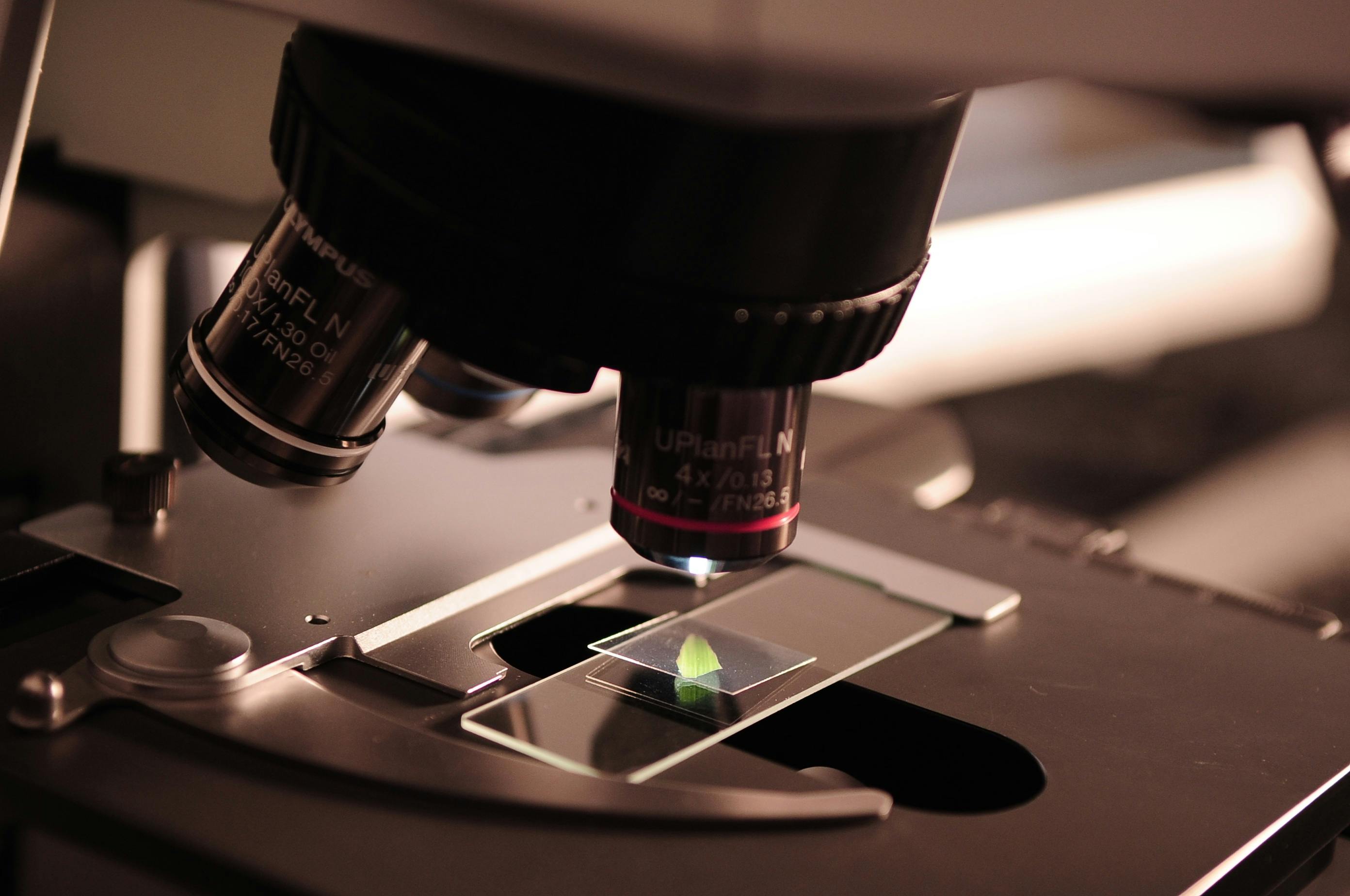
Laboratory research in synthetic biology
Solvent Matters: Where Silicon Could Shine
Water: Silicon's Nemesis
Liquid water rapidly converts soluble silicic acid into silica gels—fatal for silicon-based metabolism 1 .
Sulfuric Acid: An Unexpected Haven
Recent studies reveal sulfuric acid (e.g., Venusian clouds) uniquely supports complex organosilicon networks:
- Dissolves silica without precipitation
- Enables silicate polymerization at 300–400°C 1
| Solvent | Temperature Range | Silicon Solubility | Reactivity |
|---|---|---|---|
| Water | 0–100°C | Low (forms silica) | Hydrolyzes Si-O bonds |
| Ammonia | -78–-33°C | Moderate | Slow reaction kinetics |
| Sulfuric acid | 10–337°C | High | Supports diverse Si polymers |
Artist's impression of Venus' sulfuric acid clouds
Future Frontiers: Silicon Life in the Wild
Autocatalysis: A New Hope
A 2024 study found 270+ autocatalytic cycles (self-replicating reactions) involving non-carbon elements like silicon, xenon, and thorium 6 . These cycles could jumpstart alien biochemistries without carbon.
Synthetic Biology's Next Leap
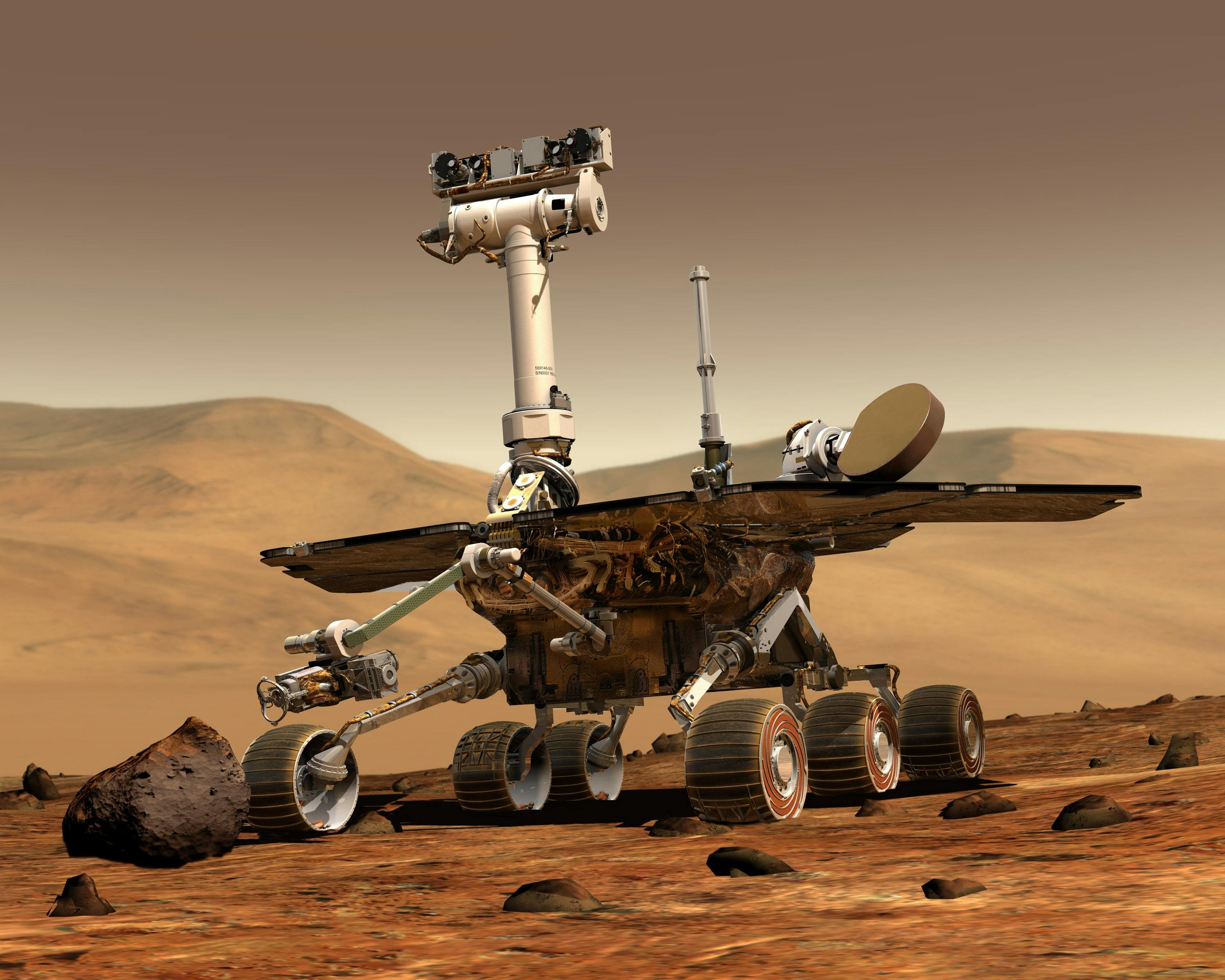
Plant scientists propose "virus-like particles" incorporating silicon to terraform Mars:
- Utilize abundant Martian silicon
- Withstand radiation via UV-resistant silicones 8
"Silicon is the next frontier"
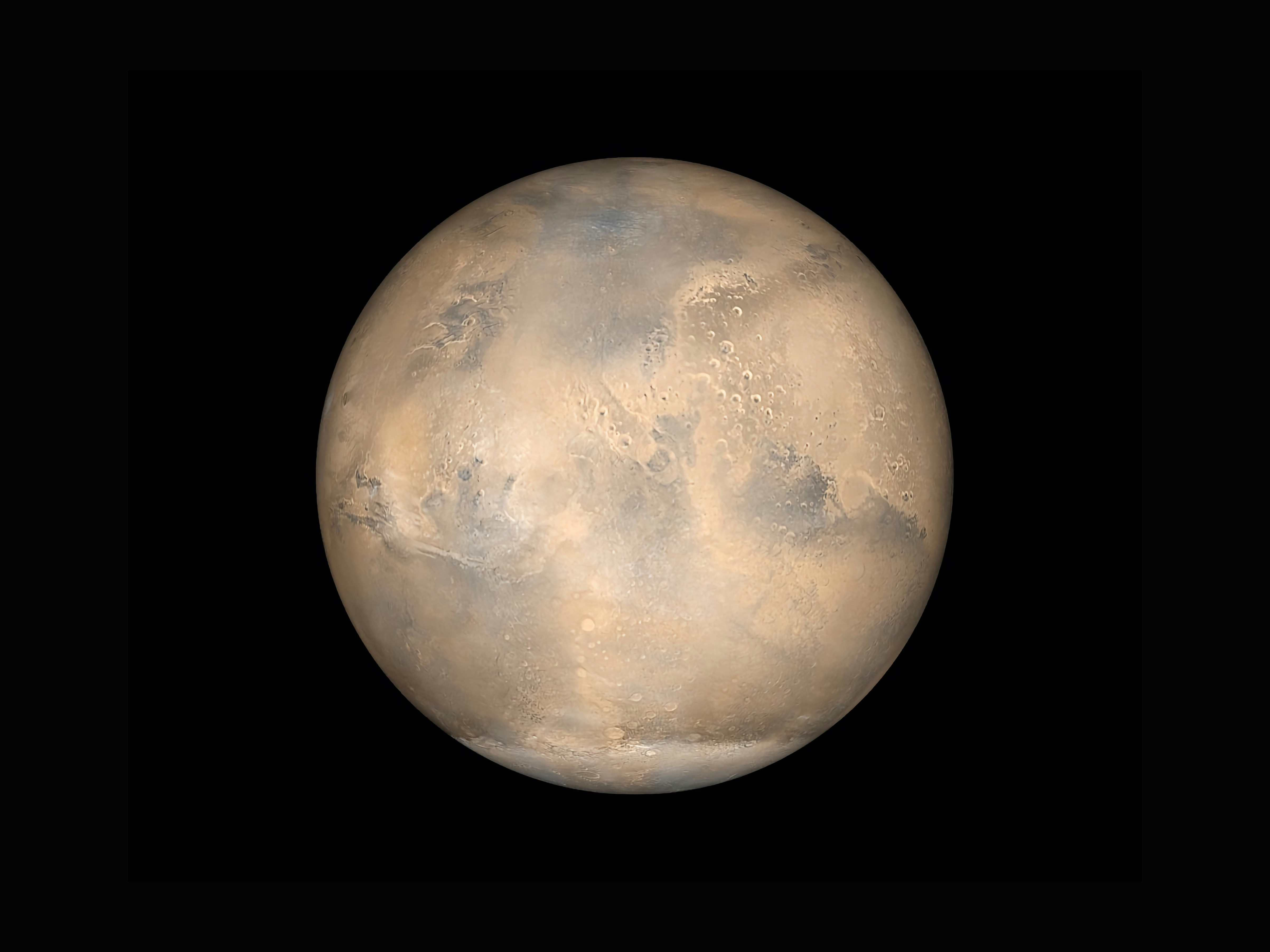
Mars' silicon-rich surface could host alternative biochemistries
Conclusion: A Universe of Possibilities
Silicon-based life remains speculative—constrained by chemistry yet inspired by quantum calculations and engineered enzymes. The discovery of autocatalytic cycles and exotic solvents suggests nature's imagination exceeds ours. While water-bound, carbon-based life may dominate Earth, the clouds of Venus or the methane seas of Titan could harbor chemistries stranger than fiction. As we redesign life in labs and model it in computers, one truth emerges: life's elemental palette may be richer than we dreamed.
Key Takeaways
- Silicon shares carbon's 4-bond capacity but faces biological challenges
- Computational models show sila-molecules can form in exotic environments
- Engineered enzymes now create silicon-carbon bonds biologically
- Sulfuric acid may support silicon biochemistry where water fails
- Autocatalytic cycles suggest possible pathways for alternative life