Research Articles
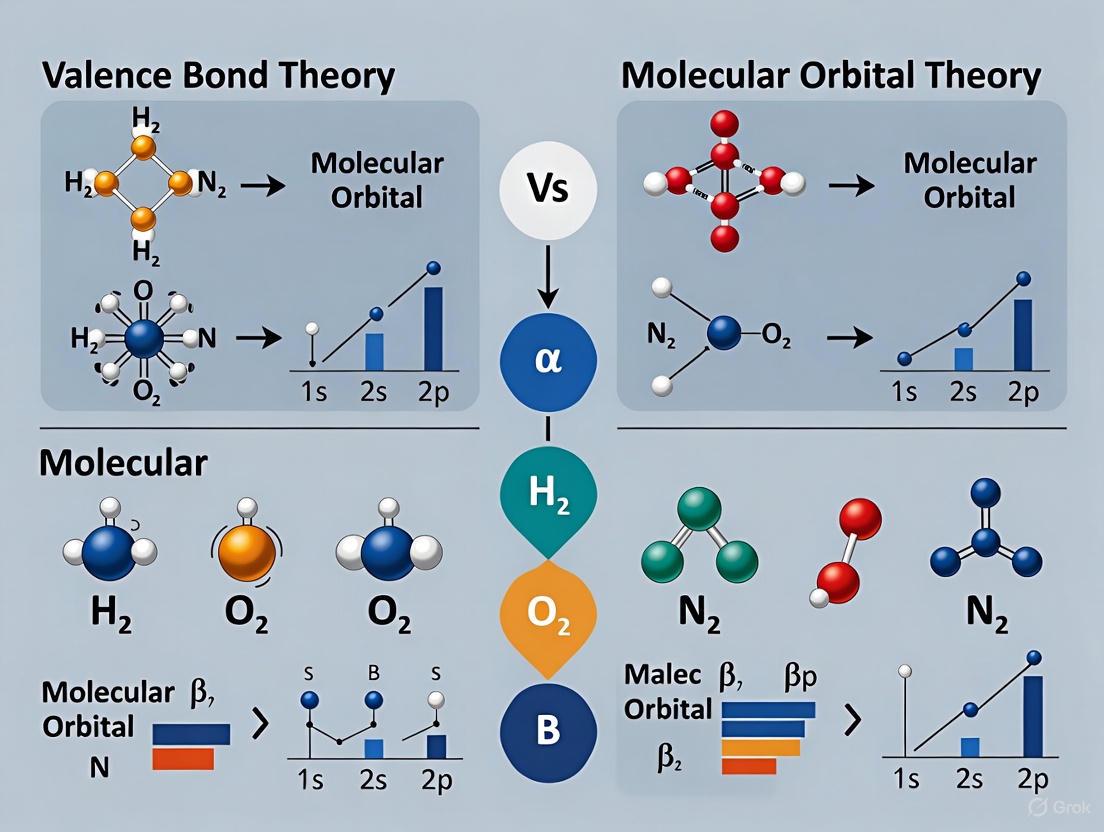
Valence Bond Theory vs Molecular Orbital Theory: A Comprehensive Guide for Biomedical Researchers
This article provides a detailed comparative analysis of Valence Bond (VB) and Molecular Orbital (MO) theories, tailored for researchers and professionals in drug development and biomedical science.
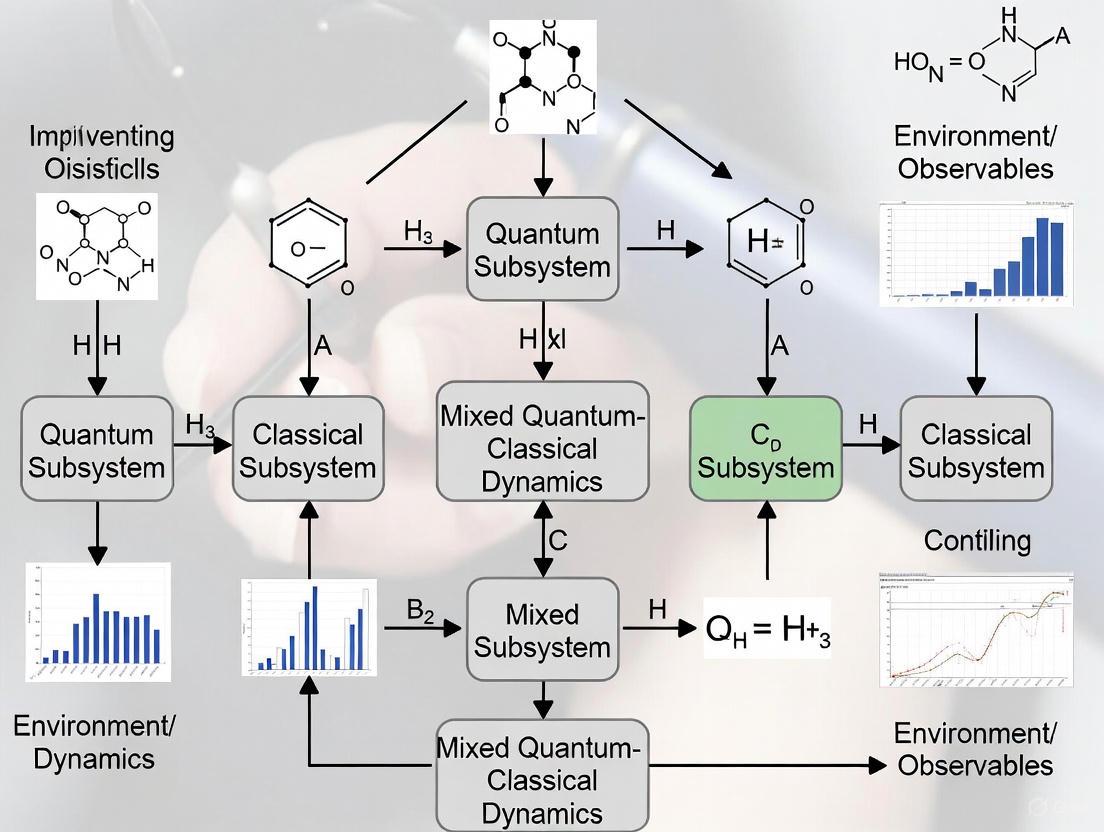
Overcoming the Challenges of Mixed Quantum-Classical Dynamics: From Theory to Drug Discovery Applications
Mixed quantum-classical (MQC) dynamics simulations are indispensable for modeling complex processes in photochemistry and drug discovery, yet their implementation faces significant theoretical and computational hurdles.
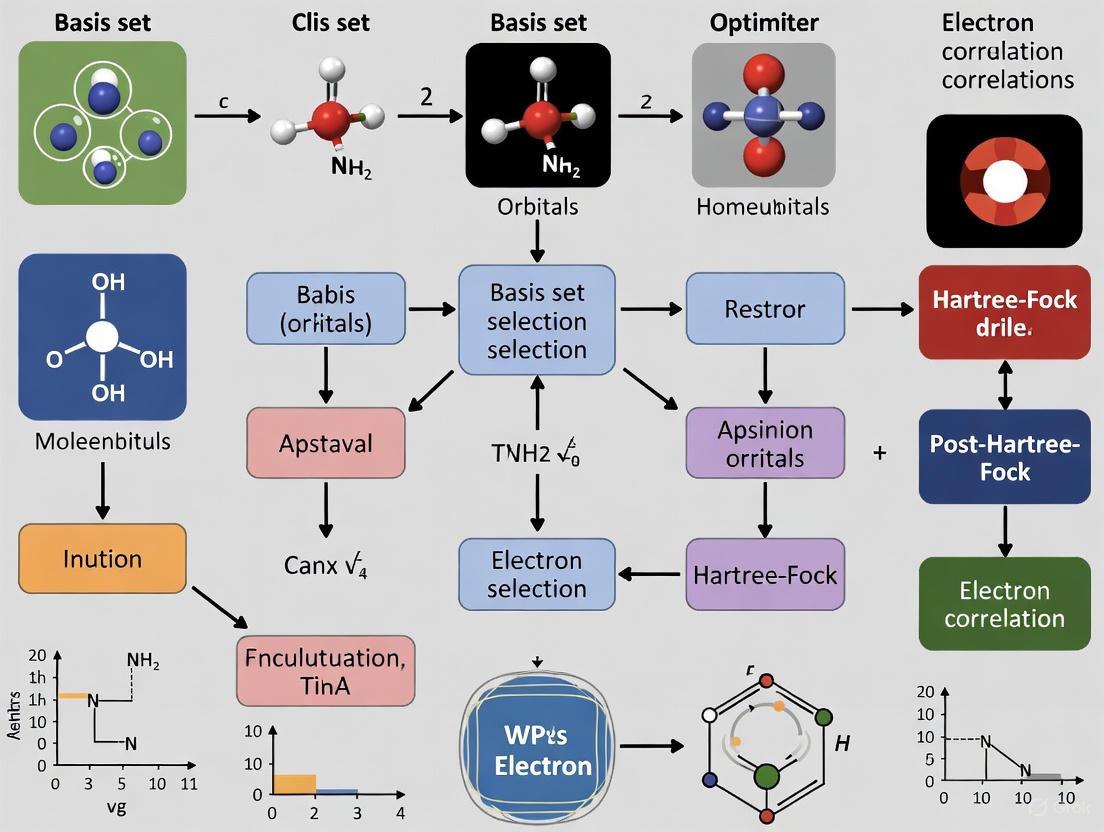
Basis Set Optimization for Accurate Electron Correlation Calculations: Strategies for Biomolecular Applications
Achieving chemical accuracy in electron correlation calculations requires careful selection and optimization of basis sets to balance computational cost and predictive power.
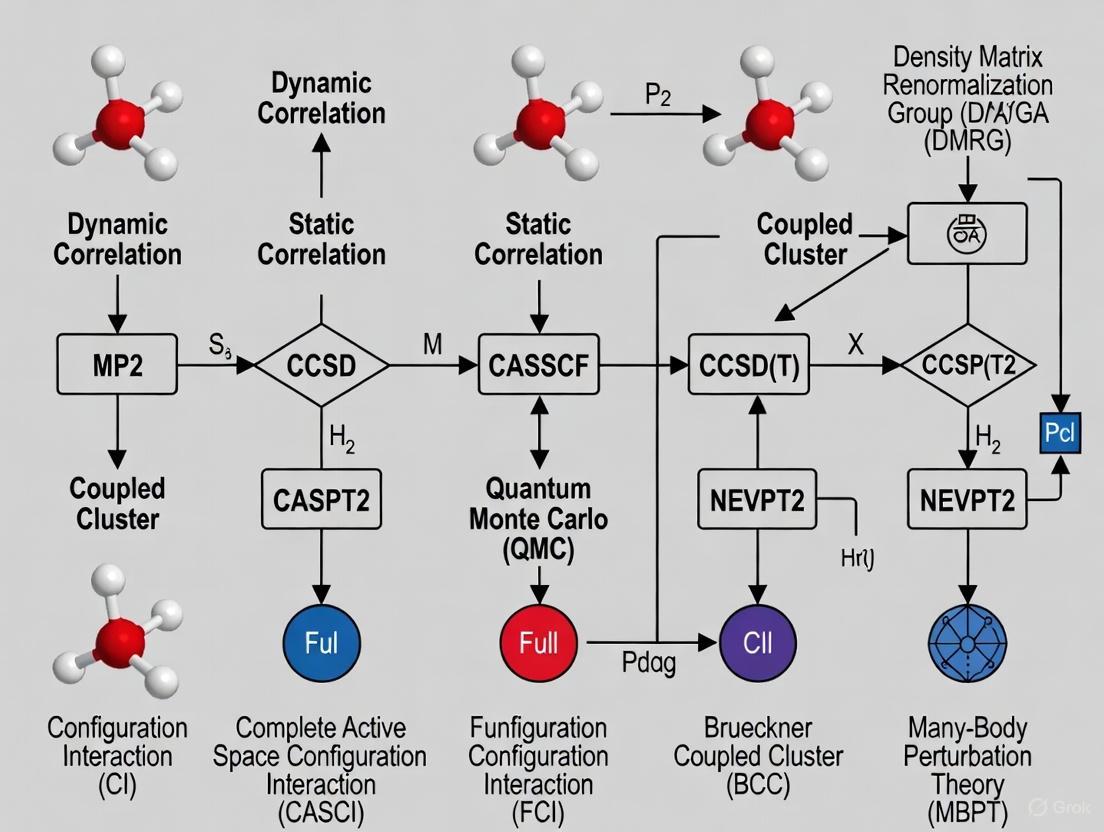
Static vs Dynamic Models in Drug Development: A Comprehensive Guide to Correlation Methods and Applications
This article provides a comprehensive analysis of static and dynamic correlation methods essential for modern drug development.
Quantum Reservoir Computing: Optimizing Molecular Registers for Drug Discovery
This article explores Quantum Reservoir Computing (QRC) as a transformative approach for molecular property prediction, particularly in data-scarce drug discovery scenarios.
Vibronic Coupling Calculations: A Comprehensive Guide to Methods, Applications, and Best Practices
This article provides a thorough technical exploration of vibronic coupling calculations, which describe the critical interaction between electronic and nuclear vibrational motions beyond the Born-Oppenheimer approximation.
Overcoming Large Molecule Computational Limits: A Guide to Scaling, Methods, and Validation for Drug Discovery
This article provides a comprehensive overview of the computational challenges and scaling considerations in large molecule modeling for researchers and drug development professionals.
Accelerating Discovery: Strategies to Optimize Quantum Chemical Calculations and Reduce Computational Time
This article provides researchers, scientists, and drug development professionals with a comprehensive guide to the latest strategies for reducing the computational time of quantum chemical calculations.
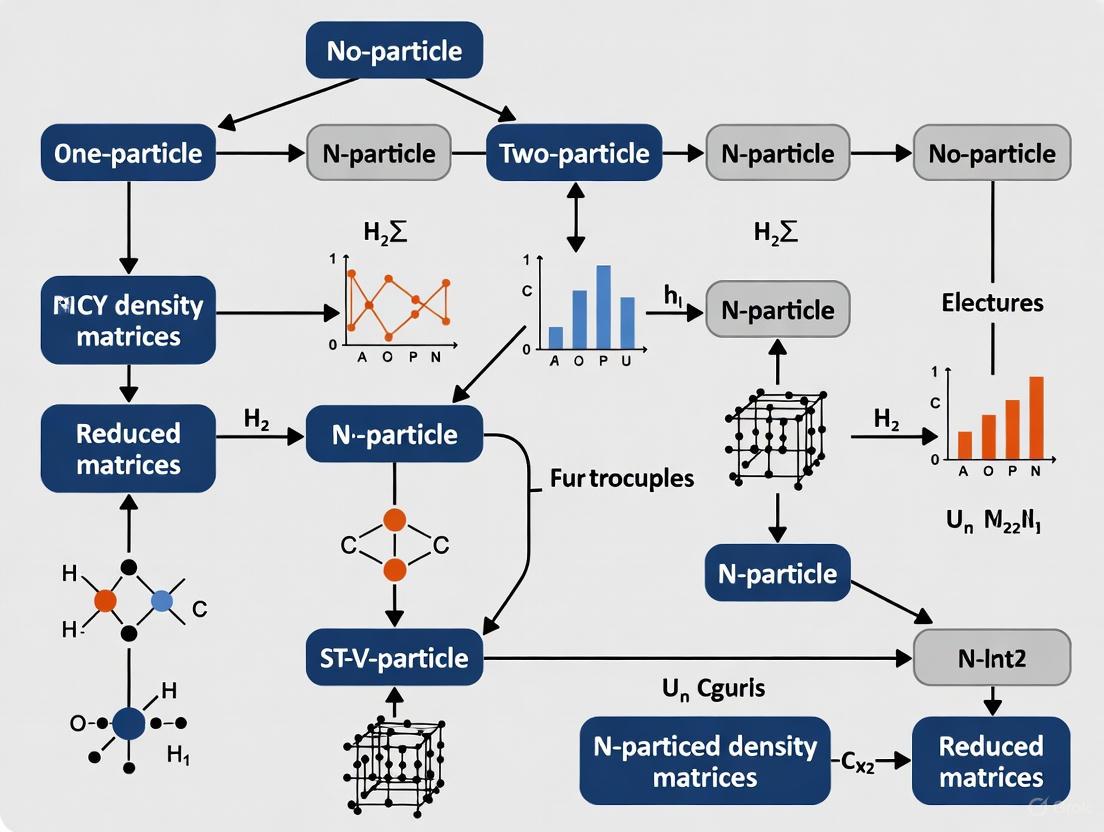
The N-Representability Problem in Reduced Density Matrices: Foundations, Methods, and Applications in Drug Discovery
This article provides a comprehensive overview of the N-representability problem, a central challenge in quantum chemistry and electronic structure theory that ensures reduced density matrices (RDMs) derive from valid physical...
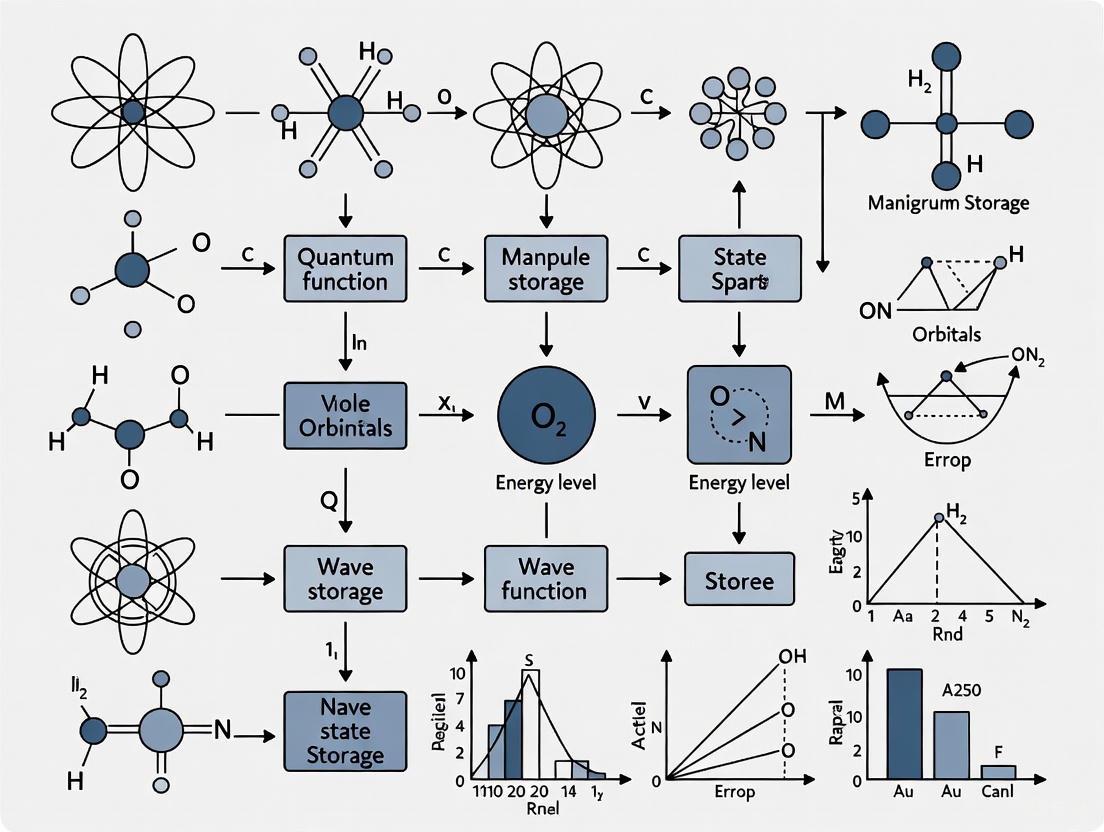
Overcoming Technical Challenges in Quantum Wave Function Manipulation for Next-Generation Computing
This article provides a comprehensive analysis of the technical challenges and advanced methodologies in quantum wave function manipulation, a cornerstone of quantum computing.