Research Articles

The Wonder World of Carbon Nanomaterials: Unveiling the Invisible
Explore the fascinating world of carbon nanomaterials - from graphene to nanotubes - and discover how their unique properties are revolutionizing technology.
Illuminating the Future: The Molecular Architects Behind Brighter, Cheaper Screens
Explore how DFT and TD-DFT computational methods are revolutionizing OLED design with thiophene and 1,3,4-oxadiazole ligands for next-generation displays.
Nature's Solar Panels Get an Upgrade: The Quantum Dot Revolution
Exploring how fluorescent quantum dots act as artificial antennas to enhance photosynthesis by improving light harvesting and energy transfer to reaction centers.
Chilling the Unchillable: The Quest for Ultracold Organic Molecules
Explore the groundbreaking research in ultracold organic chemistry, where scientists are cooling large organic molecules to near absolute zero to unlock quantum secrets.
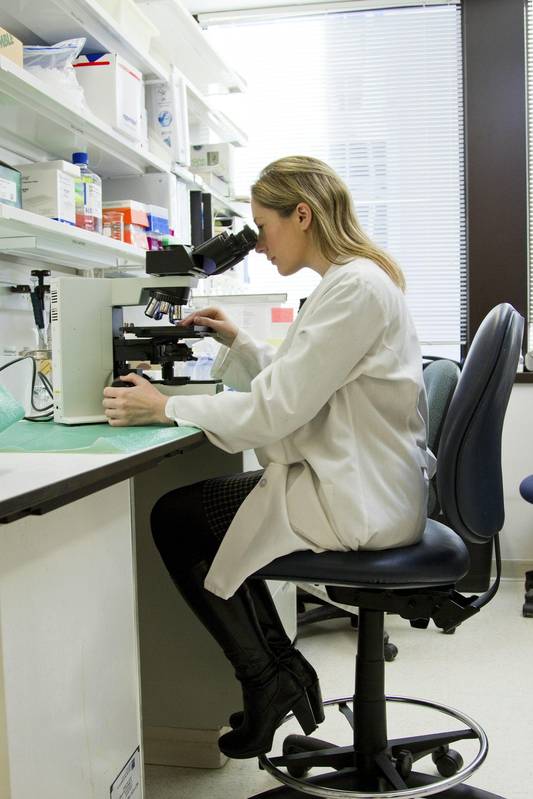
The Invisible Threat: How a 2008 Discovery Rewired Our View of Toxins
Discover how the 2008 EHP Papers of the Year revealed how low-dose chemical exposure during development can reprogram biology and increase disease risk.
The Quantum Tug-of-War: Where Hydrogen Bonding Ends and a Chemical Bond Begins
Explore the fascinating transition where hydrogen bonds transform into covalent chemical bonds under extreme pressure and conditions.
Quantum Meets Biology: A New Hope in the Fight Against Hidden Pollutants
Exploring how quantum-classical computing synergy with cytochrome P450 enzymes can revolutionize emerging contaminants management
The Double-Edged Sword: How Nanomaterials Both Threaten and Treat Our Lungs
Exploring the dual nature of nanomaterials in respiratory health - their toxicity mechanisms and therapeutic applications in lung disease treatment.

Harnessing Sunlight's Full Spectrum: How Next-Gen Sulfide Nanoparticles Are Revolutionizing Clean Water and Energy
Discover how intermediate band sulfide nanoparticles are transforming photocatalysis by utilizing the full visible light spectrum for environmental cleanup and sustainable energy.

The Ultimate Quantum Tango: Forcing Atoms to Shake Hands in the Deep Freeze
Explore the fascinating world of state-to-state chemistry in ultracold three-body recombination, where atoms form molecules in quantum precision.