Research Articles
Quantum Theory in Chemical Research: Principles and Applications for Drug Discovery
This article provides researchers, scientists, and drug development professionals with a comprehensive guide to the fundamental principles of quantum theory and their practical applications in chemical research.
Planck's Law and Blackbody Radiation: From Quantum Foundations to Biomedical Applications
This article provides a comprehensive exploration of Planck's Law, the fundamental principle governing blackbody radiation.
Energy Quantization in Chemical Systems: From Quantum Foundations to Revolutionary Drug Design
This article provides a comprehensive exploration of energy quantization, a fundamental quantum mechanical principle, and its critical applications in modern computational chemistry and drug discovery.
Planck's Constant in Modern Chemistry: From Quantum Theory to Drug Discovery Applications
This article explores the critical role of Planck's constant (h) and the reduced Planck constant (ħ) in computational chemistry and pharmaceutical research.
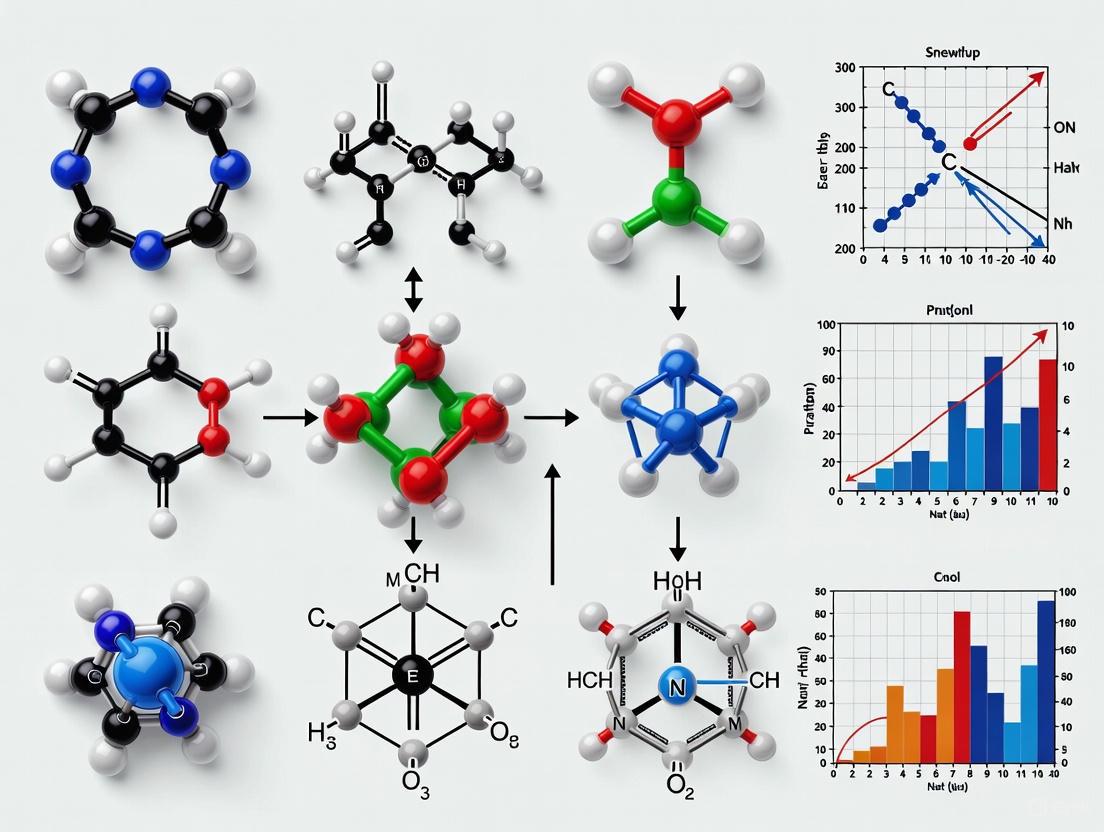
Max Planck's Quantum Revolution: How a Blackbody Problem Redefined Physics and Influenced Modern Science
This article provides a comprehensive exploration of Max Planck's seminal 1900 discovery of quantum theory, tracing its path from a solution to the blackbody radiation problem to a foundational pillar...
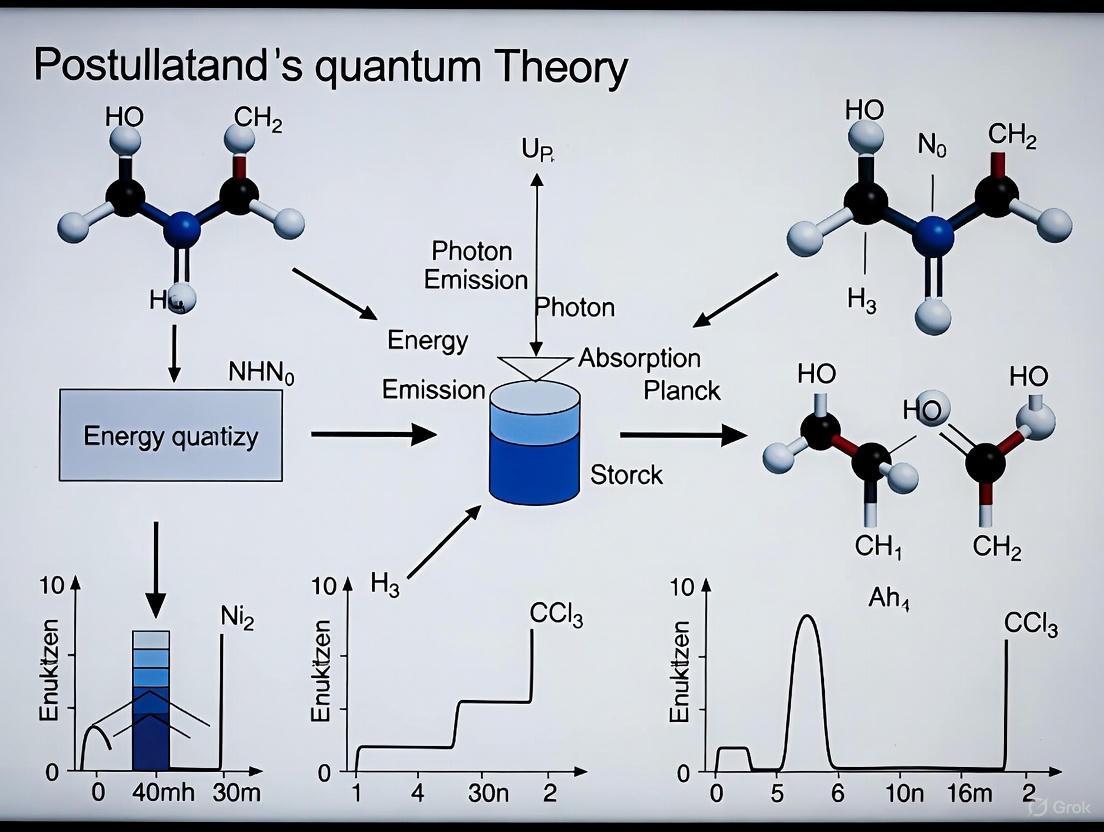
Planck's Quantum Theory: Postulates, Chemical Applications, and Modern Drug Discovery
This article provides a comprehensive exploration of Planck's quantum theory, detailing its foundational postulates and their critical evolution from explaining blackbody radiation to becoming a cornerstone of modern computational chemistry.
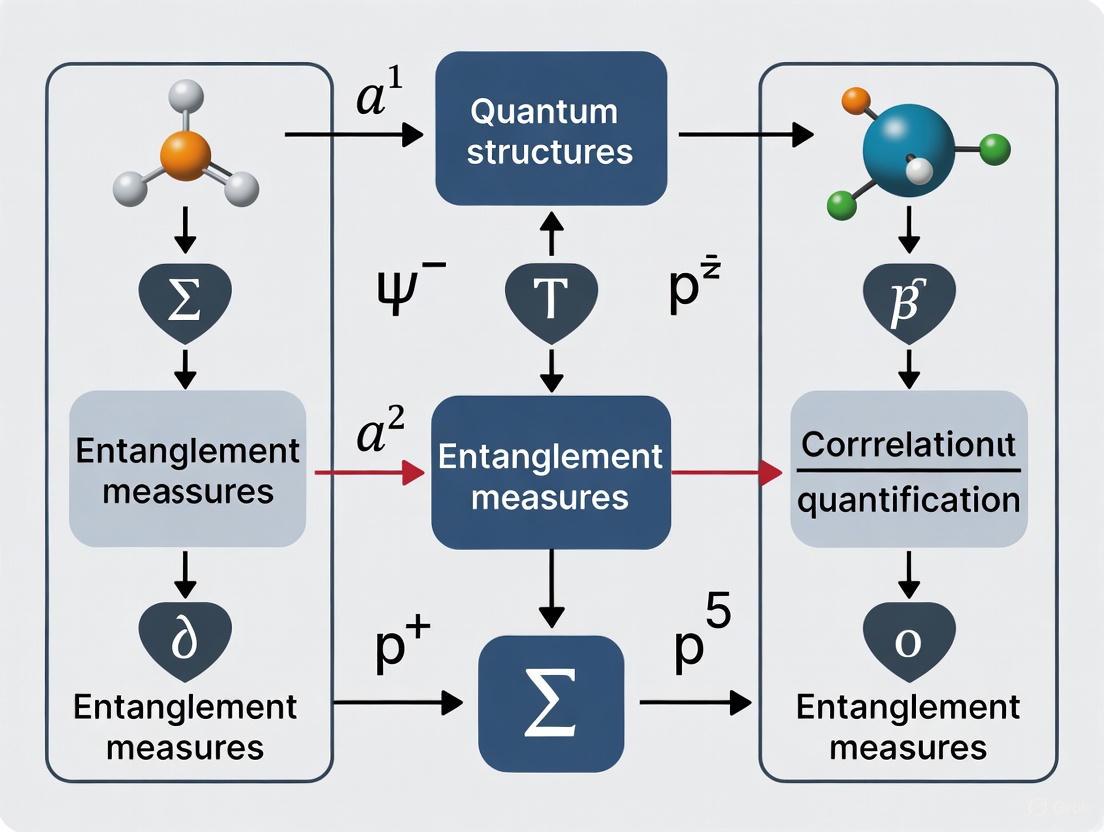
Quantifying Quantum Entanglement in Molecules: From Fundamental Measures to Drug Discovery Applications
This article provides a comprehensive overview of the theory, measurement, and application of quantum entanglement and correlation quantification in molecular systems.
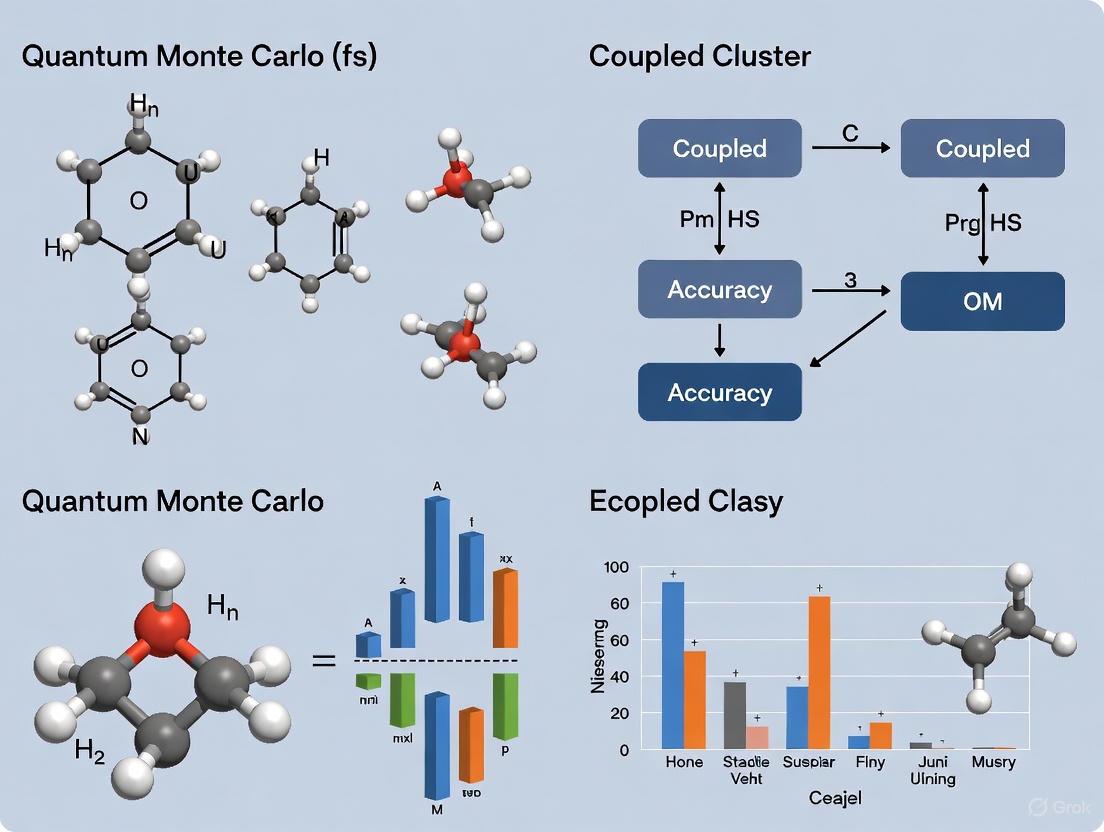
Benchmarking Quantum Accuracy: How Quantum Monte Carlo and Coupled Cluster Theory Are Revolutionizing Drug Design
Accurate prediction of molecular interactions is paramount in drug design, where errors of just 1 kcal/mol can lead to erroneous conclusions about a compound's efficacy.
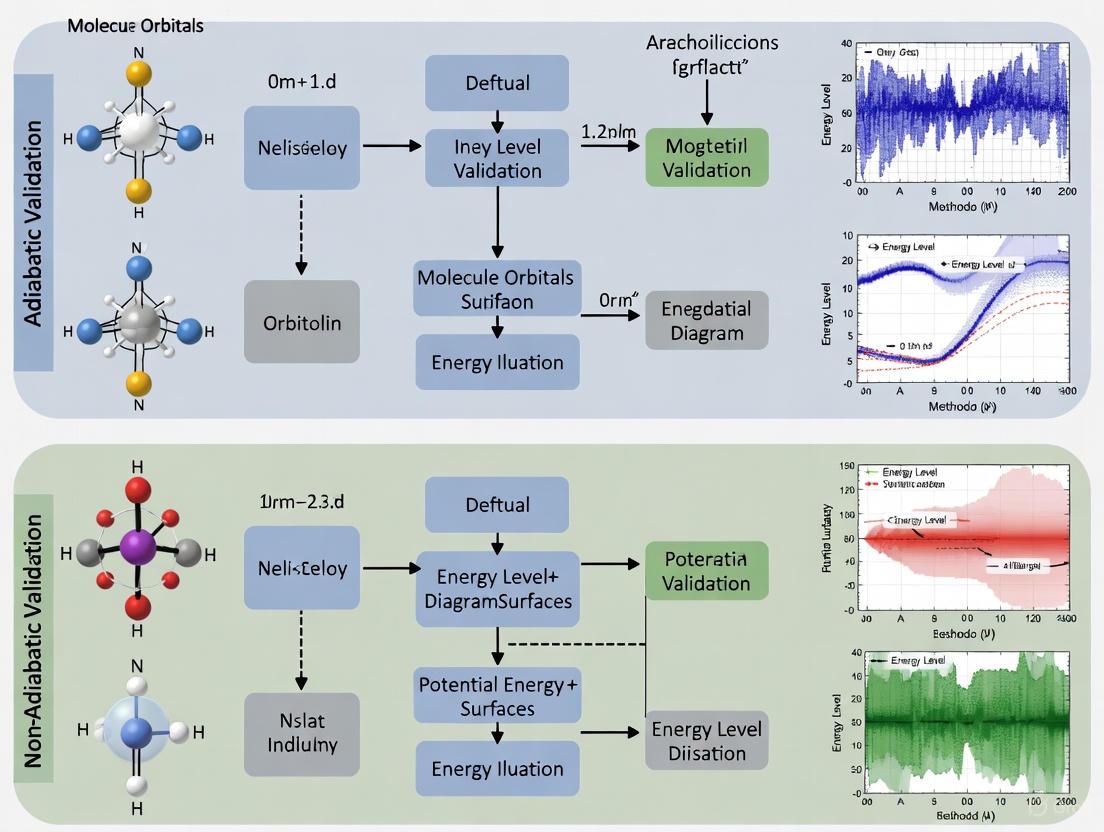
Validating Adiabatic and Non-Adiabatic Methods: A Comprehensive Guide for Biomedical Researchers
This article provides a comprehensive framework for the validation of adiabatic and non-adiabatic computational methods, crucial for accurate drug discovery and development.
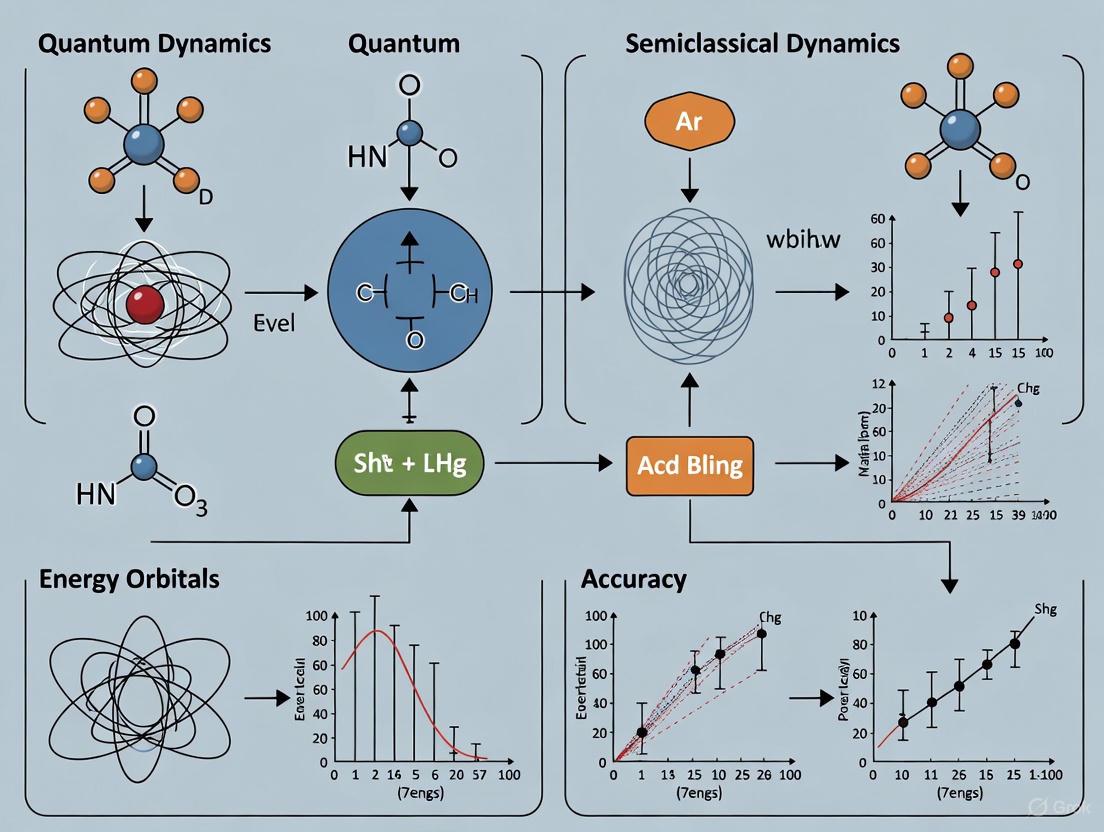
Quantum vs. Semiclassical Dynamics: A 2025 Guide to Accuracy and Applications in Drug Discovery
This article provides a comprehensive analysis of the accuracy and applicability of quantum and semiclassical dynamics for researchers and drug development professionals.